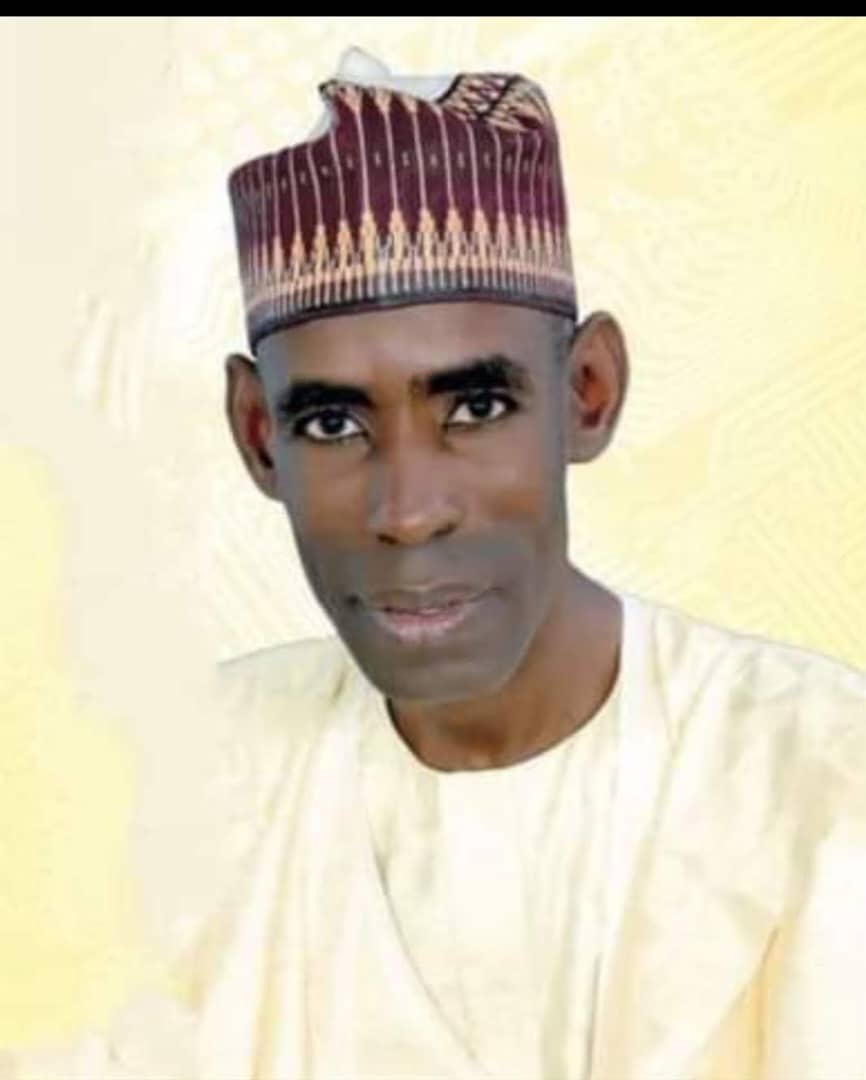
2027 won’t be a coronation, by Engr. Bello Gwarzo Abdullahi, FNSE
For those conversant with the nature of politics in our clime, defections and high-level political deals are hardly unusual. That they have become routine does not make them right. What is different—and far more troubling—about the present moment is that these intrigues are not organic political movements, but largely manufactured maneuvers by the ruling party, carefully designed to weaken opposition structures, confuse voters, and perpetuate itself in power.
The dominant headlines—elite defections and high-wire negotiations—cannot conceal the bottled-up anger on the streets. Insecurity has become pervasive, even intractable, while rising prices and relentless economic pressure grind daily life to a halt. Under such conditions, history is unequivocal: when those in power delude themselves with a sense of invincibility and speak with excessive confidence, defeat is often not far behind.
What is unfolding in Nigeria’s political space today is an early warning signal ahead of 2027. Anyone who assumes the next general election will be a smooth ride for the ruling party is ignoring both historical precedent and the prevailing national mood. Nigerian politics has never been kind to complacency, and incumbency—no matter how aggressively deployed—has never guaranteed survival. Across all segments of society, the pain is real, and political consequences are quietly incubating.
READ ALSO: The Kano Gambit: A perilous shortcut, by Engr. Bello Gwarzo Abdullahi, FNSE
We have been here before. The PDP once spoke openly of ruling Nigeria for 60 years. That arrogance collapsed spectacularly when public frustration converged with poor judgment and an opposition that, however imperfect, capitalised on the moment. That lesson has not lost its relevance. If anything, it is even more instructive now—especially for a ruling party that appears determined to repeat the same mistakes under a different banner.
Today, a widening disconnect exists between political elites and ordinary citizens. While politicians trade allegiances, orchestrate defections, and calculate personal advantage—often at the prompting or inducement of the ruling party—most Nigerians are preoccupied with food prices, personal safety, and the search for dignified livelihoods. This deliberate diversion of political energy from governance to survival politics is dangerous for any administration seeking re-election.
In Kano, for instance, tensions surrounding the rumoured defection of Governor Abba Kabir Yusuf to the APC, and the strain it places on his relationship with Rabiu Musa Kwankwaso, underscore how fragile political loyalty has become under sustained pressure from the centre. This is not merely a question of loyalty; it speaks to a ruling party strategy that prioritises destabilising opposition strongholds over addressing the lived realities of citizens. Kano is not just another state—it is Nigeria’s largest vote bank. Any visible crack within the Kwankwasiyya movement, especially one induced by external manipulation, deepens public cynicism and reinforces the perception that ideology has been sacrificed on the altar of political survival. Given the prevailing national mood—particularly in the North-West—it would be disingenuous to pretend that such maneuvers come without serious electoral cost.
READ ALSO: Kano is the experiment, Nigeria is the target, by Engr. Bello Gwarzo Abdullahi, FNSE
Rivers State tells a different, but equally instructive story. The protracted conflict between Governor Siminalayi Fubara and Nyesom Wike has long since outgrown a local power struggle. It is tragicomic and deeply revealing. In its desperation to use Wike as a tool to fracture and neutralise the opposition, the ruling party has trapped itself in a classic catch-22—creating a political monster whose appetite now threatens the very system that empowered him. What was intended as a strategy of control has degenerated into a moral and political quagmire.
Wike has become a thorn not just in the flesh of the opposition, but of the ruling party itself. The chickens have come home to roost. Rivers, long a strategically significant state, demonstrates that influence brokered from Abuja does not automatically translate into legitimacy or acceptance on the ground. In many respects, the system is now confronting the consequences of its own excesses and miscalculations.
Taken together, Kano and Rivers send a clear message ahead of 2027: elite engineering does not guarantee electoral success. Deals struck at the top—especially those driven by coercion, inducement, or political blackmail—do not always cascade down to voters, particularly when citizens feel poorer, more insecure, and increasingly ignored. Nigerians may tolerate political drama, but they rarely forgive arrogance, manipulation, or sustained failure.
READ ALSO: Reconciliation beats division, by Engr. Bello Gwarzo Abdullahi, FNSE
The APC’s current predicament—worsening insecurity, economic uncertainty, policy incoherence, and an increasingly heavy-handed approach to dissent—mirrors the very conditions that preceded the PDP’s fall from power. The opposition does not need to be flawless; it needs to be organised, disciplined, and focused relentlessly on the everyday realities of Nigerians.
Ultimately, 2027 will not be decided by defections, godfathers, or manufactured crises. It will be decided by whether political actors correctly read the national mood. History is clear: when leaders attempt to rig the political chessboard instead of fixing the country, voters eventually respond—and often decisively.
Written by Engr. Bello Gwarzo Abdullahi, FNSE.
Email: bgabdullahi@gmail.com
Follow the Neptune Prime channel on WhatsApp:
Do you have breaking news, interview request, opinion, suggestion, or want your event covered? Email us at neptuneprime2233@gmail.com