
Beyond the Subsidy Shock: Can Nigeria copy Africa’s best playbooks before time runs out?, by Abubakar M. Kareto
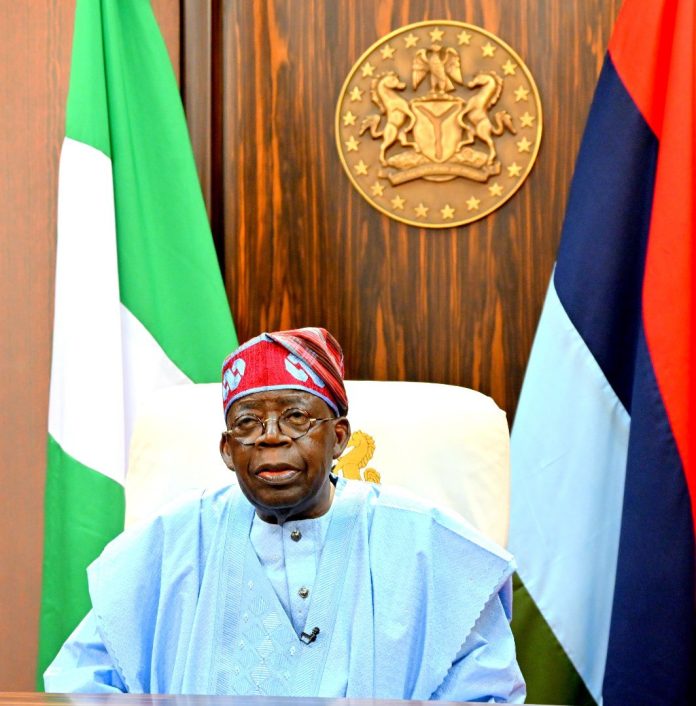
3.5 years after President Bola Tinubu announced the end of the fuel subsidy, Nigeria is at a critical turning point. The tough choices made in 2023, which removed expensive fuel subsidies and allowed the naira to float, pushed the country into hard times. Today, key numbers show that the worst of the economic pain is starting to ease. Inflation has dropped from its peak of 34% down to around 15%, foreign reserves have climbed back to $55 billion, and economic growth has stayed above 4%. International lenders praise these changes, credit rating agencies have raised their outlook, and local fuel refining has cut the cost of buying fuel from abroad.
Yet steady numbers alone do not mean everyday comfort for ordinary people. A healthy central bank account does not feed a family in Kano, and a stable currency does not help a farmer in Benue deal with high transport costs and spoiled food. With over 104 million citizens—amounting to 47% of the population—living below the national poverty line, Nigeria faces an old problem: the country often fixes its top-level government finances without improving daily life for its people. The big question is whether these hard-won gains will bring real jobs and cheaper living, or if Nigeria will simply repeat its past habit of short-term relief followed by no real progress.
Nigeria’s main issue has never been an inability to collect money; it is that the economy depends too much on oil. Crude oil provides most of the government revenue and foreign cash, but it employs less than 1% of workers. When money only enters at the top of the system, it rarely reaches regular citizens. Recent gains, such as steady trade surpluses and non-oil exports rising past $6.1 billion, show clear progress. Even so, non-oil goods still make up less than 20% of all exports, while imported factory goods take up almost 49% of the import bill.
Selling raw farm products like cocoa and raw oil cannot create enough jobs for millions of people.
Other African countries show that cutting spending only works when paired with clear plans to build local industries. 20 years ago, Morocco looked beyond basic farming by building the Tanger Med port and setting up car factories, turning car manufacturing into its number 1 export. Rwanda moved beyond simple farming into high-value crops and business tourism by cutting red tape and making sure government projects were finished on time. Kenya built mobile money systems that gave credit and lower business costs to millions of small traders. These countries understood that cutting budgets only cleans up the mess; it does not build a future on its own.
READ ALSO: Nigeria’s offshore presidency and Pretoria’s quiet lesson for Abuja, by Abubakar M. Kareto
To turn this balance into real wealth, the government must now focus on practical steps that help businesses grow. A 42% drop in refined fuel imports has saved valuable foreign currency, but having local fuel is not enough. No small business can survive when running fuel generators takes up to 40% of its daily costs. Money saved from ending fuel subsidies must go directly into setting up steady power grids, gas lines for factories, and trains to carry farm food cheaply to major city markets.
At the same time, Nigeria must help businesses build real factories and fix how food gets to market. Foreign investors who only look for quick financial profits can take their money out overnight, while real factories stay in place. Manufacturing makes up only 8% of the economy because business owners face bank interest rates above 30% and long delays at the ports. In addition, farming employs over 35% of Nigerian workers and drives most of the high cost of food. Keeping food prices down requires simple cold storage, better country roads, and safer farming areas to stop food waste, which is the fastest way to help families keep more of their money.
READ ALSO: Mortgaging Tomorrow: Inside Nigeria’s ₦166.79 trillion balance sheet dilemma, by Abubakar M. Kareto
The people of Nigeria have carried a heavy load to reach this point, dealing with high fuel prices, a weaker currency, and lost savings. The nation’s finances are in a much better place today than they were in 2023: public waste has been cut, foreign cash buffers are back, and paying for cheap fuel imports has stopped. These results bring real hope, but there is 0 room to relax. A small door of opportunity has opened. If leaders use this relief to fund government waste and politics, the door will close. If they use it to lower business costs, support local factories, and create good jobs, Nigeria will finally turn financial balance into real prosperity for all. That door is open, but it will not stay open forever.
Abubakar M. Kareto is a Public Affairs Analyst and Communications Strategist focusing on governance, policies, economy, and institutional reforms across Nigeria and Africa. He can be reached on X @amkareto and via email at amkareto@gmail.com.
Follow the Neptune Prime channel on WhatsApp:
Do you have breaking news, interview request, opinion, suggestion, or want your event covered? Email us at neptuneprime2233@gmail.com