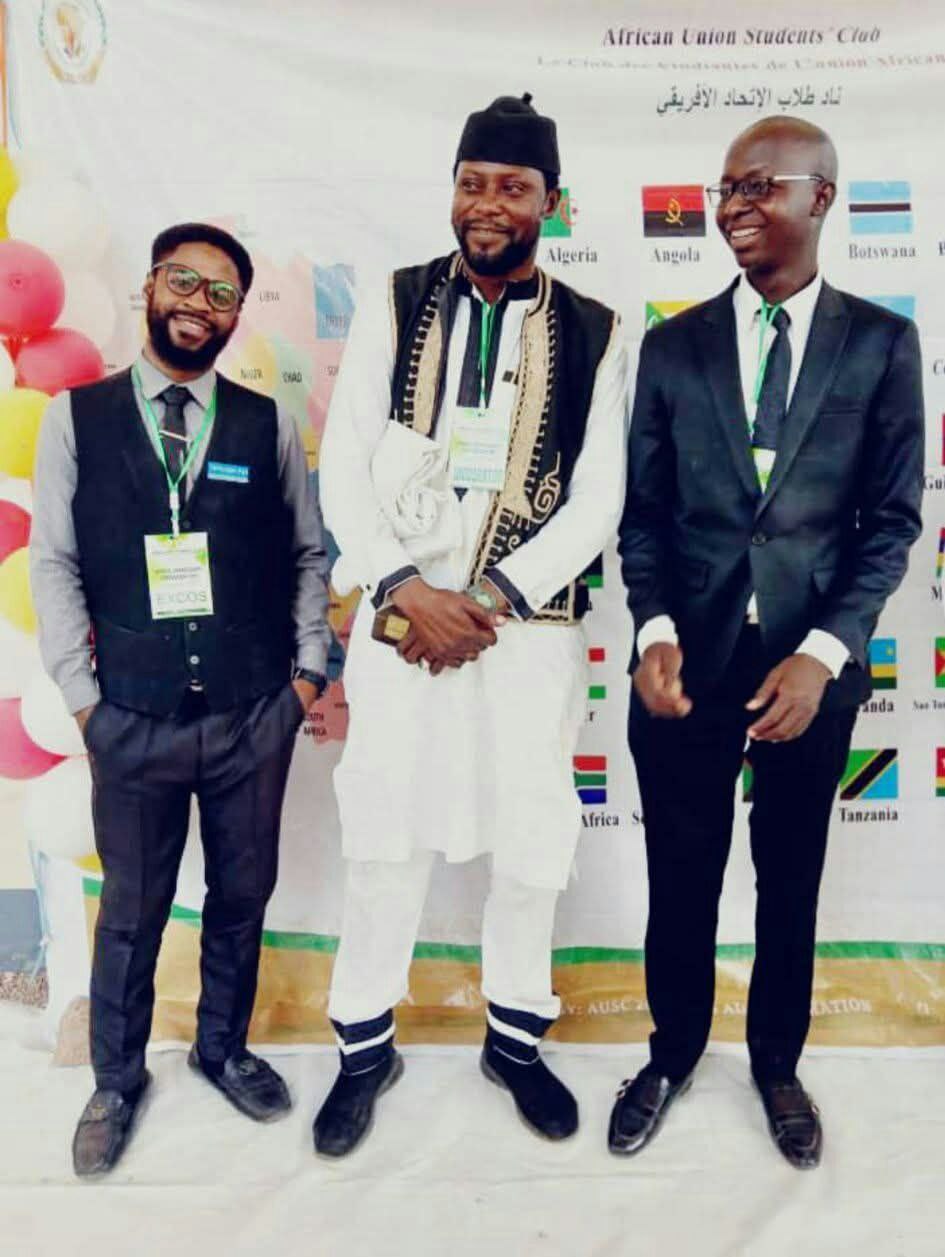
Can Nigeria and Africa move from crisis to renewal? charting a path for generations to come
By Ahmad Shuaibu Isa
Nigeria and Africa find themselves at a decisive moment in history, where the decisions we make today will shape the destiny of countless generations. Recent events, including the suppression of minority groups, the imposition of emergency rule in Rivers State, coup rumours, foreign airstrikes on national territory, and waves of political defections, have exposed a system of government that, while formally intact, is profoundly fragile at its core.
The concentration of power within a narrow elite, the erosion of institutional integrity, and the systemic neglect of youth potential have produced a society in which the promise of progress is perpetually overshadowed by decay. If these failures continue unchecked, they will not only compromise governance but also corrode the future of our people. Dear reader, do you agree with me?
The current political elite have consistently failed to uphold the principles of stewardship and justice. For decades, corruption, self-interest, and opportunism have dominated the corridors of power, leaving institutions hollow and citizens disillusioned. Youths, who embody creativity, innovation, and moral courage, have largely been marginalised. With their aspirations deferred and energies untapped, many are relegated to the sidelines of political thuggery or adopt attitudes shaped by societal decay.
This structural neglect threatens not only Nigeria’s future but also the potential of the entire continent. It is evident that this moment demands awakening, reflection, and deliberate action to reclaim moral purpose in leadership. Leadership must be recognised as a sacred trust, guided by ethical responsibility rather than personal ambition. As Imam Ali articulated, rulers are accountable not only to their constituents but also to a higher moral authority.
This principle resonates with the African Ubuntu philosophy, which teaches that individual success is inseparable from collective well-being, as well as with Christian principles of stewardship emphasising service over dominion. The lives of leaders such as Mahatma Gandhi, Thomas Sankara, Patrice Lumumba, Nelson Mandela, Che Guevara, and Imam Khomeini exemplify leadership characterised by moral courage, sacrifice, and transformative vision. They demonstrate that authority devoid of ethics leads to social decay, whereas principled governance nurtures unity, trust, and sustainable progress.
A resilient system of government requires institutions that are independent, transparent, and grounded in structural justice. Democratic Peace Theory suggests that strengthening Nigeria’s governance and accountability practices will not only stabilise the nation but also foster an environment conducive to development. Yet the question remains: what would an authentically African system of government look like, and do the democracies of Europe or the United States truly reflect Africa’s interests and those of its people?
Similarly, Dependency Theory highlights the historical exploitation shaping Nigeria’s current socio-economic challenges, underscoring the urgency of reforming international relationships to prioritise local interests over neo-colonial dynamics. From a sociological perspective, Social Capital Theory emphasises the importance of networks and trust within communities, which are essential for collective action. Applied effectively, this framework can mobilise the youth as active participants rather than passive victims of circumstance.
Incorporating Feminist Theory into governance discussions illuminates the critical role of women in leadership. Increased female representation ensures that governance reflects diverse perspectives, advancing societal progress in ways that honour African cultural values rather than importing Eurocentric models that often conflict with local traditions.
Ahmad Shuaibu Isah
ahmadeesir214@gmail.com
In international relations, Constructivism demonstrates that the identities and social constructs of nations shape global interactions. Nigeria’s potential to lead in promoting African unity can be realised by cultivating a distinctive identity that fosters regional cooperation. A Realist perspective recognises that Nigeria must navigate foreign relations pragmatically, balancing national interests with ethical principles.
Economically, balancing insights from Neoliberalism and Structuralism is essential. Policies must harness market opportunities while addressing entrenched structural inequalities. Amartya Sen’s Capability Approach frames development as the expansion of individual capabilities and freedoms, emphasising that empowering youth through education and innovation produces a generation capable of both personal and societal advancement.
The vision for the future must be deliberate and transformative. The African Moral Republic proposes a system of government founded on leadership that is accountable, modest, and devoted to service; institutions that are resilient, transparent, and protective of reformers; inclusive decision-making structures reflecting society’s diversity; economic policies promoting equity and opportunity; and a sovereign posture grounded in dignity, autonomy, and justice.
Leadership renewal must be intentional, not incidental. Pathways must exist for emerging, capable, ethical, and visionary leaders who prioritise collective welfare over personal gain. The youth must be empowered as agents of reform, thinkers, innovators, and custodians of societal values.
Reflecting on the historical trajectory of nations, the time for action is now. The current elite have consistently failed to safeguard the moral and structural foundations of the nation. Continued inaction will deepen inequalities, entrench dysfunction, and jeopardise our collective future. Citizens, civil society, and principled leaders must heed the ethical imperative to act. Governance must embody moral excellence, institutional integrity, and participatory inclusion. Political power becomes legitimate only when exercised for the common good and in service to human dignity.
Ultimately, the measure of a system of government lies not in its longevity or ceremonial authority but in its capacity to protect the vulnerable, empower the marginalised, and foster trust across society. Nigeria and Africa can be revitalised if ethical leadership, structural justice, participatory governance, and moral economics guide our choices. By nurturing a generation of thinkers, reformers, and leaders committed to the collective good, crises can be transformed into opportunities, forging a society where governance truly serves the people and where progress becomes the rightful inheritance of every generation.
Follow the Neptune Prime channel on WhatsApp:
Do you have breaking news, interview request, opinion, suggestion, or want your event covered? Email us at neptuneprime2233@gmail.com