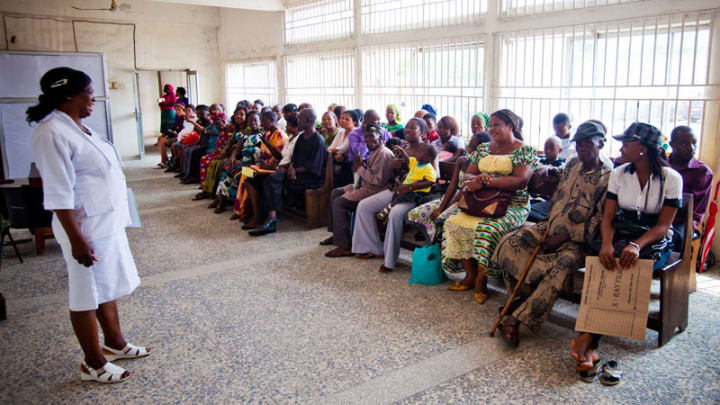
Dying at Home: Why many Nigerians choose alternative care over hospitals, by Martha Gwary
Across Nigeria, a disturbing trend is gaining ground: more people are avoiding hospitals even when gravely ill, choosing instead to manage their conditions at home until it is too late. What was once regarded as a last resort has now become a common response, driven by fear, mistrust and, increasingly, the high cost of medical treatment.
A painful example is the widely reported case of a woman in Kano State whose death deepened public anxiety about hospital care.
The mother of five reportedly died after a pair of surgical scissors was left inside her abdomen following an operation at a public health facility. For months, she complained of severe pain and persistent discomfort. Instead of receiving thorough medical investigations, she was allegedly given painkillers and sent home repeatedly.
When scans eventually revealed the object lodged in her stomach, her condition had deteriorated badly. She died before corrective surgery could save her life.
READ ALSO: Gambling and the false promise of instant riches among young people, by Martha Gwary
The tragedy has become a stark reminder of why many Nigerians now think twice before seeking hospital treatment.
Fear, Negligence and Loss of Trust
Hospitals are meant to be sanctuaries of healing, yet for many citizens, they now represent uncertainty and risk. Stories of medical negligence, poor hygiene, outdated equipment and indifferent attitudes by some health workers are widely shared in communities and on social media. Over time, these accounts have eroded public trust in the healthcare system.
For many patients, especially in rural areas and low-income urban communities, the fear is not only of medical errors but of being treated without compassion or taken seriously.
The Burden of Cost
Beyond fear and mistrust, the rising cost of healthcare has become a major deterrent. Many Nigerians are required to pay out of pocket for consultations, drugs, laboratory tests and surgeries. Hospital admission often comes with demands for deposits before treatment can begin, even in emergencies.
READ ALSO: Homecoming to Death: The tragic fate of Nigerian returnees, by Martha Gwary
For families living on daily earnings, the prospect of hospital bills running into hundreds of thousands of naira is frightening. As a result, people delay seeking professional care, resort to self-medication, unregulated drug vendors or traditional remedies, hoping their condition will improve. In many cases, it does not.
Health experts warn that delayed treatment not only increases the risk of death but ultimately makes care more expensive when patients finally present with advanced complications.
When Delay Turns Deadly
The consequences of avoiding hospitals are severe. Illnesses that could have been treated early become critical, childbirth complications turn fatal and minor infections spiral into life-threatening conditions. Many deaths now occur at home, not because care was unavailable, but because it was seen as unaffordable or unsafe.
Ironically, the Kano woman did seek hospital care. Her death highlights another dimension of the crisis: even when patients overcome fear and cost to access treatment, systemic failures can still cost them their lives. This reality further discourages others from seeking help.
A System in Need of Reform
Medical professionals and public health advocates agree that restoring confidence in hospitals requires urgent reforms. These include stricter safety protocols, proper monitoring during surgeries, improved working conditions for health workers and clear accountability for negligence.
Equally important is addressing the cost of care. Expanding health insurance coverage, strengthening the National Health Insurance Authority scheme and reducing out-of-pocket payments would make hospitals more accessible and less intimidating to ordinary citizens.
Rebuilding Trust, Saving Lives
Until hospitals are affordable, safe and compassionate, many Nigerians will continue to weigh the risks of treatment against the certainty of high costs. For too many families, the decision to stay at home is not a choice but a forced response to a broken system.
READ ALSO: Killer Maids: When the search for domestic help becomes a family’s worst nightmare, by Martha Gwary
Unless trust is rebuilt and healthcare made truly accessible, the country will continue to witness preventable deaths — quiet tragedies that unfold behind closed doors, far from the hospital wards meant to save lives.
Follow the Neptune Prime channel on WhatsApp:
Do you have breaking news, interview request, opinion, suggestion, or want your event covered? Email us at neptuneprime2233@gmail.com