From Power to the Dock: The high-profile trials defining Nigeria’s anti-graft war, by Martha Gwary
Nigeria’s renewed anti-corruption drive has taken centre stage once again, with a number of prominent politicians and former public officials currently on trial or under investigation by federal agencies. From former governors to ex-ministers and top financial regulators, the unfolding cases have fuelled intense public debate about accountability, due process and the credibility of the country’s anti-graft institutions
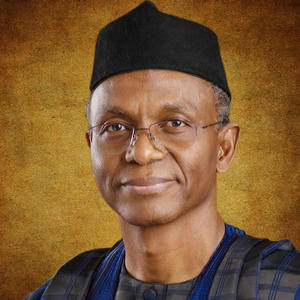
Nasir El-Rufai
The most recent high-profile investigation involves former Kaduna State Governor Nasir El-Rufai. He presented himself at the headquarters of the Economic and Financial Crimes Commission (EFCC) following an invitation over alleged financial improprieties during his tenure as Kaduna State governor between 2015 and 2023. In 2024, the Kaduna State House of Assembly indicted El-Rufai over the alleged diversion of ₦423 billion in public funds and money laundering, and subsequently called on anti-corruption agencies to investigate the claims. He was detained and later transferred to ICPC custody as investigations reportedly focus on allegations of financial misappropriation as well as issues surrounding the reported disappearance of some of his critics. Although formal charges have yet to be fully detailed in court, the probe has intensified scrutiny of major infrastructure contracts executed under his administration.
Godwin Emefiele
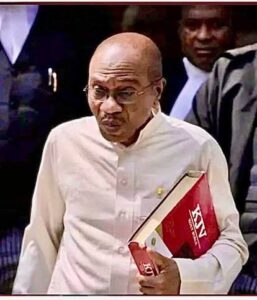
The former Governor of the Central Bank of Nigeria faces multiple serious allegations and charges related to corruption and abuse of office. His legal troubles began after his suspension in June 2023. Emefiele was arrested for allegedly owning a shotgun and hundreds of cartridges.
He is accused of misallocating $2 billion in foreign exchange without proper documentation. The Economic and Financial Crimes Commission (EFCC) filed 26 new charges against him, including:
Accepting gratification and receiving gifts through agents. Unlawfully obtaining property and managing funds through proxy accounts.
Emefiele is charged with unlawfully acquiring a 753-unit housing estate in Abuja, allegedly in collaboration with an associate.
Allegations include keeping large sums in proxy accounts, with amounts ranging from ₦167 million to ₦2.94 billion over several years, suspected to be unlawfully obtained.
Emefiele has denied all allegations and is currently facing multiple court cases related to these charges. His legal battles continue as he seeks to contest the accusations.
Yahaya Bello
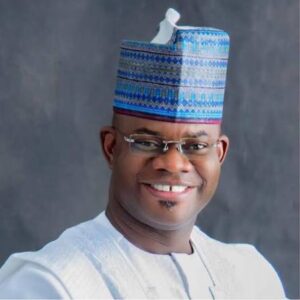
Former Kogi State Governor Yahaya Bello is facing allegations of laundering approximately ₦80 billion in state funds. The EFCC accuses him of diverting public resources through shell companies and proxy accounts during his tenure as Kogi Governor. Bello has consistently denied the allegations. His legal team has challenged aspects of the charges, including jurisdictional questions, while the court continues to hear preliminary and substantive applications.
Abubakar Malami
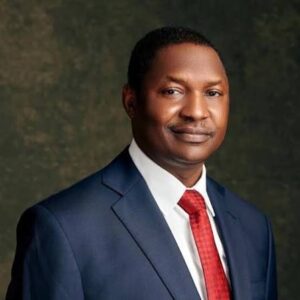
Former Attorney-General of the Federation Abubakar Malami is also facing EFCC prosecution over alleged money laundering involving about ₦8.7 billion. The charges include claims that public funds were channelled through corporate entities and used for property acquisitions valued far above declared earnings. Malami has denied all allegations and is contesting the charges before the Federal High Court.
Rochas Okorocha
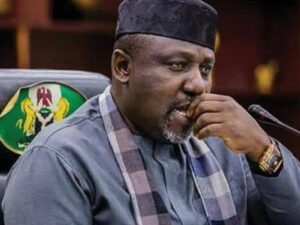
The long-running prosecution of former Imo State Governor Rochas Okorocha centres on allegations that he unlawfully converted public assets and diverted over ₦3 billion in state resources. The EFCC alleges that government properties were transferred to private interests. Okorocha maintains that the assets in question were legitimately allocated and that the charges are politically motivated. Portions of the case have advanced to the defence stage.
Hadi Sirika
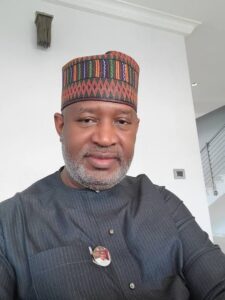
In the aviation sector, former Minister Hadi Sirika is standing trial over alleged abuse of office and contract fraud involving approximately ₦2.7 billion. The prosecution claims that certain aviation contracts were awarded in breach of procurement regulations. Sirika has rejected the allegations, stating that all approvals followed due process.
Saleh Mamman
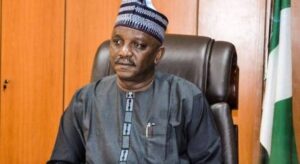
Similarly, former Power Minister Saleh Mamman faces allegations of diverting about ₦33.8 billion earmarked for major power and hydropower projects. Prosecutors allege that funds intended for infrastructure upgrades were misapplied. Court hearings are ongoing, with forensic financial analysis forming a key part of the proceedings.
Olu Agunloye
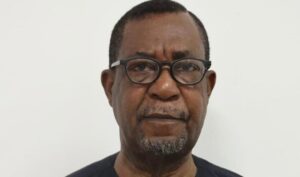
The controversial Mambilla hydropower contract has brought former Minister of Power Olu Agunloye before the court. The EFCC alleges irregularities in the award of a contract valued at approximately $6 billion, including claims that due process was not followed. Agunloye has denied wrongdoing, insisting that all actions taken were within the authority of his office at the time.
Yakubu Adamu
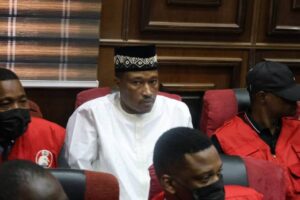
Bauchi State Commissioner Yakubu Adamu is facing serious allegations related to terrorism financing and money laundering.
He is accused of approving $2.3 million for individuals linked to terrorist organisations.
The Economic and Financial Crimes Commission (EFCC) has charged him and three others with a total of $9.7 million in suspicious transactions.
Adamu was arrested on December 13, 2025, and initially denied bail. He was later granted bail on January 21, 2026, with conditions including a ₦100 million deposit and weekly reporting to the Department of State Services (DSS). The case is ongoing, with the next hearing scheduled for March 26, 2026.
Legal Standpoint
Legal observers note that while arrests and arraignments demonstrate institutional activity, the durability of Nigeria’s anti-corruption drive will depend on transparent trials, adherence to due process and timely judgments. Prolonged proceedings in high-profile cases have historically weakened public confidence.
READ ALSO: Quiet Joy in Tough Times: Nigerians mark peaceful Christmas amid insecurity, economic hardship
For a population grappling with inflation, subsidy reforms and fiscal strain, these prosecutions carry symbolic and practical weight. They represent a test of whether accountability can extend to the highest offices in the land — and whether the rule of law can prevail over political influence.
As hearings unfold across courtrooms in Abuja, Lagos and beyond, the outcomes of these multi-billion-naira cases may ultimately define the credibility of Nigeria’s governance reforms in the years ahead.
Follow the Neptune Prime channel on WhatsApp:
Do you have breaking news, interview request, opinion, suggestion, or want your event covered? Email us at neptuneprime2233@gmail.com