


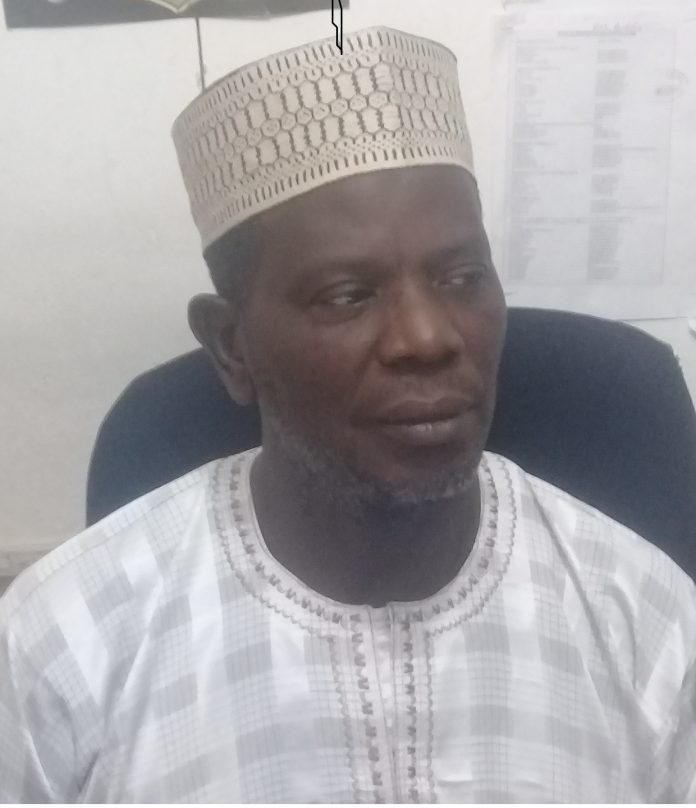
Introduction to Islamic physical security management for the resistance movement in Nigeria (9), by Professor Isa H. Mshelgaru
(ii) Operational Process Requirements
These are availability of actionable procedures that will bring the security plan to life, viz;
Access Control Implementation:
o Verification: actively verifying credentials (ID badges, biometrics, visitors’ passes) against a pre-approved list or database.
o Tailgating/Piggybacking Prevention: vigilantly preventing unauthorized individuals from following authorized personnel through access points.
o Visitor Management: logging all visitors, issuing temporary badges, and ensuring they are escorted as required.
Security Patrols:
o Randomized and Varied Routes: patrols should not be predictable in timing or path to avoid being circumvented.
o Inspection Tasks: checking for security vulnerabilities (unlocked doors, propped-open fire exits, blocked security cameras), safety hazards, and signs of suspicious activity.
o Digital Reporting: using mobile devices or tour tracking systems to record patrol completion and log observations in real-time.
Monitoring and Response:
o Alarm Monitoring: constant vigilance of intrusion detection, duress, and fire alarm systems. every alarm must be investigated and resolved promptly.
o CCTV Monitoring: actively watching video feeds, not just recording, for suspicious behavior, and using pan-tilt-zoom cameras to investigate incidents.
o Communication: maintaining clear, constant communication between security personnel, the control center, and management via radios or other systems.
Key and Asset Management:
o Controlling issuance and return of physical keys to restricted areas.
o Monitoring high-value assets and ensuring they are stored securely when not in use.
(iii) Technology and Equipment Requirements
These are tools that enable personnel to perform their duties effectively such as;
Functional and Operational Systems:
o Access Control Systems must be online and authenticating credentials.
o CCTV systems must be recording, with cameras clean and unobstructed.
o Intrusion Detection Systems (e.g., door sensors, motion detectors) must be armed and functional.
o Communication systems (radios, intercoms, phones) must be operational and have backup power.
Testing and Maintenance: a schedule for regularly testing all security systems to ensure they are working correctly (e.g., testing alarm sensors, checking camera feeds, updating software).
Immediate Response to Failures: having a process to quickly address and repair malfunctioning equipment, often including temporary compensatory measures (e.g., posting a guard at a location of a supply vehicle broken down on the way).
(iv) Documentation and Reporting Requirements
Creating a real-time record of activities is crucial for accountability and continuous improvement, like;
Daily Activity Logs: accurate and detailed logs of all significant events, patrols, alarms, accesses denied, and visitor entries.
Incident Reporting: immediate documentation of any security incident, no matter how minor, including details of the event, response actions taken, and parties involved.
Maintenance Logs: recording all tests, malfunctions, and repairs of security equipment.
Shift Handover Briefings: a formal process for incoming shifts to be briefed by the outgoing shift on any ongoing issues, special events, or recent incidents.
(v) Management and Oversight Requirements
This is the framework that ensures everything else happens correctly; it covers’
Performance Monitoring: supervisors must actively observe security personnel to ensure they are adhering to post orders and procedures.
Real-Time Policy Adherence: ensuring that all carried-out activities strictly follow the established organizational security policies and any relevant legal regulations.
Flexibility and Adaptability: the ability to dynamically adjust security postures in response to changing conditions (e.g., increasing patrols after a reported incident, implementing enhanced access control during a high-alert period).
Supply and Logistics: ensuring that personnel have the necessary resources to perform their jobs (e.g., wears, personal protective equipment (PPE) functional equipment, report means, radios).
The “carrying out” stage is not a passive phase. This is an active, dynamic process characterized by: vigilance, proactivity, adherence, communication and documentation as such failure in any of these requirements can create vulnerability that can undermine the entire PS program. Effective execution of this stage is what will transform the security plan on paper to a living, breathing system that protects people, assets, and property.
Performing PSM processes at the “carrying out” (execution) stage
This operational phase is where plans and procedures meet reality; a phase where daily tasks, monitoring, response and enforcement happen.
The goal of this stage is not just to do the tasks, but to do them consistently, effectively, and in a way that integrate with the overall security posture. It’s a critical event of vigilance, professionalism, and proactive engagement. The key management processes are:
(i) Access Control Management
This is the frontline of physical security and the actions include:
Manning Entry Points: security personnel actively verifying credentials (ID badges, access cards) at gates, lobbies, and sensitive areas.
Badge Enforcement: challenging individuals without visible badges, escorting visitors, and enforcing tailgating/piggybacking policies.
Visitor Management: logging visitors, issuing temporary badges, verifying the purpose of visit, and notifying employee hosts.
Operating Physical Barriers: controlling mantraps, turnstiles, vehicle barriers, and gates. ensuring they close properly after authorized entry.
Monitoring Electronic Systems: over siding electronic access control systems (e.g., card readers, biometrics), acknowledging alarms for forced doors, and responding accordingly.
(ii) Security Patrols and Inspection Rounds
Routine presence is a powerful deterrent. The activities include:
Conducting Scheduled Rounds: performing interior and exterior patrols on a fixed, randomized, or risk-based schedule.
Inspection Tasks: checking the integrity of doors, windows, gates, and fences for signs of tampering.
Environmental Checks: looking for safety hazards (e.g., enemy locations, high density traffic, water leaks, fire hazards, blocked exits, poor lighting).
Asset Verification: visually confirming that high-value assets are secure.
Logging Patrols: using tour wand systems or manual logs to record completion of rounds and any observations. This creates an audit trail.
(iii) Security System Monitoring and Operation
This is the nerve center activity:
CCTV Monitoring: actively watching video feeds (not just passively recording) for suspicious activity, policy violations, or emergencies.
Alarm Response: acknowledging and responding to alarms from intrusion detection systems, duress buttons, or environmental sensors (e.g., fire, flood). This involves investigation, verification (e.g., using CCTV to check an alarm zone) and initiating a response protocol.
System Checks: performing basic functional tests of security equipment (e.g., ensuring cameras are panning, recorders are functioning) and reporting malfunctions.
(iv) Incident Response and Reporting
This is reactive security, executed according to pre-defined plans.
First Response: being the first on scene to secure an area, provide initial aid, direct evacuations, or detain individuals (within legal and policy limits).
Escalation: notifying and briefing supervisors, emergency services, or management as required by the incident type and severity.
Investigation and Evidence Gathering: preserving the scene, identifying witnesses, and collecting evidence (e.g., CCTV footage, access control logs, physical objects).
Detailed Reporting: documenting the incident thoroughly in an incident report (who, what, when, where, why, how). This is critical for legal, insurance, and continuous improvement purposes.
(v) Security Enforcement and Communication
Policy Enforcement: consistently and professionally enforcing Movement’s security policies (e.g., challenging unsafe behavior, enforcing parking rules, prohibiting unauthorized photography).
Customer Service: acting as a visible point of contact for participants, visitors and the general public; providing directions, assistance, and information. This builds positive relationships and makes security more approachable for reporting concerns.
Communication: maintaining constant communication with security teams via radio, ensuring everyone is aware of ongoing situations and status updates.
(vi) Administrative and Operational Duties:
Shift Handover/Turnover: conducting formal briefings between incoming and outgoing shifts to communicate outstanding issues, ongoing incidents, and any special instructions. this is crucial for 24/7 continuity.
Daily Log Maintenance: keeping accurate and detailed daily activity reports that chronicle all significant activities, incidents, and actions taken during the shift.
Key Management: managing the issuance and return of physical keys for sensitive areas, maintaining key logs.
Key Principles for Effective Execution are:
(i) Consistency: procedures must be applied uniformly to be effective and fair.
(ii) Vigilance: avoid complacency. constant observation and a proactive mindset are essential.
(iii) Professionalism: all interactions should be conducted with respect, courtesy, and firmness.
(iv) Documentation: “if it isn’t documented, it didn’t happen.” Meticulous logs and reports are vital for accountability and analysis.
(v) Communication: clear, concise, and constant communication within the team and with other stakeholders is the glue that holds the operation together.
The Feedback Loop: Connecting Execution to Improvement
The “carrying out” stage is not the end. The data and experiences gathered here are fed directly back into other phases of security management and is therefore useful in re-assessing risks, revising plans, and refining training, thereby, creating a continuous cycle of improvement for the PS program. The other phases into are:
(i) Post-Incident Analysis: what worked during the response, what didn’t?
(ii) System Performance: there are recurring false alarms, indicating a need for system adjustment?
(iii) Policy Gaps: did an incident reveal a flaw in a policy or procedure?
(iv) Training Needs: did the response indicate a need for additional staff training?
(vii) Managing PS at the ‘Ending’ phase of the Arbaeen symbolic treks:
(i) The Arbaeen activities at this phase requiring PS cover include;
Settlements debts, differences and agreements, dismantle temporary structures and infrastructures, disunite formations, controlling huge crisscross vehicular and pedestrian traffics, transportation and logistics, refix, cleaning and sanitize, handing over documentation, review.
By Professor Isa H. Mshelgaru.
For responses and feedback, please contact +234 902 701 7690.
To be continued.
Follow the Neptune Prime channel on WhatsApp:
Do you have breaking news, interview request, opinion, suggestion, or want your event covered? Email us at neptuneprime2233@gmail.com

