Jimoh Ibrahim’s diplomatic blunders, costly statements, and Nigeria’s UNGA 81 image, by Abubakar M. Kareto
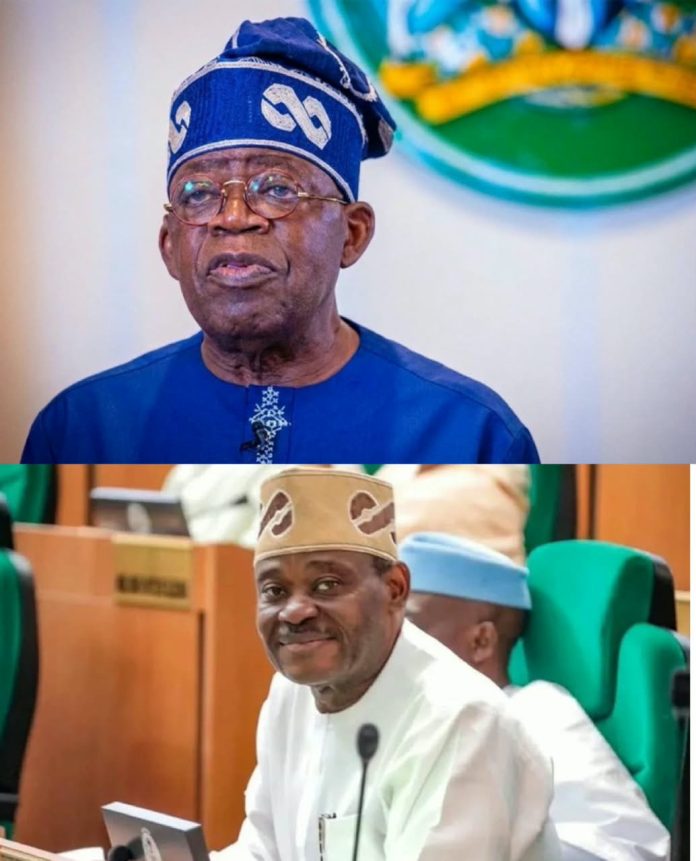
Multilateral diplomacy at the United Nations does not depend on the physical presence of a head of state to be effective. An in-person presidential appearance in New York is never mandatory. A sovereign leader has every right to decide that travelling across the Atlantic merely to deliver a 15-minute speech is not the best use of presidential time, especially when pressing domestic economic and security priorities demand direct focus at home. Respected African leaders like Uganda’s Yoweri Museveni regularly skip the United Nations General Assembly, delegating representation to foreign ministers or high-level envoys without compromising their national dignity. In fact, over 60 per cent of member states at UNGA 81 were represented by vice presidents, prime ministers, or foreign ministers. The issue has never been President Bola Ahmed Tinubu choosing to stay back while Vice President Kashim Shettima leads Nigeria’s delegation. The real crisis lies in how Nigeria’s Permanent Representative to the UN, Jimoh Ibrahim, manufactured an embarrassing image problem for the administration through reckless, contradictory public pronouncements.
READ ALSO: Domestic Rest, Domestic Care: The case for ending executive tourism, by Abubakar M. Kareto
Diplomatic communication requires discipline, clarity, and careful coordination, but Ibrahim handled the build-up to UNGA 81 like a chaotic political rally. Months before the assembly convened, he went on national television trumpeting President Tinubu’s personal attendance, absurdly boasting that arrangements had been sealed for Nigeria’s leader to sit in the front row, placed right next to Donald Trump. Anyone familiar with basic United Nations mechanics knows this claim was procedural nonsense. Under established UN General Assembly protocol, seating is strictly alphabetical by English country name, determined solely by an annual blind ballot drawn by the UN Secretary-General for the first desk. Permanent representatives do not reserve VIP front desks or pull strings to place their leaders next to specific global figures. Nigeria sits alongside Niger, North Macedonia, or Norway, while the United States sits near the United Kingdom or Uruguay.
Claiming to have engineered a special seat next to Donald Trump exposed a staggering lack of procedural knowledge. More damagingly, advertising proximity to Trump as a trophy betrayed an acute colonial mentality. Nigeria, a sovereign nation of over 200 million citizens and Africa’s largest demographic force, does not derive validation from a photo opportunity next to an American president. Real diplomacy is judged by concrete outcomes: unlocking multilateral financing, securing counter-terrorism partnerships, and defending continental interests. Turning sovereign statecraft into celebrity chasing diminished Nigeria’s standing and directly undermined the serious international reformer image that President Tinubu’s administration has spent months attempting to project.
When confronted on national television about these contradictions, Ibrahim’s defence only deepened the embarrassment. Rather than offering a dignified diplomatic clarification, he engaged in a combative, bizarre justification on Channels Television’s Politics Today. He claimed that because Nigeria drew the sixth desk in the front row while the United States was pushed 27 seats back, Nigerians ought to thank and commend him for out-positioning America. He doubled down by claiming that because 60 per cent of attendees were foreign ministers, President Tinubu would have compromised his sovereignty by showing up just to speak for 15 minutes before having his microphone cut off. This defensive somersault was as amateurish as it was damaging. First, he told the world the President was attending to take a prized seat beside Trump, and then he turned around to dismiss the gathering as an inconvenient 15-minute chore where the President risked sitting among foreign ministers. That clumsy spin made the presidency appear indecisive and confused on the world stage.
In strategic statecraft, international diplomacy is an intellectual arena where language carries immense sovereign weight. Seasoned envoys intuitively grasp the doctrine of strategic silence, narrative control, and the perils of boastful posturing. Instead, Ibrahim displayed none of the situational awareness or intellectual restraint that high office presupposes. His conduct demonstrates an astonishing lack of tactical tact and basic administrative discipline, replacing calibrated statecraft with erratic theatrics.
This chaotic performance contrasts sharply with the distinguished titans who previously anchored Nigeria’s diplomatic architecture. In the turbulent 1990s, Professor Ibrahim Gambari shielded Nigeria through a decade of intense domestic political crisis using sheer scholarly mastery, institutional memory, and calm dialogue, before rising to UN Under-Secretary-General. More recently, Professor Joy Ogwu directed Nigeria’s two tenures on the UN Security Council with flawless precision, while Professor Tijjani Muhammad-Bande steered the 74th Session of the UNGA through the unprecedented global crisis of COVID-19 with quiet authority. Alongside figures like Chief Emeka Anyaoku at the Commonwealth, these statesmen established an international reputation built on institutional restraint, intellectual weight, and sovereign pride. None of those diplomatic giants ever manufactured imaginary seating charts, demanded public gratitude for routine ballot draws, or subjected the nation to contradictory soundbites.
Diplomatic credibility is built on quiet preparation, tactical leverage, and institutional decorum. Jimoh Ibrahim’s conduct, by contrast, echoes his stormy corporate history, which has long been defined by litigation, the grounding of Air Nigeria in 2012, and public battles with AMCON over multi-billion-naira debts. President Bola Ahmed Tinubu had capable, dignified representation in New York with Vice President Kashim Shettima, but the administration must realise that erratic representation at the UN mission manufactures needless public relations disasters. Bilateral partners and multilateral institutions do not take a country seriously when its chief envoy treats global statecraft like a local political rally. Nigeria deserves seasoned career diplomats and serious international relations experts who protect sovereign respect through quiet intellect, not boastful fictions, televised tantrums, and clumsy retreats.
Author’s Bio
Abubakar M. Kareto is a Public Affairs Analyst and Communications Strategist focusing on governance, policies, economy, and institutional reforms across Nigeria and Africa. He can be reached on X @amkareto and via email at amkareto@gmail.com.
Follow the Neptune Prime channel on WhatsApp:
Do you have breaking news, interview request, opinion, suggestion, or want your event covered? Email us at neptuneprime2233@gmail.com