


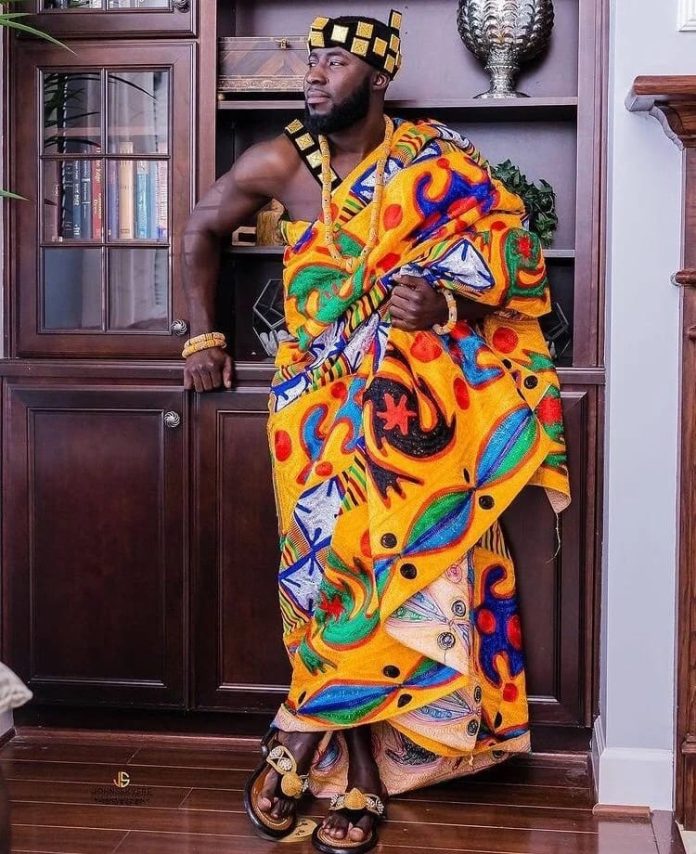
Kente Fashion Wear: A colourful expression of African heritage, by Gift Luckson
Kente fashion is more than a colourful piece of clothing; it is a powerful expression of African identity, culture, history and craftsmanship.
Recognised for its vibrant colours, intricate patterns and distinctive woven texture, kente has become one of Africa’s most celebrated traditional fabrics.
According to Asante oral tradition, it originated from Bonwire in the Ashanti Region of Ghana. In modern-day Ghana, the wearing of kente cloth has become widespread to commemorate special occasions, and kente brands led by master weavers are in high demand.

Due to the popularity of kente cloth patterns, mass-produced prints with kente patterns have become widespread throughout West Africa, and by extension the whole of Africa. Globally, the print is used in the design of academic stoles in graduation ceremonies, worn mostly by Africans.
A Fashion that Depicts Royalty
Kente was historically associated with royalty and important occasions. Traditionally handwoven in narrow strips and carefully joined together, the fabric required considerable skill, patience and creativity.
Over time, its use expanded beyond royal circles, becoming an important part of cultural celebrations and ceremonial dressing.
Use of Bright and Bold Colours
One of the most distinctive features of kente is its bright and meaningful colours. Different colours and patterns can carry symbolic meanings connected to ideas such as royalty, strength, peace, prosperity, spirituality and community. This makes kente different from ordinary fashion fabrics: the designs can communicate cultural messages without words.
A Fashion of Varieties
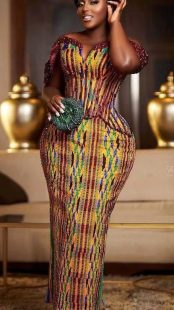
Today, kente has evolved beyond traditional robes and ceremonial outfits. Fashion designers incorporate it into dresses, shirts, skirts, trousers, jackets, suits, gowns, bags, shoes and accessories. Some designers combine kente with modern fabrics such as denim, lace, silk and cotton, creating contemporary outfits that retain the fabric’s traditional character while appealing to younger generations.

Kente is particularly prominent during weddings, festivals, graduations, cultural celebrations and other important ceremonies. Its striking appearance makes it a popular choice for people who want their clothing to celebrate African heritage while maintaining a sophisticated and fashionable look.
Exotic Looks Beyond African Borders
Its influence has also crossed African borders. Kente-inspired designs have appeared on international fashion runways and in global popular culture, helping to introduce the fabric and its artistic traditions to wider audiences.
READ ALSO: How high heels evolved from symbols of status to global fashion trend
Beyond fashion, however, kente represents the preservation of cultural knowledge. Every woven strip reflects the work of artisans who have inherited techniques passed down through generations. Wearing kente can therefore be both a fashion statement and a way of celebrating history and cultural identity.
As African fashion continues to gain international recognition, kente shows how traditional craftsmanship can evolve without losing its cultural significance.
From royal courts to modern fashion studios, kente continues to weave together heritage, creativity and contemporary style.
In September 2025, Ghana gained GI status for the Kente. Under the GI status, only Kente cloths woven using traditional techniques and in approved Ghanaian communities are allowed to use the name, as the law protects Kente as Ghana’s intellectual property.
Bonwire, Agotime Kpetoe, and Sakora Wonoo are the towns where Kente is traditionally woven and approved by the Ghana Ministry of Tourism. Only kente crafted in the selected communities may lawfully be sold as kente, thanks to the new GI law.
READ ALSO: Aso Oke: Weaving tradition into global fashion excellence, by Farida Abba
Previously, the Ghana Copyright Act of 2005 (Act 690) protected Kente styles and designs from being duplicated. However, it was limited in protecting Kente from third-party manufacturers.
Follow the Neptune Prime channel on WhatsApp:
Do you have breaking news, interview request, opinion, suggestion, or want your event covered? Email us at neptuneprime2233@gmail.com