


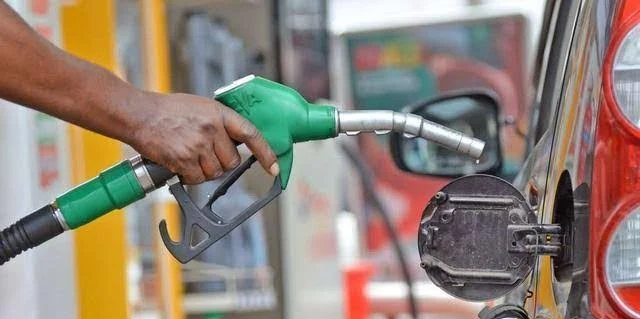
Nigerians have expressed mixed reactions to the Federal Government’s decision to introduce a 30-day petrol discount at Nigerian National Petroleum Company Limited (NNPC) filling stations, with concerns mounting over the sustainability of the measure and its impact on the cost of living.
The initiative, which seeks to cap petrol prices at ₦1,350 per litre at NNPC stations, has received a cautious welcome from some consumers. However, critics argue that the temporary intervention may offer only limited relief to households and businesses struggling with high fuel prices, transportation costs and rising food prices.
The Minister of Finance and Coordinating Minister of the Economy, Taiwo Oyedele, announced the measure in Abuja on Thursday as part of efforts to ease the economic hardship facing Nigerians.
READ ALSO:Kwankwaso: Obi-led govt will adopt new fuel subsidy model
The government has maintained that the arrangement does not amount to a return of fuel subsidy.
Former Vice-President Atiku Abubakar, however, criticised the policy, describing it as a temporary measure that would not address the underlying causes of the country’s economic difficulties.
In a statement issued by Phrank Shaibu, Director of Strategic Communication for the African Democratic Congress Presidential Campaign Council, Atiku accused the administration of offering short-term relief as political activities ahead of future elections gather momentum.
He questioned the rationale behind limiting the intervention to 30 days, arguing that Nigerians would continue to face high fuel prices, transportation fares and food costs once the period expires.
Atiku also raised concerns over the restriction of the discount to NNPC stations, asking how much consumers would actually save and whether transport operators would transfer the benefits to passengers through reduced fares.
He reiterated his support for production assistance tied to petrol refined locally, arguing that such a policy could provide more sustainable relief while supporting domestic refining.
Consumers Express Mixed Reactions
Some consumers welcomed the announcement, saying the temporary price stability could help households and businesses plan their expenses without worrying about immediate increases in petrol prices.
An entrepreneur, Sewanu Alagbe, said the intervention could improve price predictability but questioned whether the savings would be substantial enough to make a meaningful difference.
READ ALSO:Dangote Refinery retains position as Europe’s biggest jet fuel supplier
He explained that a consumer purchasing 10 litres of petrol would save approximately ₦200 under the arrangement, describing the amount as relatively insignificant given the prevailing cost of living.
However, he acknowledged that maintaining a predictable price for 30 days could help businesses prepare budgets and manage operating expenses.
A photographer, Owen Ogie, also welcomed the initiative, saying it could reduce uncertainty for motorists and public transport users.
He noted that a more uniform price at participating filling stations could prevent consumers from having to deal with significant price differences between outlets.
READ ALSO:Sowore compares Iran, Nigeria fuel prices amid US-Iran tensions
Nevertheless, he acknowledged that the intervention’s long-term impact would depend on what happens after the 30-day period.
CISLAC Demands Transparency
The Civil Society Legislative Advocacy Centre (CISLAC) called on the Federal Government to provide clear explanations about the funding, implementation and expected benefits of the petrol discount.
Its Executive Director, Auwal Musa Rafsanjani, said Nigerians had endured significant economic sacrifices following the removal of petrol subsidy, while the anticipated benefits remained largely out of reach for many households.
He questioned how the ₦1,350 price ceiling would be implemented, who would bear the cost of the discount and what measures the government had put in place to prevent prices from rising again after 30 days.
READ ALSO:Taxes, fuel price hikes drag business confidence to six-month low – NESG
Rafsanjani warned that without transparency and verifiable benefits, the initiative could become another temporary announcement that fails to address the country’s cost-of-living crisis.
He urged the government to tackle structural problems contributing to economic hardship, including corruption, excessive governance costs, wasteful public spending and weak accountability.
According to him, the success of economic policy should be measured by sustained improvements in living standards rather than short-term interventions.
Analyst Calls for Transparent Pricing
Financial analyst Charles Fakrogha said a reduction in petrol prices could have wider economic benefits by lowering transportation expenses, reducing the cost of moving agricultural produce and raw materials, and easing pressure on businesses.
However, he stressed the need for transparency in determining petrol prices.
READ ALSO:Dangote Refinery alone cannot meet Nigeria’s fuel needs, marketers warn
He called on the government and relevant operators to disclose the components of the pricing structure, including crude oil costs, refining expenses, transportation charges and other fees.
Fakrogha argued that Nigerians would better understand the price of petrol if the various cost components were made public.
He also suggested that improved pricing transparency could help determine whether further reductions were economically achievable without forcing businesses to operate at a loss.
Transport Operators Cautiously Optimistic
For commercial transport operators, the prospect of cheaper petrol could provide some relief because fuel accounts for a significant share of daily operating expenses.
A commercial motorcyclist, identified as Ayo, said lower fuel prices could reduce his running costs but warned that other expenses would continue to affect his business.
READ ALSO:Residents rush to scoop diesel as fuel tanker overturns on Lagos bridge
He cited traffic congestion, poor road conditions, road construction and payments to touts as factors that could prevent transport fares from falling significantly.
He said sustained reductions in fuel prices, combined with improvements in other operating conditions, would be necessary for passengers and transport operators to experience meaningful benefits.
Other consumers were less optimistic, arguing that transport fares and the prices of goods and services rarely fall immediately after fuel prices decline.
Some also questioned whether the government could maintain the arrangement beyond the initial 30-day period.
For regular public transport users, the central concern remains whether the discount will translate into cheaper fares or merely provide temporary relief at filling stations.
READ ALSO:Customs seizes 60,000 litre fuel tanker suspected of smuggling
Questions Remain Over What Happens Next
The debate over the petrol discount has renewed calls for a comprehensive strategy to address the wider effects of high energy and transportation costs on the Nigerian economy.
While the Federal Government presents the measure as an intervention to ease pressure on consumers, critics insist that a 30-day window is insufficient to resolve the challenges confronting households and businesses.
The key questions remain how much Nigerians will save, whether the benefits will reach public transport users and consumers of essential goods, and what the government intends to do when the intervention expires.
READ ALSO:Fuel surcharge deferred until naira strengthens, oil prices ease
For many Nigerians, the ultimate test of the policy will not be the initial reduction in petrol prices but whether it produces lasting improvements in transportation costs, food prices and household purchasing power.
Follow the Neptune Prime channel on WhatsApp:
Do you have breaking news, interview request, opinion, suggestion, or want your event covered? Email us at neptuneprime2233@gmail.com

