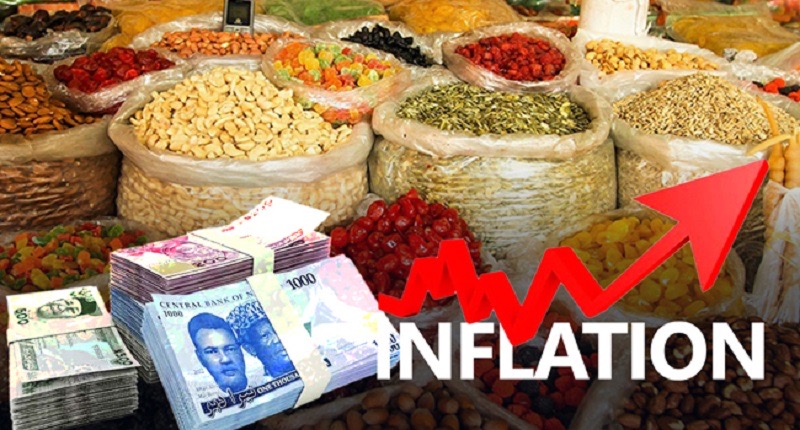
Nigeria’s inflation falls to eight-year low of 16.05% in October
Story by Martha Gwary.
Nigeria’s headline inflation eased significantly to 16.05 per cent in October 2025, marking a sharp decline from 18.02 per cent recorded in September, according to the latest Consumer Price Index (CPI) report released by the National Bureau of Statistics (NBS).
The reduction of 1.97 percentage points represents the most substantial month-on-month slowdown in recent years and brings inflation to its lowest level since 2017, signalling what analysts describe as an important turn in Nigeria’s macroeconomic environment.

In its report, the NBS stated:
“In October 2025, the headline inflation rate eased to 16.05% relative to the September 2025 headline inflation rate of 18.02%.”
The Bureau added that the October figure reflects a 1.96 per cent month-on-month decrease, illustrating a measurable improvement in domestic price stability.
On a year-on-year basis, headline inflation dropped by 17.82 percentage points when compared with the 33.88 per cent recorded in October 2024. This sharp annual decline, according to the NBS, highlights a “different base effect”, as inflation in 2024 was heavily influenced by foreign-exchange pressures, the removal of fuel subsidies, and heightened import-driven price increases.
READ ALSO: Nigeria’s economy expands 4.23% in Q2 2025, driven by oil, industry
Economists note that the latest figures suggest that several monetary and fiscal interventions may be gaining traction. Tighter monetary policy, improved liquidity in the foreign-exchange market, and a gradual rebound in domestic production are believed to have contributed to easing price pressures.
Food inflation—which has been a persistent driver of headline inflation—is also expected to show signs of moderation, though the full breakdown will be detailed in the sub-index analysis of the CPI report. Early indicators point to stabilising prices for key staples due to better harvest supplies and improving logistics.

Analysts, however, caution that while the October decline is encouraging, inflation remains above the Central Bank of Nigeria’s medium-term target band. Continued vigilance will be necessary, particularly as festive-season demand, energy prices, and global commodity trends could influence price movements in the coming months.
The Federal Government, policymakers, and industry stakeholders are likely to interpret the October CPI data as evidence that the economy may be transitioning towards a more stable inflationary path, after years of elevated price levels that weighed heavily on households, businesses, and investment planning.
Follow the Neptune Prime channel on WhatsApp:
Do you have breaking news, interview request, opinion, suggestion, or want your event covered? Email us at neptuneprime2233@gmail.com