



Nine Lessons From Japan: A traveler’s diary, lessons beyond the classroom, by Dr. Suleiman Dauda
“Every journey creates memories, but only the most meaningful ones leave lessons that shape the way we see the world.”— Anonymous
I travelled to Japan expecting to learn about development recovery and reconstruction. I returned home convinced that Japan itself is perhaps the greatest classroom ever built.
As someone currently leading a state project on post conflict recovery and long-term development, I anticipated returning with new technical knowledge on post disaster recovery, practical tools, and policy ideas. I did indeed acquire those. But I also discovered something far more profound: that sustainable national development begins not merely with infrastructure or government policies, but with the values, institutions, and everyday choices of ordinary citizens.
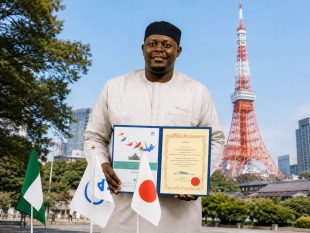
My participation in the Japan Knowledge Co-Creation Program was far more than an international study visit. It was an immersion into a society where resilience is woven into everyday life, discipline has become instinctive, innovation feels ordinary, technology is seamlessly integrated into daily living, and humility quietly defines national value.
Japan is an island nation in East Asia, home to approximately 123 million people living across four main islands and 47 prefectures. Despite possessing limited natural resources and facing some of the world’s most formidable natural hazards; including earthquakes, tsunamis, volcanic eruptions, and powerful typhoons; it has built the world’s fourth-largest economy, with a GDP exceeding US$4 trillion.
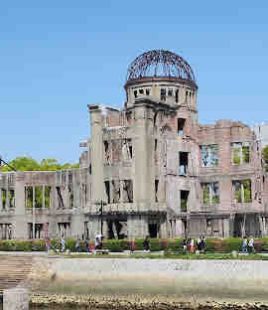
Through disciplined governance, technological innovation, advanced manufacturing, climate-smart agriculture, and a culture of continuous improvement, Japan has transformed vulnerability into one of its greatest national strengths.
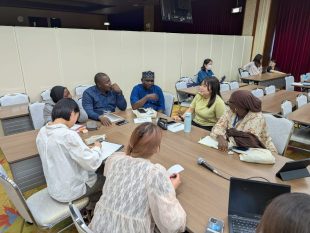
The JICA supported programme delivered everything it promised, world-class lectures, rigorous policy discussions, technical exchanges, and carefully designed field visits. Yet the lessons that changed me most were never projected on PowerPoint slides or delivered from classes. They were quietly revealed in train stations, cities streets, farms, schools, municipal offices, local factories, and in the everyday conduct of ordinary Japanese citizens.
Japan is a country where discipline requires little enforcement because responsibility is deeply internalised. Respect shapes everyday interactions. Silence reflects consideration for others rather than indifference. Even waste is viewed not as rubbish to be discarded but as a valuable resource to be recovered, recycled, and returned to the economy. It is this quiet culture of collective responsibility, more than any technological breakthrough, that underpins Japan’s remarkable resilience, prosperity, and global competitiveness.
These reflections are therefore not intended to be a conventional travelogue. They are a collection of practical insights from a nation that has repeatedly transformed tragedy into opportunity, disaster into opportunity, and adversity into lasting progress. They are the reflections of a traveler who arrived seeking technical knowledge but departed with a renewed appreciation that values, institutions, innovation, and responsible citizenship are the true foundations of national development.
Read Also: Suleiman Mamman Mohammed: A tribute, by Suleiman Dauda
Beginning this Saturday, I will share these experiences through a weekly brief series titled ‘Nine Lessons from Japan: A Traveler’s Diary’. Each week, I will explore one defining lesson from this remarkable country:Lesson 1: When Garbage Becomes Gold
Lesson 2: Technology That Doesn’t Show Off
Lesson 3: The Humility of a Great Nation
Lesson 4: The Sound of Silence
Lesson 5: Farming for Tomorrow
Lesson 6: Building Back Better
Lesson 7: The Lebanese Man and the Swimming Pool
Lesson 8: Japan’s Greatest Challenge: Aging population
Lesson 9: Nigeria in Japan: Lessons Beyond Diplomacy
More importantly, each lesson will examine how these lessons can inspire practical reforms and locally driven solutions for our communities, state and our nation.
There is a Japanese proverb that says, “Better than knowing a hundred things is seeing one thing”. I was privileged to witness many extraordinary things during my time in Japan, and each experience carried a lesson worth bringing home.
My hope is that this series will do far more than recount the experiences of a journey. I hope it stimulates meaningful conversations about how we can build cleaner towns, strengthen institutions, more resilient communities, sustainable local economies, and a civic culture where every citizen understands that nation-building is not the responsibility of government alone, but a shared national obligation.
Japan reminded me that great nations are rarely transformed by a single grand event. They are built gradually through millions of ordinary acts of discipline, integrity, responsibility, innovation, and service. The true wealth of a nation lies not only in the size of its economy or the sophistication of its technology, but in the everyday values practised by its people.
These pages are therefore more than a diary of discoveries. They are a journey through ideas that challenge long-held assumptions about development and an invitation to reimagine our nation-building agenda. If these reflections encourage even one reader to believe that meaningful transformation begins with ordinary citizens making extraordinary choices every day, then this journey will have continued long after my flight home.
Dr. Suleiman Dauda
Writes from Damaturu, Yobe State
Follow the Neptune Prime channel on WhatsApp:
Do you have breaking news, interview request, opinion, suggestion, or want your event covered? Email us at neptuneprime2233@gmail.com

