Inside the rich heritage of the Yandang people of North-East Nigeria, by Tawheed Yakub
Inside the rich heritage of the Yandang people of North-East Nigeria, by Tawheed Yakub
The Yandang people of Nigeria are a culturally rich and historically rooted ethnic group known for their resilience, agricultural heritage, and strong communal values preserved across generations.
Recognised for their bravery, industrious nature, and deep attachment to their ancestral homeland, the Yandang people have maintained their cultural identity despite colonial administration, missionary influence, political transitions, and the pressures of modern social change.
They are predominantly found in Adamawa State and parts of Taraba State in North-Eastern Nigeria, particularly in areas such as Mayo-Belwa, Jada, and surrounding communities.
Their homeland lies within the savannah landscapes and rolling hills of the North-East, characterised by fertile farmlands and seasonal rivers that support agriculture and rural livelihoods.
Over time, the Yandang people have contributed significantly to the social and cultural life of their region, upholding values that emphasise unity, respect for elders, communal cooperation, courage, and social responsibility.
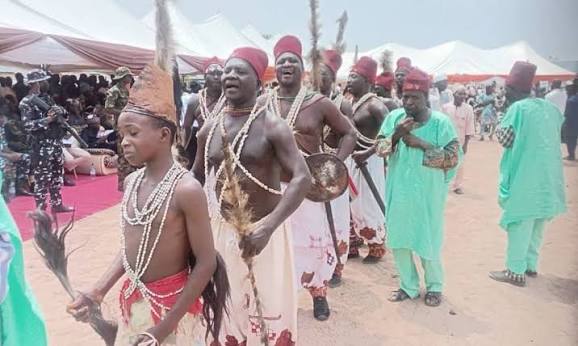
Historical Background and Origin
Yandang history is preserved largely through oral traditions, clan genealogies, folktales, and ancestral narratives passed down by elders.
Linguistically, the Yandang language belongs to the Niger-Congo language family, reflecting historical connections with other ethnic groups of the Adamawa region.
Traditionally, Yandang communities were organised around extended families and clans living in clustered settlements that promoted cooperation in farming, defence, and social organisation.
The Yandang people maintained relationships with neighbouring ethnic groups such as the Bachama (Bwatiye), Fulani, and other Adamawa communities through trade, intermarriage, and cultural exchange while preserving a distinct ethnic identity.
Leadership historically revolved around village heads, clan leaders, and councils of elders responsible for land administration, dispute resolution, marriage negotiations, and the preservation of customs and traditions.
Although colonial administration introduced changes in governance structures, traditional leadership institutions continue to command respect within Yandang society.
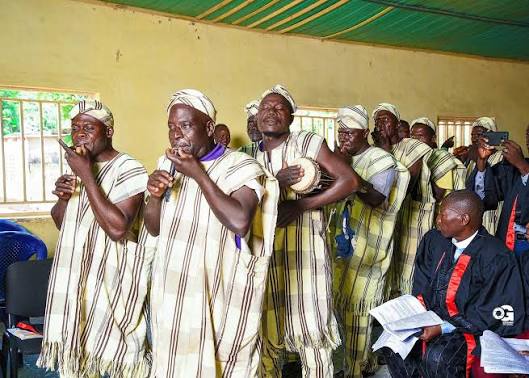
Culture and Tradition
Yandang culture is deeply communal and centred on strong kinship relationships. Elders serve as custodians of cultural knowledge and moral authority, while younger generations are expected to uphold discipline, respect, and community responsibility.
Communal labour remains an important feature of Yandang society, especially during farming seasons, harvest periods, and community projects.
The Yandang language is central to identity and is expressed through proverbs, folktales, traditional songs, praise chants, and storytelling traditions that pass ethical teachings and historical knowledge to younger generations.
Today, Christianity is widely practised among the Yandang people, alongside Islam and remnants of indigenous spiritual beliefs that still influence aspects of cultural expression.
Traditional music, drumming, and dance performances play an important role during festivals, weddings, and cultural celebrations.

Marriage among the Yandang is regarded as an important social institution that strengthens family ties and community bonds.
Traditionally, the marriage process involves family introductions, negotiations between elders, agreement on bride price, and community blessings.
Marriage ceremonies are often accompanied by music, dance, feasting, and the participation of extended family and community members.
While polygamy existed in earlier times, modern religious influence and socio-economic realities have made monogamy more common in contemporary Yandang society.
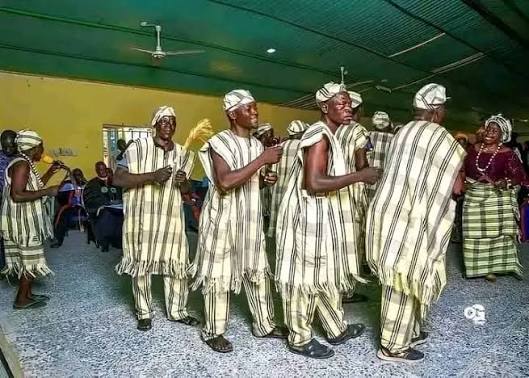
Socio-Economic Life
Agriculture forms the backbone of the Yandang people’s livelihood. The people cultivate crops such as maize, millet, sorghum, groundnuts, yams, and cassava.
Animal husbandry, including the rearing of goats, sheep, and poultry, also contributes to household income.
In modern times, Yandang men and women participate actively in education, civil service, trade, politics, healthcare, and entrepreneurship across North-Eastern Nigeria and beyond.

Modern Times
Like many indigenous communities, the Yandang people face challenges such as youth migration to urban centres, economic pressures, and concerns about language preservation.
However, community associations, churches, cultural groups, and traditional leadership institutions continue to promote Yandang culture and unity.
Efforts to document oral traditions and encourage younger generations to learn the Yandang language reflect a commitment to preserving their cultural heritage.
Ceremonies and Cultural Practices
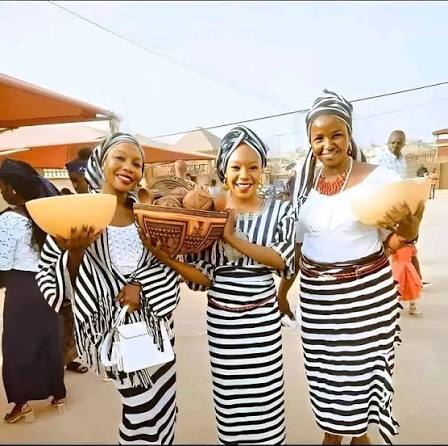
Yandang ceremonies symbolise unity, gratitude, bravery, and respect for ancestors. Important cultural events include harvest celebrations, naming ceremonies, marriage rites, funerals, and communal festivals that showcase traditional dances, attire, and cultural pride.
These ceremonies reinforce values of diligence, respect, courage, and communal harmony.
From the rural communities of Adamawa to towns and cities across Nigeria, the Yandang people continue to demonstrate that tradition and modernity can coexist, preserving a proud legacy built on resilience, unity, and enduring cultural identity.