Charles Joughin: The Titanic baker who survived against all logic
Charles Joughin: The Titanic baker who survived against all logic
On the fateful night of April 14, 1912, when the Titanic struck the iceberg and chaos engulfed thousands of people, one man decided that if the end was coming, he would at least face it in good spirits.
His name was Charles Joughin, the ship’s head baker. What followed is probably one of the strangest survival stories in history.
As soon as he realised the ship was sinking, Joughin didn’t rush to the lifeboats to save himself. On the contrary—he ordered his subordinates to carry bread supplies into the lifeboats for the future survivors.
Then he returned to his cabin and began his own “mission”: he drank impressive amounts of liquor. With his mind clouded by alcohol but fuelled by a kind of reckless courage, he went back on deck.
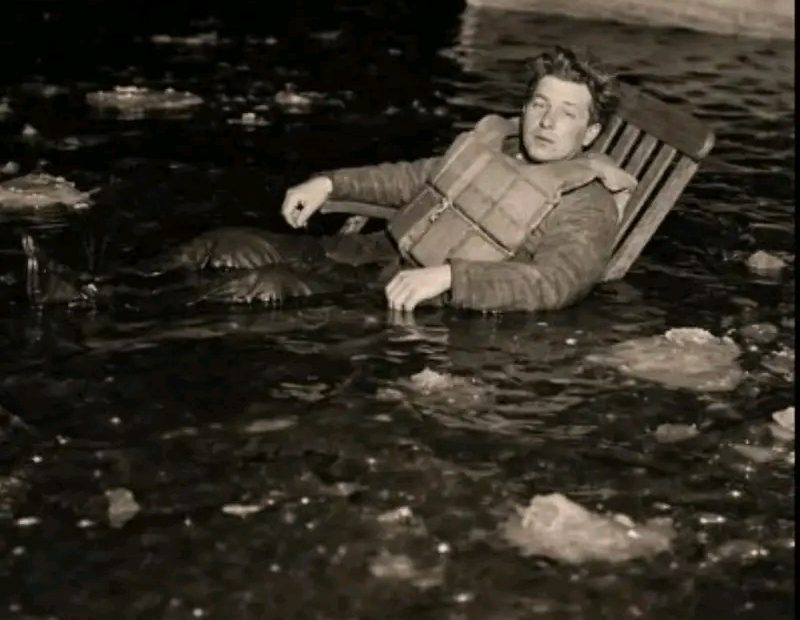
He began throwing wooden deck chairs overboard, hoping that those already in the water could cling to them. It was later believed that this act saved dozens of lives.
As the ship tilted steeply, panic was everywhere. People slipped, screamed, and prayed. Joughin calmly made his way to the stern, stepped over the safety railing, and waited.
He later said he felt the ship sinking beneath him “like an elevator.” When the Titanic disappeared under the Atlantic, Charles Joughin simply stepped off the metal into the ocean. He did it so smoothly that he later claimed: “I didn’t even get my hair wet.”
Then comes the bizarre scientific twist. The water temperature was around -2°C (28°F).
Most people died within 15–20 minutes due to hypothermic shock or panic that drained their energy.
But this baker was “numbed.” The massive amount of alcohol in his system had two crucial effects: it eliminated his fear completely, and he swam calmly and slowly, without wasting energy, preserving his body heat.
Although alcohol typically accelerates hypothermia, in Joughin’s case, the extreme muscle relaxation may have helped him avoid the initial cold shock—the kind that can stop the heart instantly upon contact with freezing water.
He swam in the darkness for over two hours. When dawn broke, he was found by a lifeboat, calmly treading water as if he were taking a morning swim. He climbed aboard, dried off, and survived without any lasting effects.
Charles Joughin lived to an old age, passing away in 1956 at 78 years old. He was the man who proved that sometimes, the rules of survival defy all logic.