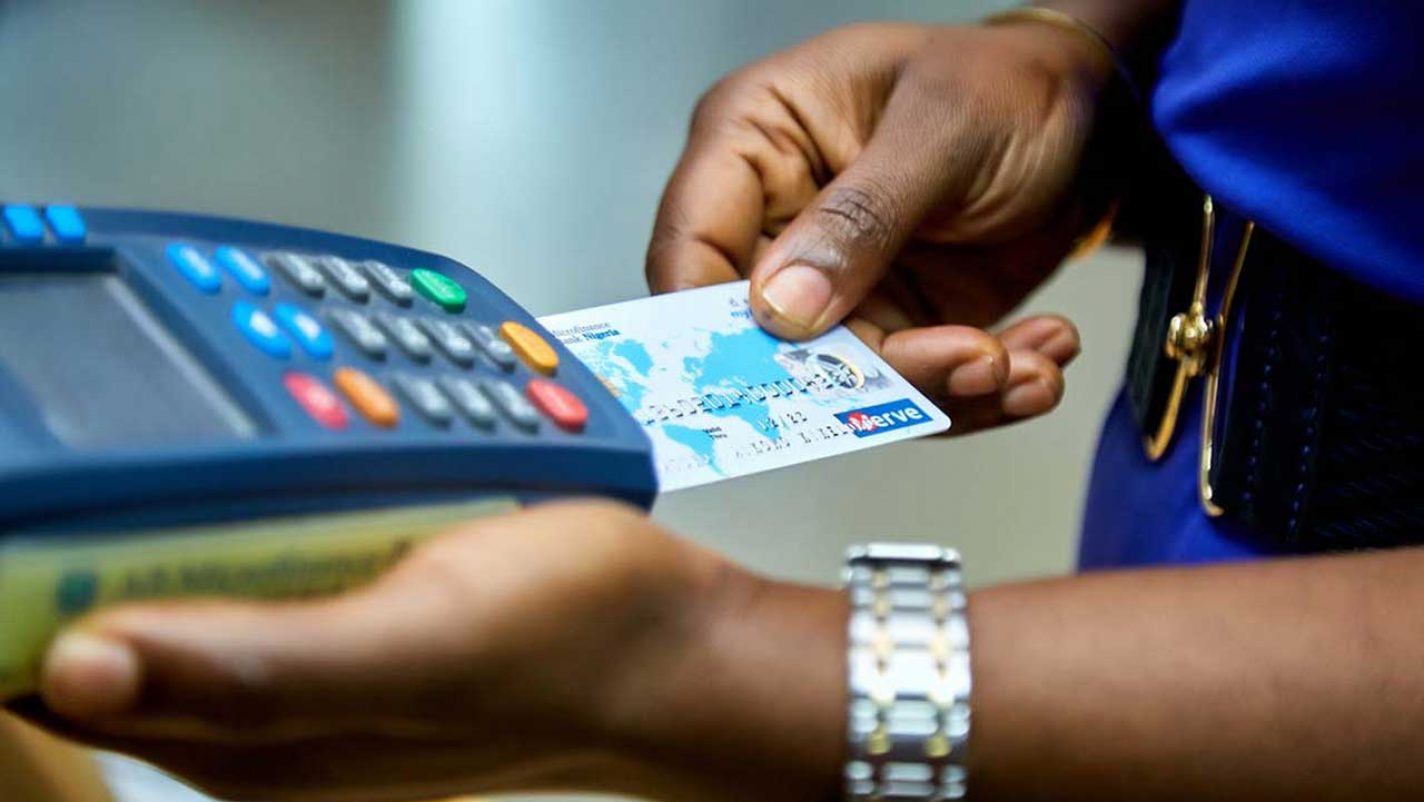
POS in Nigeria: A lifeline for convenience, and a channel for crime, fraud, by Martha Gwary
Nigeria’s Point-of-Sale (POS) industry has evolved into a vital pillar of everyday commerce, offering millions of citizens convenient access to cash and digital payments.
Yet, while the system has expanded financial inclusion and eased transactions across urban and rural communities, it continues to grapple with persistent challenges ranging from high charges to cases of fraud — raising questions about its long-term sustainability.
An Indispensable Service
Once a supplementary payment channel, POS services have become indispensable for households and small businesses.
READ ALSO: Dangote, honeywell seal partnership to lift refinery capacity to 1.4m bpd by 2028
The widespread network of agents has helped bridge gaps created by limited banking infrastructure, reducing queues in banking halls and providing financial services to previously underserved areas.
For many Nigerians, the nearest POS outlet functions as a mini-bank — offering withdrawals, deposits, transfers, airtime purchases and bill payments.
Recognised Advantages
Financial inclusion: Brings banking services to remote and underserved areas with limited branch presence.
Convenient access to cash and transfers: Allows quick withdrawals, deposits and payments without visiting a bank.
Supports small businesses:
Provides entrepreneurs with a cost-effective way to accept digital payments.
Reduces bank congestion
Cuts down queues in banking halls and eases pressure on ATMs.
READ ALSO: Dangote, honeywell seal partnership to lift refinery capacity to 1.4m bpd by 2028
Boosts digital-payment adoption: Encourages the shift towards a cash-lite economy.
Job creation
POS operations have provided income opportunities for thousands of Nigerians, particularly youths.
Extended service hours
Unlike banks, many agents operate late into the evening and at weekends.
Risks Attached
High transaction charges
Withdrawal fees are often steep, especially during cash scarcity.
Network failures
Frequent connectivity issues lead to failed or reversed transactions.
Fraud and security risks
Includes card cloning, unauthorised transfers, fake alerts and theft of terminals.
Cash-sourcing challenges
Operators sometimes struggle to obtain sufficient cash, affecting service availability.
Dispute resolution delays
Customers often experience long waits for refunds after unsuccessful transactions.
Lack of standard regulation
Variation in pricing and operating standards leads to inconsistent user experiences.
READ ALSO: CBN clears over ₦5 trillion in debt as banks slash deposit placements
Physical safety concerns for agents
Many operate in high-risk areas with exposure to robbery and cash-related violence.
How POS Has Become a Channel for Crime and Fraud
Despite its benefits, the POS ecosystem has increasingly been infiltrated by fraudulent actors due to weak regulations, poor identity verification, and the cash-based nature of the business.
Fraudsters sometimes pose as agents or customers, distracting users, switching ATM cards, and later withdrawing funds after stealing the PIN.
Some criminals trick POS agents by presenting doctored bank transfer alerts, leading agents to release cash without confirming the actual transaction. There are reported cases of dishonest agents copying customer card details or storing CVV numbers to make unauthorised withdrawals later.
Fraudsters sometimes channel illegally obtained money through POS terminals to mask the source of funds, especially when colluding with agents.
READ ALSO: Nigeria’s inflation falls to eight-year low of 16.05% in October
Some criminals use cloned or unregistered POS machines to siphon funds from customer accounts with no traceable identity.
A Call for Policy Reforms
As Nigeria continues its transition towards a more cash-lite economy, analysts say POS services will remain essential. But they stress that robust policy reforms, lower transaction costs and enhanced digital infrastructure are needed to protect consumers and strengthen confidence in the payment system.
Overall, while POS services have transformed the way Nigerians access financial services, their benefits and shortcomings highlight the need for continuous improvement in the nation’s evolving payments landscape.
No doubt, POS terminals in Nigeria have transformed the country’s financial landscape, from a simple extension of banking services to growing into a nationwide network of agent service providers.
Strengthening the System
To protect customers and agents, several measures are necessary:
• Stricter registration and biometric verification for POS operators
• Mandatory transaction confirmation before releasing cash
• Improved security surveillance for agents
• Customer awareness campaigns on common POS scams
• Stronger collaboration between banks, fintechs, and law enforcement
Follow the Neptune Prime channel on WhatsApp:
Do you have breaking news, interview request, opinion, suggestion, or want your event covered? Email us at neptuneprime2233@gmail.com