

Shadda: The shimmering fabric behind Northern Nigeria’s traditional fashion
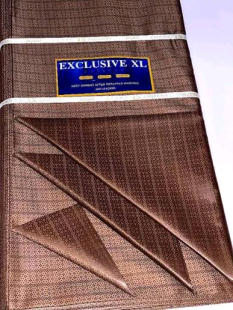
Shadda is one of Northern Nigeria’s most recognisable fabrics. Known for its smooth texture, rich appearance, and distinctive shine, the material has become a popular choice for both men’s and women’s traditional clothing.
In Hausa, shadda refers to a type of cotton brocade. Hausa-language sources describe it as a smooth fabric with patterns that is used for clothing.
READ ALSO: How high heels evolved from symbols of status to global fashion trend
A fabric associated with elegance and status
Shadda has a strong connection with Hausa fashion, particularly the elaborate garments worn for weddings, religious celebrations, festivals and other important occasions.
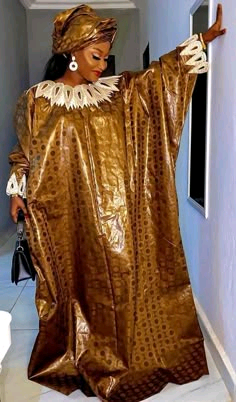
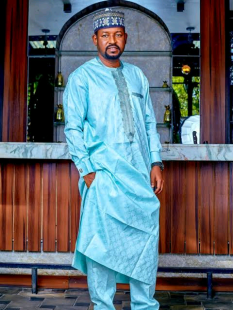
The material is commonly used for garments such as the babban riga, kaftans, gowns, wrappers and other traditional outfits. Its glossy appearance makes it especially suitable for clothing designed to project elegance and prestige.
Historical research on Northern Nigerian textiles shows that clothing has long played an important role in communicating social status. Large embroidered gowns, for example, were traditionally associated with people of high status and were used to communicate rank and prestige.
From traditional dress to modern fashion
Although Northern Nigerian clothing has a long history of locally woven textiles, modern Shadda is largely a manufactured fabric. Research on Hausa dress notes that contemporary versions of the material used for large embroidered robes can be imported, including from countries such as China and Germany. The fabric may also be treated or beaten to enhance its characteristic shine.
This has helped Shadda remain popular as fashion has changed. Rather than being limited to traditional garments, designers now use the material to create modern kaftans, dresses, skirts, tops and other outfits.
The beauty is often in the embroidery
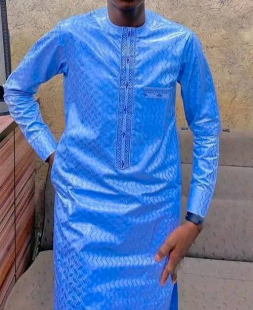
One of the features that makes Shadda outfits stand out is embroidery. Tailors and designers often combine the fabric with elaborate embroidery around the neckline, chest, sleeves and other parts of the garment.
Historically, Hausa prestige robes were embroidered with silk and cotton threads. The embroidery, together with the layers and volume of the garments, helped create an imposing appearance.
Today, both hand and machine embroidery are used, allowing designers to create everything from traditional geometric patterns to more contemporary designs.
Popular beyond Northern Nigeria
Shadda is strongly associated with Hausa and Northern Nigerian fashion, but its popularity extends beyond the region. Shadda fabrics are sold and worn in different parts of Nigeria, including communities where Hausa traders and residents have established themselves.
READ ALSO: Kente Fashion Wear: A colourful expression of African heritage, by Gift Luckson
Academic research on Hausa communities in Lagos, for example, records Shadda among the fabrics sold in Hausa commercial areas.
The material has also become part of Nigeria’s wider fashion culture, particularly at weddings, naming ceremonies, religious celebrations and other occasions where traditional clothing is preferred.
A symbol of Northern fashion
For many wearers, Shadda represents more than a piece of fabric. Its connection with babban riga, embroidery and ceremonial dressing has made it part of the visual identity of Northern Nigerian fashion.
Its continued popularity also demonstrates how traditional clothing can evolve. While older textile traditions remain important, factory-made materials such as Shadda have become accessible alternatives, helping traditional styles survive in a changing fashion environment.
Research on indigenous textiles in Northern Nigeria similarly notes that modern factory-produced fabrics, including Shadda, have displaced some older locally made materials because of their availability and affordability.
Today, Shadda continues to combine tradition, elegance and modern fashion, making it one of the fabrics most closely associated with the grandeur of Northern Nigerian dressing.
Follow the Neptune Prime channel on WhatsApp:
Do you have breaking news, interview request, opinion, suggestion, or want your event covered? Email us at neptuneprime2233@gmail.com