


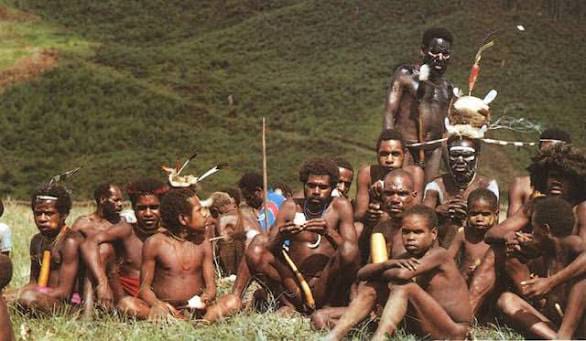
The Irigwe People: A journey through culture, identity and history, by Tawheed Yakub
Hidden within the breathtaking highlands of Plateau State is a people whose history reflects resilience, cultural pride, and a deep connection to their ancestral homeland, the Irigwe people.
The Irigwe are among the indigenous ethnic groups found primarily in Plateau State, particularly in Bassa Local Government Area. For generations, they have maintained a unique cultural identity shaped by agriculture, traditional institutions, communal living, and rich cultural practices.
Among neighbouring communities, the Irigwe are widely recognised for their industrious nature, hospitality, resilience, and commitment to preserving their heritage.
Their cultural values emphasise respect for elders, family unity, integrity, communal cooperation, and the preservation of ancestral traditions.
Origin
The Irigwe people are predominantly found in the Bassa Local Government Area of Plateau State, with several settlements spread across the Jos Plateau.
Their homeland consists of fertile farmlands, rolling hills, forests, streams, and rocky landscapes that have sustained generations of families and communities.
For centuries, these ancestral lands have represented far more than a place of residence. They symbolise identity, heritage, and the enduring bond between the Irigwe people and their history.
A People Rooted in Tradition and Heritage
Like many indigenous ethnic groups across Nigeria, much of the Irigwe history has been preserved through oral traditions passed down from generation to generation.
Stories of migration, settlement, traditional leadership, community development, and ancestral origins continue to be preserved through storytelling, songs, folktales, and the wisdom of elders who serve as custodians of cultural knowledge.
The Irigwe language remains an important symbol of identity and belonging, helping younger generations maintain a connection with their roots despite the growing influence of modernisation and urban migration.
Traditionally, Irigwe communities were organised around clans and age-grade systems, with traditional institutions playing significant roles in governance, conflict resolution, land administration, and social order.
Over time, interactions with neighbouring ethnic groups encouraged trade, cultural exchange, and peaceful coexistence while strengthening the Irigwe people’s unique identity.
Community Life and Collective Responsibility
Among the Irigwe people, community remains at the centre of social life.
The people are known for their strong spirit of cooperation, mutual assistance, and solidarity during both celebrations and difficult times.
Agricultural activities often involve communal participation, where families and neighbours support one another during planting and harvesting seasons.
This tradition not only improves productivity but also strengthens social bonds and community unity.
Elders occupy highly respected positions as custodians of wisdom, culture, and moral guidance, while younger generations are encouraged to uphold values of discipline, hard work, courage, and respect.
Today, Christianity is the dominant religion among the Irigwe people, although elements of traditional beliefs and ancestral customs continue to influence cultural ceremonies and communal life.
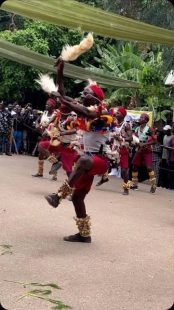
Traditional music, drumming, dance performances, colourful attire, and cultural festivals remain important expressions of Irigwe identity.
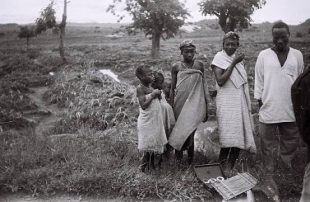
A Popular Saying Among the Irigwe People
Among the Irigwe people, a common belief reflects the importance of unity and collective responsibility:
“A community flourishes when every hand contributes.”
This expression highlights the Irigwe understanding that cooperation, unity, and shared responsibility are essential for peace, development, and prosperity.
Like many indigenous proverbs, it reinforces values of humility, hard work, and social harmony.
Marriage and Family Values
Marriage among the Irigwe people is regarded as a respected institution that extends beyond the union of two individuals.
It serves as a bond between families and a means of strengthening relationships within the wider community.
Traditional marriage ceremonies often involve family consultations, blessings from elders, symbolic gifts, cultural performances, and communal celebrations.
Family remains the foundation of Irigwe society, with strong emphasis placed on responsibility, respect, loyalty, and the preservation of cultural values.
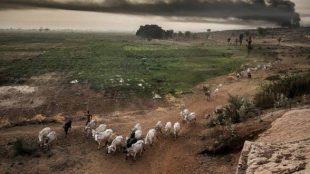
Land, Agriculture, and Livelihood
Agriculture remains one of the primary occupations among the Irigwe people.
Across their farmlands, crops such as maize, millet, sorghum, potatoes, yams, beans, and vegetables are cultivated for household consumption and local trade.
The Irigwe are respected for their hardworking nature and strong attachment to the land.
Farming is viewed not merely as an economic activity but as an important aspect of cultural identity and community life.
Livestock rearing, local commerce, craftsmanship, and small-scale enterprises also contribute significantly to livelihoods within the community.
In recent years, many sons and daughters of the Irigwe community have excelled in education, public service, healthcare, business, politics, academia, and other professional fields, contributing to development both within Plateau State and across Nigeria.
Holding Firm in a Changing Society
Like many indigenous communities across Nigeria, the Irigwe people face modern challenges that include urban migration, economic pressures, cultural assimilation, and the gradual decline of indigenous languages among younger generations.
Despite these challenges, efforts to preserve Irigwe heritage remain active through traditional institutions, cultural associations, community organisations, and annual cultural festivals that celebrate their history and identity.
For the Irigwe people, preserving culture is not simply about remembering the past. It is about protecting identity, honouring ancestors, and ensuring that future generations remain connected to the traditions and values that have shaped their community for centuries.
Today, the Irigwe people continue to stand as a proud symbol of resilience, cultural richness, and communal unity within Nigeria’s diverse ethnic landscape.
Follow the Neptune Prime channel on WhatsApp:
Do you have breaking news, interview request, opinion, suggestion, or want your event covered? Email us at neptuneprime2233@gmail.com

