



The Jenjo People: A North-East tribe where farming and fishing define culture, identity, and daily life, by Tawheed Yakub
Hidden within the rich ethnic diversity of Northeastern Nigeria is a people whose history reflects resilience, hard work, and a deep connection to their ancestral homeland, the Jenjo people.
The Jenjo are among the indigenous ethnic groups found primarily in Taraba State, particularly within communities in Karim Lamido, Jalingo, and Ibi Local Government Areas of Taraba State. For generations, they have maintained a unique cultural identity shaped by agriculture, fishing, communal living, and strong traditional values.
Among neighbouring communities, the Jenjo are widely recognised for their hospitality, peaceful nature, industrious spirit, and commitment to preserving their heritage.
Their cultural values emphasise respect for elders, family unity, honesty, cooperation, and collective responsibility.
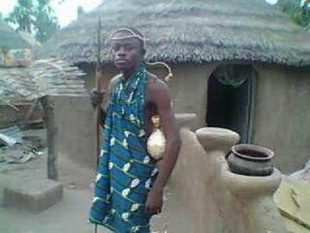
Origin
The Jenjo people are predominantly found in parts of Taraba State, especially within Lau, Ardo-Kola, and neighbouring communities along the Benue Valley.
Their homeland consists of fertile plains, rivers, streams, forests, and agricultural settlements that have sustained generations of families and communities.
The Benue River and surrounding waterways have played an important role in shaping the economy, culture, and way of life of the Jenjo people, particularly through fishing, farming, and local trade.
For centuries, these ancestral lands have represented far more than a place of residence. They symbolise identity, heritage, and the enduring bond between the Jenjo people and their history.

A People Rooted in Tradition and Heritage
Like many indigenous ethnic groups across Nigeria, much of Jenjo’s history has been preserved through oral traditions passed down from generation to generation.
Stories of migration, settlement, traditional leadership, community development, and ancestral origins continue to be preserved through storytelling, songs, folktales, and the wisdom of elders who serve as custodians of cultural knowledge.
The Jenjo language remains an important symbol of identity and belonging, helping younger generations maintain a connection with their roots despite the growing influence of modernisation and urban migration.
Read Also: Meet the Rindre: The North-Central tribe rooted in farming and ancestral pride, by Tawheed Yakub
Traditionally, Jenjo communities were organised around extended family systems, clans, and traditional institutions that played significant roles in governance, conflict resolution, land administration, and social order.
Over time, interactions with neighbouring ethnic groups encouraged trade, cultural exchange, and peaceful coexistence while strengthening the Jenjo people’s unique identity.

Community Life and Collective Responsibility
Among the Jenjo people, community remains at the centre of social life. The people are known for their strong spirit of cooperation, mutual assistance, and solidarity during both celebrations and difficult times.
Agricultural and fishing activities often involve communal participation, where families and neighbours support one another during planting, harvesting, and fishing seasons.
This tradition not only improves productivity but also strengthens social bonds and community unity.
Elders occupy highly respected positions as custodians of wisdom, culture, and moral guidance, while younger generations are encouraged to uphold values of discipline, courage, hard work, and respect.
Today, both Islam and Christianity are widely practised among the Jenjo people, although traditional beliefs continue to influence aspects of community life and cultural celebrations.
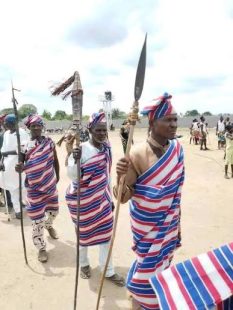
Traditional music, drumming, dancing, storytelling, and colourful attire remain important expressions of identity during festivals, marriages, and communal gatherings.
A Popular Saying Among the Jenjo People
Among the Jenjo people, a common belief reflects the importance of cooperation and communal strength:
“A river reaches greatness because many streams flow into it.”
This expression highlights Jenjo’s understanding that unity and cooperation are essential for progress, peace, and prosperity.
Like many indigenous proverbs, it reinforces values of mutual support, humility, and social harmony.

Marriage and Family Values
Marriage among the Jenjo people is regarded as a respected institution that extends beyond the union of two individuals.
It serves as a bond between families and a means of strengthening relationships within the wider community.
Traditional marriage ceremonies often involve family consultations, blessings from elders, symbolic gifts, cultural performances, and communal celebrations.
Family remains the foundation of Jenjo society, with strong emphasis placed on responsibility, respect, loyalty, and the preservation of cultural values.
Land, Agriculture, and Livelihood
Agriculture remains one of the primary occupations among the Jenjo people. Across their farmlands, crops such as yams, cassava, maize, millet, sorghum, rice, beans, and vegetables are cultivated for household consumption and local trade.
Fishing also plays a significant role in the economy of many Jenjo communities due to their proximity to rivers and water bodies.
The Jenjo are respected for their hardworking nature and strong attachment to the land.
Farming and fishing are viewed not merely as economic activities but as important aspects of cultural identity and community life.
Animal husbandry, local commerce, craftsmanship, and small-scale enterprises also contribute significantly to livelihoods within the community.
In recent years, many sons and daughters of the Jenjo community have excelled in education, business, public service, healthcare, and other professional fields, contributing to development both within and beyond their homeland.

Holding Firm in a Changing Society
Like many indigenous communities across Nigeria, the Jenjo people face modern challenges that include urban migration, economic pressures, cultural assimilation, and the gradual decline of indigenous languages among younger generations.
Despite these challenges, efforts to preserve Jenjo heritage remain active through traditional institutions, cultural associations, community organisations, and initiatives that promote indigenous language and cultural education.
For the Jenjo people, preserving culture is not simply about remembering the past. It is about protecting identity, honouring ancestors, and ensuring that future generations remain connected to the traditions and values that have shaped their community for centuries.
Today, the Jenjo people continue to stand as a proud symbol of resilience, cultural richness, and communal unity within Nigeria’s diverse ethnic landscape.
Follow the Neptune Prime channel on WhatsApp:
Do you have breaking news, interview request, opinion, suggestion, or want your event covered? Email us at neptuneprime2233@gmail.com

