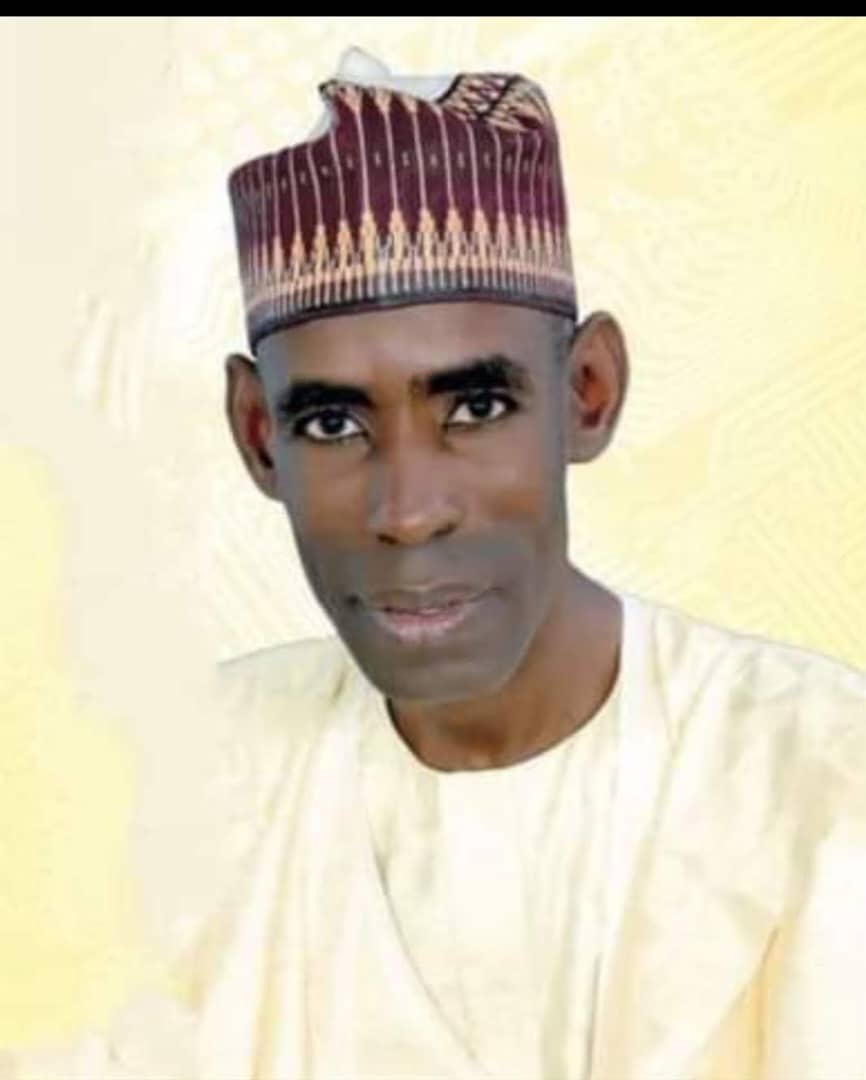
The Kano Question: Why an APC switch could cost more than it gains, by Bello Gwarzo Abdullahi, FNSE
Governor Abba Kabir Yusuf’s rumoured move to defect to the ruling APC reflects a serious misreading of Kano’s political terrain. Politics in this state is high-stakes, unforgiving, and intensely local. Decisions made without a deep understanding of history, party structures, and public sentiment risk more than embarrassment—they risk political isolation.
Kano is not like other states. Party structures here are fiercely defended, and the electorate has repeatedly shown that it will resist moves perceived as opportunistic or disconnected from their realities. The idea that federal influence can compel acceptance is a dangerous illusion. In Kano, the people—and the political system—ultimately call the shots.
Recent history illustrates this clearly. In 2019, the movement that brought Governor Abba to prominence defeated the APC under the PDP platform. In 2023, it returned under the NNPP banner and secured another decisive victory. These wins were not about party loyalty—they were a grassroots-driven pushback against a political establishment that the people felt had failed them. Today, with deeper economic hardship and worsening insecurity, public frustration has hardened into anger. Any misstep risks direct collision with this mood.
READ ALSO: When opposition collapses, democracy follows, by Engr. Bello Gwarzo Abdullahi, FNSE
The APC in Kano is not an empty stage awaiting a new lead actor. It is dominated by entrenched interests that control federal appointments, parliamentary seats, boards, and parastatals. These actors are adept at defending their positions and will not easily yield power to outsiders. The notion that a defector could simply walk in and assume control contradicts decades of Kano political reality.
Early signs are telling. The Chairman’s “welcome,” laced with sarcasm, was less a gesture of inclusion than a reminder of hierarchy. The silence from the dominant Ganduje and Barau factions is no neutral stance—it signals quiet opposition. In Kano politics, indifference often speaks louder than hostility.
The risks extend beyond the Governor himself. Chairmen, councillors, and legislators who follow him would enter a system where they lack roots, alliances, and bargaining power. The Kano APC does not reward late arrivals with leadership positions or prime tickets. Political pedigree outweighs incumbency; many defectors are likely to be sidelined. Accommodation, if it occurs at all, may stop with the Governor, leaving others politically stranded.
READ ALSO: Kano is the experiment, Nigeria is the target, by Engr. Bello Gwarzo Abdullahi, FNSE
Kano voters reward conviction, not convenience. They are deeply aware of their collective power and maintain a long memory for strategic miscalculations. This is not about emotion—it is about structure, timing, and respect for local political culture. Misreading it is not boldness; it is high-stakes gambling. In Kano, shortcuts rarely lead to influence. More often, they lead to isolation.
Written by Engr. Bello Gwarzo Abdullahi, FNSE.
Email: bgabdullahi@gmail.com
Follow the Neptune Prime channel on WhatsApp:
Do you have breaking news, interview request, opinion, suggestion, or want your event covered? Email us at neptuneprime2233@gmail.com