


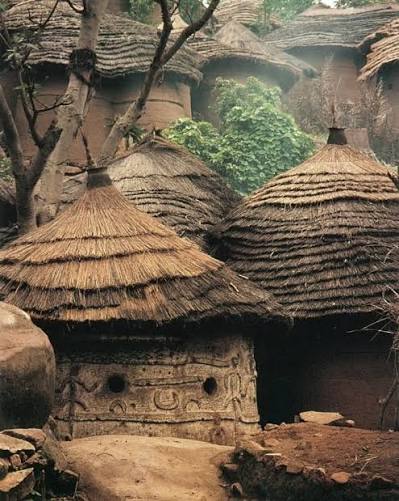
The Kulere People: A legacy of identity, ancestral heritage, and cultural resilience, by Tawheed Yakub
The Kulere people are an indigenous ethnic group of central Nigeria whose history is closely connected to the highlands of Plateau State and neighbouring areas of Nasarawa State.
Also known in some references as Korom Boye, the Kulere are recognised for their distinctive language, agricultural way of life, strong family networks, and rich cultural heritage.
The Kulere people are predominantly found in Bokkos Local Government Area of Plateau State, with related Kulere-speaking communities also present in parts of Wamba Local Government Area of Nasarawa State.
Read Also: The Irigwe People: A journey through culture, identity and history, by Tawheed Yakub
For generations, they have maintained a unique cultural identity shaped by their ancestral homeland, farming traditions, oral history, language, communal relationships, and cultural practices.
The Kulere language remains one of the strongest symbols of their identity. It belongs to the Chadic branch of the Afro-Asiatic language family and continues to serve as an important means of preserving cultural knowledge and strengthening the connection between generations.
Among their neighbouring communities, the Kulere are known as a people whose social life is deeply rooted in family, agriculture, cooperation, and the preservation of their heritage.
Their cultural values emphasise respect for elders, family responsibility, hard work, communal cooperation, and the preservation of language and traditions.
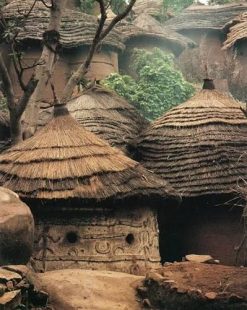
Origin
The Kulere people are primarily associated with the highland regions of Bokkos Local Government Area in Plateau State, with Kulere-speaking communities also found in parts of Wamba Local Government Area of Nasarawa State.
Their ancestral homeland is characterised by highlands, valleys, farmlands, rocky landscapes, and surrounding natural resources that have supported generations of families.
For centuries, these lands have represented far more than a place of residence. They symbolise ancestry, identity, belonging, and the enduring relationship between the Kulere people and the environment that has shaped their history.
The exact details of the early migration and settlement history of the Kulere have largely been preserved through oral traditions and community knowledge passed down through generations.
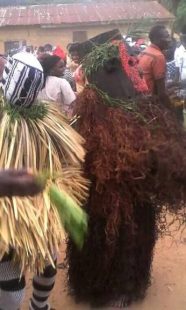
A People Rooted in Language, Tradition and Heritage
Like many indigenous communities across Nigeria, much of the Kulere people’s history has traditionally been preserved through oral transmission.
Stories of ancestry, settlement, family lineages, community life, and traditional customs have been passed from elders to younger generations through storytelling, cultural practices, songs, and communal interaction.
The Kulere language remains an important symbol of identity and belonging. It plays a significant role in preserving cultural knowledge and maintaining a connection between younger generations and their ancestral heritage.
Linguistic studies have documented Kulere speech communities in Bokkos and Wamba, including different dialects and patterns of language use. Like many indigenous Nigerian languages, Kulere exists within a multilingual environment where people may also use Hausa and English for communication beyond their immediate communities.
Traditionally, family relationships, clan connections, and community elders have played important roles in maintaining social order and guiding communal life.
The wisdom of elders has historically been important in preserving customs, settling disagreements, advising younger generations, and transmitting knowledge about the community’s history.
Over time, interaction with neighbouring ethnic groups has encouraged cultural exchange, trade, inter-community relationships, and peaceful coexistence, while the Kulere people have continued to preserve their distinctive identity.
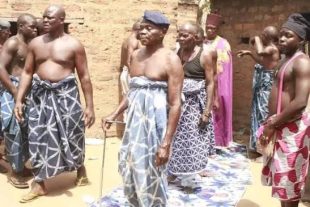
Community Life and Collective Responsibility
Among the Kulere people, community remains an important part of social life.
Extended families and wider community networks provide support during agricultural activities, family ceremonies, construction, celebrations, and difficult periods.
Communal cooperation has traditionally been important in rural life, particularly during farming seasons when families and neighbours may support one another in preparing land, planting, harvesting, and other agricultural activities.
This spirit of cooperation strengthens social bonds and reinforces the belief that the progress of an individual is closely connected to the wellbeing of the wider community.
Elders are respected as custodians of wisdom, cultural knowledge, and moral guidance, while younger generations are encouraged to uphold discipline, hard work, responsibility, and respect.
Christianity is widely practised among the Kulere people today, while elements of traditional customs and ancestral heritage continue to remain important in the cultural identity of many families and communities.
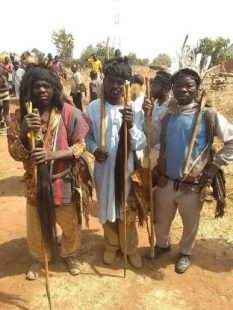
Traditional music, dancing, storytelling, communal celebrations, and cultural gatherings continue to provide important avenues through which Kulere identity is expressed.
A Popular Saying Among the Kulere People
The spirit of communal responsibility that characterises many Kulere communities can be reflected in the belief:
“A community grows stronger when its people stand together.”
This expression reflects the importance of cooperation, family support, unity, and shared responsibility in building peaceful and prosperous communities.
For the Kulere people, community life has traditionally depended on mutual assistance and the understanding that individuals are connected to their families and the wider society.
Like many African cultural traditions, the wisdom of the elders continues to emphasise hard work, unity, respect, responsibility, and the importance of preserving relationships.
Marriage and Family Values
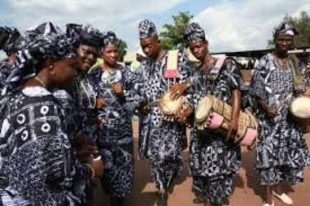
Marriage among the Kulere people is regarded as an important institution that connects families and strengthens relationships within the community.
Beyond the union of two individuals, marriage traditionally brings together families and creates new bonds of responsibility and cooperation.
Family consultations, the involvement of elders, communal participation, and cultural traditions have historically formed important aspects of marriage and family life.
The exact customs and practices may vary from one community and family to another, but the importance of family remains central to Kulere society.
Respect for parents and elders, responsibility towards relatives, loyalty, cooperation, and the upbringing of children are important values that continue to shape family life.
The extended family system has also traditionally played a significant role in providing social support and maintaining connections between generations.
Land, Agriculture, and Livelihood
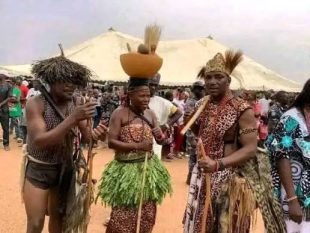
Agriculture remains central to the traditional livelihood of the Kulere people.
The fertile highland environment supports the cultivation of crops including maize, grains, potatoes, and various root crops, while other agricultural activities contribute to household food security and local exchange.
For many Kulere families, farming is more than an economic activity. It is closely connected to the rhythm of community life, family responsibility, and the relationship between the people and their ancestral land.
Historically, hunting and the use of surrounding natural resources have also formed part of the livelihood practices of communities living in the highland environment.
Today, agriculture remains important, while education, commerce, public service, professional careers, entrepreneurship, and other modern occupations continue to expand opportunities for Kulere sons and daughters.
Members of the Kulere community continue to contribute to the development of Plateau State and Nigeria in different fields, including education, business, public service, healthcare, politics, academia, and other professions.
Holding Firm in a Changing Society
Like many indigenous communities across Nigeria, the Kulere people face the challenges of modernisation, urban migration, economic pressures, cultural change, and the growing influence of dominant languages on younger generations.
The preservation of the Kulere language remains particularly important because language serves as a vessel for history, traditional knowledge, identity, and cultural memory.
Despite these challenges, the Kulere people continue to maintain strong connections to their ancestral communities through families, churches, cultural associations, traditional institutions, community organisations, and other social networks.
Efforts to preserve the language, document cultural traditions, encourage education, and maintain intergenerational relationships remain important to the future of the community.
For the Kulere people, preserving culture is not simply about remembering the past. It is about protecting identity, honouring ancestral heritage, strengthening the present, and ensuring that future generations remain connected to the traditions and values that have shaped their people.
Today, the Kulere people continue to stand as a proud symbol of cultural identity, linguistic heritage, agricultural resilience, and communal strength within Nigeria’s rich and diverse ethnic landscape.
Follow the Neptune Prime channel on WhatsApp:
Do you have breaking news, interview request, opinion, suggestion, or want your event covered? Email us at neptuneprime2233@gmail.com

