


The Verre People: Preserving identity, language, culture and community resilience, by Tawheed Yakub
The Verre people are one of the indigenous ethnic groups of Northeastern Nigeria, with a rich cultural heritage deeply rooted in present-day Adamawa State and neighbouring parts of the North-East.
Renowned for their strong communal values, agricultural traditions, and rich cultural identity, the Verre have preserved their unique customs and language despite centuries of social, political, and economic change.
The Verre predominantly inhabit the Benue Valley, the Verre Hills, and surrounding plains in the Fufore and Yola South Local Government Areas of Adamawa State, Nigeria, with some populations extending into Cameroon.
Historically, the Verre used their mountainous terrain to defend themselves against 19th-century slave raids from the expanding Adamawa Emirate. Their society is organised along patrilineal clans where family elders hold authority over land, marriage, and community disputes.
Their homeland, characterised by fertile plains, river valleys, and savannah vegetation, has shaped their traditional way of life, with farming, fishing, livestock rearing, and local trade serving as the backbone of the community.
For generations, the Verre people have maintained a cultural identity rooted in their language, oral traditions, family institutions, and ancestral heritage. Their history reflects resilience, adaptation, and a deep commitment to preserving the customs and values handed down through successive generations.
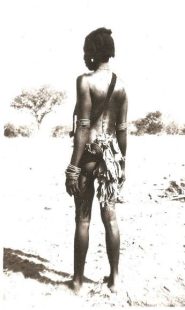
Language
The Verre language belongs to the Adamawa branch of the Niger-Congo language family and remains one of the strongest symbols of the people’s identity. Although many Verre people also speak Hausa, Fulfulde, and English, efforts to preserve the Verre language continue to play an important role in safeguarding their cultural heritage and historical continuity.
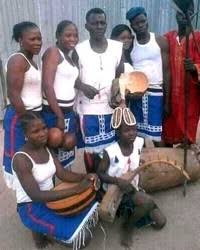
Communal Values
Respect for elders, hospitality, honesty, hard work, communal cooperation, and family responsibility remain defining characteristics of Verre society. These values continue to strengthen social relationships and promote unity within the community.
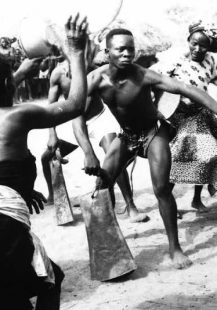
Origin and Heritage
The ancestral homeland of the Verre people lies within present-day Adamawa State, where they have lived for centuries alongside neighbouring ethnic communities. While much of their early history has been preserved through oral traditions, the Verre maintain a strong attachment to their ancestral lands and cultural institutions.
The fertile environment has supported farming, hunting, fishing, and trade for generations, making the land not only an economic resource but also a symbol of identity, belonging, and cultural continuity.
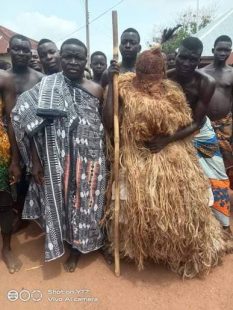
A People Rooted in Language, Tradition, and Heritage
Like many indigenous communities across Nigeria, the Verre people have traditionally preserved their history through oral transmission.
Stories of migration, ancestral origins, family lineages, traditional leadership, customs, and communal values have been passed from one generation to another through storytelling, songs, ceremonies, and cultural festivals.
The Verre language remains central to this heritage, serving as a vehicle for preserving knowledge, strengthening cultural identity, and connecting younger generations with their ancestors.
Traditional rulers, elders, and family institutions have historically played vital roles in maintaining social order, settling disputes, preserving customs, and guiding community affairs.
Throughout their history, the Verre people have maintained peaceful relationships with neighbouring communities through trade, inter-community cooperation, and cultural exchange while preserving their distinct identity.
Community Life and Collective Responsibility
Community life occupies a central place in Verre society. Extended families and community networks provide mutual support during farming seasons, marriages, festivals, naming ceremonies, house construction, and times of hardship.
Communal labour has long been an important feature of rural life, reinforcing the belief that the prosperity of the individual depends on the wellbeing of the entire community.
Elders are respected as custodians of wisdom, history, and cultural values, while younger generations are encouraged to uphold discipline, humility, responsibility, and respect.
Religion
Today, Christianity and Islam are widely practised among the Verre people, while elements of traditional beliefs and cultural practices continue to influence community life and cultural identity.
Traditional music, dances, storytelling, and seasonal festivals remain important expressions of Verre heritage.
The communal philosophy of the Verre people is reflected in the belief:
“A united people build a stronger future.”
This expression highlights the importance of cooperation, mutual respect, family solidarity, and collective responsibility in sustaining peaceful and prosperous communities.
For generations, the Verre people have regarded unity, respect, and shared responsibility as essential foundations of social harmony.
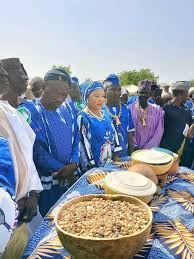
Marriage and Family Values
Marriage is regarded as one of the most important social institutions among the Verre people.
Traditionally, marriage is viewed not merely as the union of two individuals but as the coming together of two families, strengthening communal bonds through mutual respect and shared responsibility.
Family consultations, the involvement of elders, and adherence to cultural traditions have historically formed important parts of the marriage process.
Although customs may vary across communities, respect for parents, loyalty, responsibility, cooperation, and the proper upbringing of children remain enduring values within Verre society.
The extended family system continues to play a significant role in providing social support and preserving cultural continuity across generations.
Land, Agriculture, and Livelihood
Agriculture has traditionally been the foundation of the Verre economy.
The fertile lands of Adamawa State support the cultivation of crops such as maize, millet, sorghum, rice, yam, cassava, groundnuts, beans, and vegetables. Livestock rearing, fishing, and local commerce also contribute significantly to household livelihoods.
For many Verre families, farming represents more than an occupation; it is a way of life closely connected to family responsibility, cultural identity, and stewardship of ancestral land.
In recent decades, education, public service, business, healthcare, politics, entrepreneurship, and other professions have expanded opportunities for Verre sons and daughters, enabling them to contribute meaningfully to the development of Adamawa State and Nigeria
Modernisation
Like many indigenous communities across Nigeria, the Verre people continue to face the challenges of urbanisation, migration, economic transformation, and the declining use of indigenous languages among younger generations.
Preserving the Verre language remains essential because it carries the history, traditions, worldview, and cultural memory of the people.
Despite these challenges, Verre communities continue to maintain strong connections through traditional institutions, cultural associations, religious organisations, and extended family networks.
Efforts to promote education, document oral history, preserve indigenous knowledge, and encourage language revitalisation are helping to ensure that future generations remain connected to their cultural heritage.
Read Also: The Irigwe People: A journey through culture, identity and history, by Tawheed Yakub
Today, the Verre people stand as a proud symbol of Nigeria’s rich cultural diversity, reflecting resilience, unity, agricultural heritage, and a steadfast commitment to preserving their identity in an ever-changing world.
Follow the Neptune Prime channel on WhatsApp:
Do you have breaking news, interview request, opinion, suggestion, or want your event covered? Email us at neptuneprime2233@gmail.com

