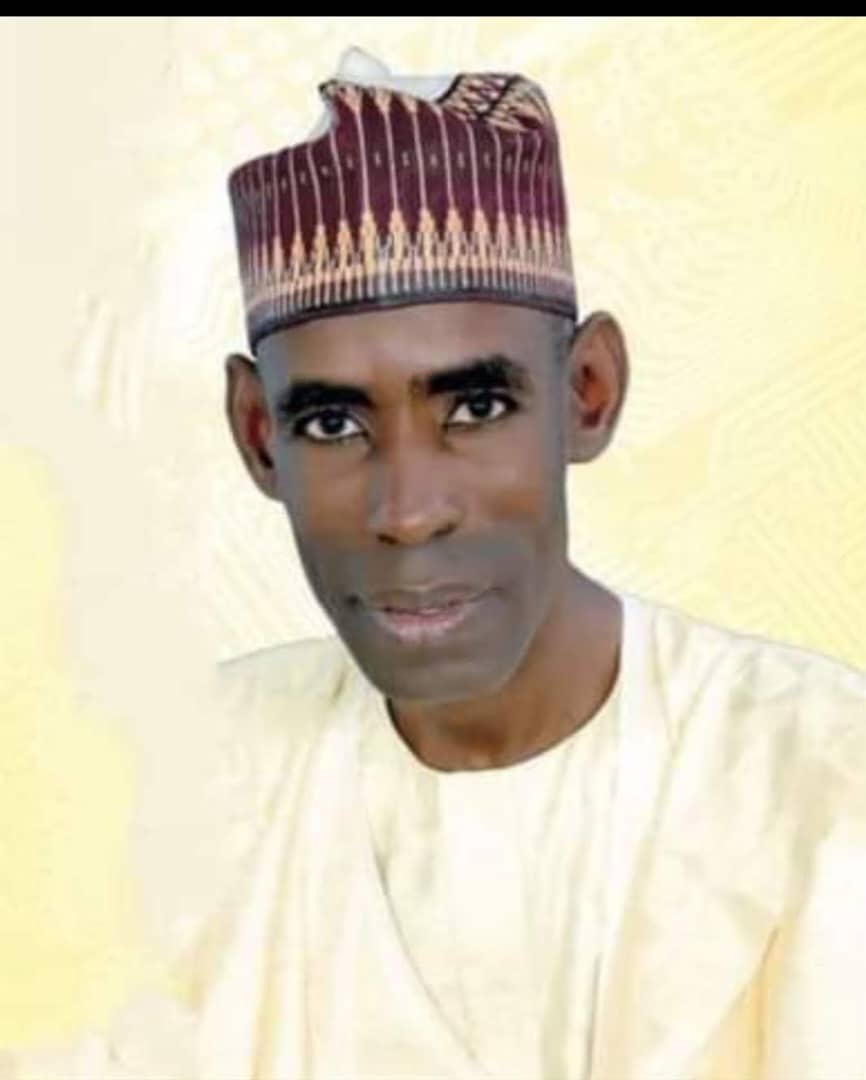
When power tests Kano’s conscience, by Engr. Bello Gwarzo Abdullahi, FNSE
As news spreads about Governor Abba Kabir Yusuf’s possible defection to the APC, many people in Kano are not arguing politics in abstract terms. They are asking something simpler and more personal: why? And beyond that—at what cost?
Defections are not new in Nigerian politics. We have seen them before, many times. Power shifts, alliances change, pressure mounts. That much is familiar. But what makes this moment different is where it is happening and who it affects. Kano is not just another state, and its people do not see political choices as casual or disposable.
In Kano, politics has always been tied to conscience. People here remember. They remember why they voted the way they did in 2019 and again in 2023. Those elections were not just about winning power; they were about rejecting something that felt wrong and choosing something that felt closer to their values. Many paid a price for that choice—emotionally, socially, even physically. That memory is still fresh.
READ ALSO: The Kano Gambit: A perilous shortcut, by Engr. Bello Gwarzo Abdullahi, FNSE
So when talk of defection arises, it doesn’t sound like strategy to the ordinary person. It sounds like walking away from a shared struggle.
Governor Yusuf did not come to office easily. His mandate was fought for, defended, and contested. Since then, he has governed under pressure—legal challenges, political hostility, and constant scrutiny. The people saw this and stood by him, believing the struggle was collective. That is why the idea of joining the same political structure Kano people consciously rejected feels like a personal wound to many.
It also raises uncomfortable questions. The APC today is not a party riding on goodwill. Across the country, people are angry, tired, and economically stretched. Prices are rising, insecurity persists, and hope feels fragile. Within the APC itself, divisions run deep. So people ask, quietly but sincerely: what exactly is being gained here? And just as importantly: what is being lost?
READ ALSO: The Kano Question: Why an APC switch could cost more than it gains, by Bello Gwarzo Abdullahi, FNSE
From the outside, this does not look like a move made from strength. It looks like stepping into a crowded house where loyalty is already claimed and debts are already owed. Those who might follow the governor do not arrive with bargaining power. They arrive needing accommodation. That reality matters.
Kano people are patient, but they are not forgetful. They give loyalty fully, but once trust is broken, it is rarely repaired. This is not stubbornness—it is history. From the days of Malam Aminu Kano, Kano has always valued standing firm over standing close to power. That tradition still lives in the hearts of ordinary people.
There is also a wider sadness beneath the anger. Nigerians are exhausted by a politics where parties no longer stand for ideas, only survival. Every defection to the ruling party deepens the feeling that voters no longer matter once elections are over. Democracy begins to feel like a ritual without meaning.
READ ALSO: 2027 won’t be a coronation, by Engr. Bello Gwarzo Abdullahi, FNSE
At a time when families are struggling to put food on the table and young people are losing faith in the future, political realignment feels distant from their pain. Whether intended or not, it sends the message that power calculations matter more than shared hardship.
No one argues that a governor should isolate himself from the Federal Government. Development requires cooperation. But cooperation is not the same as surrender. Working together does not require abandoning the platform that gave one legitimacy.
Kano spoke clearly when it voted. That voice was not borrowed; it was earned. To silence it now, in the name of convenience or safety, would hurt more than it helps.
READ ALSO: The North We Once Knew: Lessons in managed diversity, by Engr. Bello Gwarzo Abdullahi, FNSE
Leadership is not truly tested when things are easy. It is tested when standing firm is uncomfortable. Whatever choice is made will not be forgotten—not by history, and certainly not by Kano.
Written by Engr. Bello Gwarzo Abdullahi, FNSE.
Email:bgabdullahi@gmail.com
Follow the Neptune Prime channel on WhatsApp:
Do you have breaking news, interview request, opinion, suggestion, or want your event covered? Email us at neptuneprime2233@gmail.com