
The growing cost of saying “I Do” in an age of economic hardship, by Martha Gwary
In Nigeria today, the journey to the altar is becoming increasingly expensive, turning what was once a joyful celebration of love into a financial undertaking that many couples struggle to afford. From lavish venues and elaborate decorations to designer attire and multi-course catering, the cost of weddings has surged dramatically, forcing many intending couples and their families to rethink how they celebrate one of life’s most significant milestones.
Weddings as Grand Events
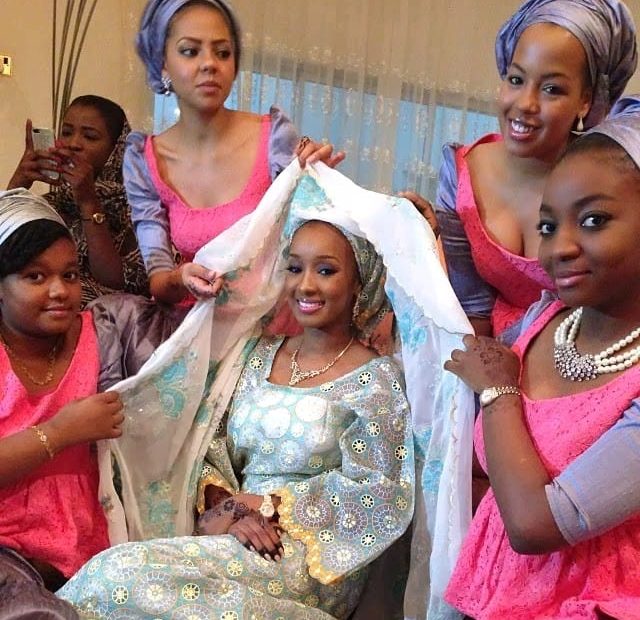
For decades, weddings in Nigeria have been grand social events. They are often characterised by colourful traditional ceremonies, church or mosque solemnisation, and elaborate receptions attended by hundreds of guests. However, in an era marked by economic hardship, rising inflation and declining purchasing power, the cost of saying “I do” has become a growing concern for many families.
Across major cities such as Abuja, Lagos and Port Harcourt, the price of wedding essentials has climbed steeply. Event halls that previously charged moderate fees now demand hundreds of thousands—or even millions—of naira for a single day. Catering services, decorations, photography, bridal makeup and music entertainment have all followed the same upward trend.
Industry insiders say the cost of organising a modest wedding can easily exceed several million naira, depending on the scale and expectations of the families involved. A standard wedding gown, for instance, can cost anywhere between ₦300,000 and ₦2 million, while bridal makeup artists charge from ₦100,000 upwards for premium services.
Professional photography and videography packages can run into hundreds of thousands, particularly when drone coverage and cinematic editing are included.
Catering costs have also surged, largely due to the rising price of food items. With inflation pushing up the cost of rice, meat, cooking oil and other essentials, feeding hundreds of guests at a reception has become a major financial burden. Caterers say the price per guest has doubled in some cases over the past two years.
Decoration—once a relatively minor expense—has also become a luxury service. Today’s wedding receptions feature elaborate floral arrangements, customised stage designs, LED screens and themed backdrops, all of which add significantly to the final bill.
Traditional Burden
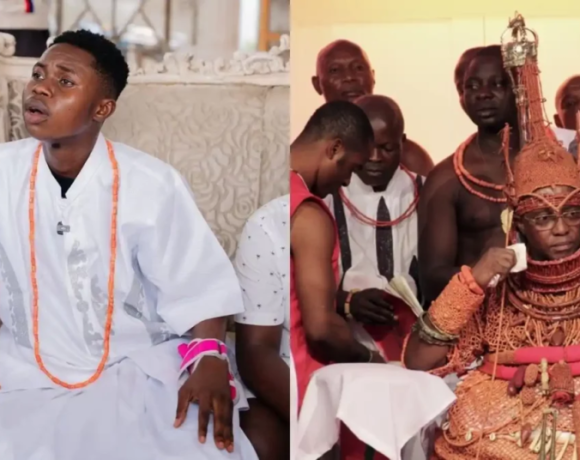
Beyond the formal wedding ceremony, traditional marriage rites—often referred to as the “introduction” or “traditional wedding”—can themselves involve substantial expenses.
Families may be required to provide long lists of items ranging from clothing and jewellery to beverages and livestock. While these customs reflect cultural heritage, they can place significant pressure on couples already struggling with the high cost of living.
For many young Nigerians, the dream of a lavish wedding is increasingly colliding with economic reality. Some couples now postpone marriage for years while trying to save enough money for the celebration. Others resort to loans or financial contributions from extended family members and friends.
Heavy Debts
Financial experts warn that beginning married life under heavy debt can create unnecessary strain on young households. They argue that couples should prioritise financial stability over societal expectations of extravagant celebrations.
Interestingly, the growing cost of weddings is gradually reshaping attitudes. A new trend towards smaller, more intimate ceremonies is emerging. Some couples are choosing simple registry weddings followed by modest receptions with close family and friends. Others are embracing destination weddings or private gatherings that reduce the scale—and cost—of the occasion.
Wedding planners say there is also a rising demand for budget-friendly packages, where services such as decoration, catering and photography are bundled together at discounted rates.
Influence of Social Media
Social media has further influenced this shift, with couples sharing creative ways to celebrate love without excessive spending.
Religious leaders and social commentators have also begun calling for moderation in wedding ceremonies. They argue that the essence of marriage lies in the commitment between two individuals rather than the extravagance of the event itself.
As Nigeria grapples with broader economic challenges, the institution of marriage remains cherished. Yet the rising cost of weddings is forcing society to reflect on what truly matters when two people decide to build a life together.
In an age of austerity, the question many couples now face is simple but profound: must love be celebrated lavishly, or can it thrive just as well in simplicity?
For many Nigerians preparing to walk down the aisle, the answer may ultimately determine not just how they say “I do”, but also how they begin their married life.