The Alago People: Preserving heritage and fostering unity through strong leadership, by Tawheed Yakub
The Alago are one of central Nigeria’s oldest and culturally distinguished ethnic groups, celebrated for their ancestral links to the historic Jukun Kingdom, their deep reverence for tradition, and their remarkable resilience through centuries of migration, interaction, and adaptation.
Predominantly found in Nasarawa State, especially in Keana, Doma, Obi, Awe, Agwatashi, Assakio, and Nasarawa town, the Alago people have contributed significantly to the cultural landscape of the region.
They are known for their legendary salt-mining tradition in Keana, colourful festivals, hierarchical leadership structures, and a cohesive community life. The Alago embody a heritage shaped by migration from the ancient Kwararafa confederacy, inter-ethnic diplomacy, and a strong agricultural foundation.
Despite modern influences and the spread of Islam and Christianity, the Alago continue to uphold a worldview anchored in ancestral honour, communal identity, and stewardship of land and tradition.
Link to the Jukun Kingdom
Alago history is closely tied to the ancient Jukun Kingdom of Kwararafa, from which their ancestors are believed to have migrated centuries ago.
Oral traditions recount that the early Alago left Wukari, journeying southwest until they settled in the rich plains of present-day Nasarawa State.
By the 1500s–1600s, Alago groups had established key settlements such as Keana (their earliest known seat), Doma, and Obi, each governed by distinct royal dynasties descended from their founding ancestors.
Unlike many stateless societies, the Alago operated a centralised, monarchic system built around revered traditional rulers—such as the Osana of Keana, Andoma of Doma, and traditional chiefs in other Alago towns. Leadership was hereditary, deeply spiritual, and linked to ancestral legitimacy.
Read also: The Jukun Tribe: Into the enduring traditions of the mighty Kwararafa Kingdom (Pictures)
The Alago became known for strategic diplomacy with neighbouring ethnic groups, skilled salt production, especially in Keana (a centuries-old practice), agricultural innovation in fertile lands, and warrior traditions that helped protect early settlements.
These traditions carried them through eras of inter-ethnic conflict, trade networks, colonial restructuring, and the evolution of Nasarawa State.
Culture and Tradition
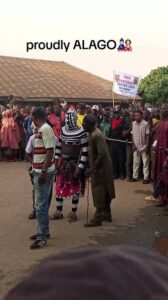
Alago culture is vibrant, symbol-rich, and heavily rooted in ancestral reverence. Social organisation is built around clans, extended families, and royal lineages that maintain identity, order, and continuity.
The Alago language, a Benue-Congo language, remains a key vessel of cultural memory, used in proverbs, folktales, ceremonial expressions, and everyday communication.
Traditional Alago religion honoured ancestral spirits and custodians of sacred groves, with rituals led by priests and custodian families.
Today, while Islam and Christianity dominate, many traditional values survive in festivals, naming rites, and royal ceremonies.
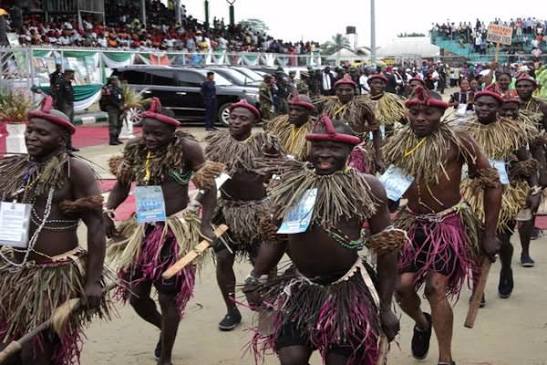
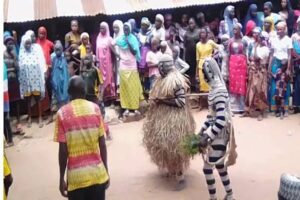
Alago artistic heritage includes masquerades symbolising ancestral presence and moral instruction.
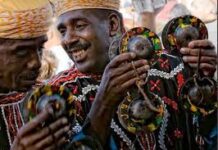
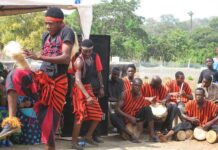
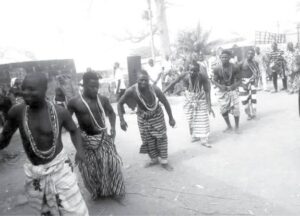
Festivals involving drums, flutes, chants, and colourful regalia.
Craftsmanship in pottery, weaving, and carving
Salt-making techniques were passed down over generations.
These cultural expressions highlight a people deeply committed to collective memory, identity, and creativity.

Marriage Customs
Marriage among the Alago is a respected institution symbolising unity between families and continuity of lineage. Traditional marriages follow a structured, dignified process guided by elders.
Key Features During Marriage
Presentation of kolanuts, drinks, yams, and symbolic items to the bride’s family.
Elders’ blessings and consultations. Cultural dances, drumming, celebratory songs and display of traditional attire and royal influences with communal feasting to mark the union.
Alago marriages emphasise respect, cooperation, and long-term harmony between families. Polygamy existed in the past but has reduced significantly in modern times. Wedding ceremonies remain colourful, warm, and deeply communal.
Socio-Economic Life
Agriculture stands at the heart of Alago life. With fertile land spread across their settlements, the Alago cultivate yams, rice, millet, guinea corn, sesame, cassava, and groundnuts.
Fishing is common in riverine areas, while Keana’s salt mining tradition remains a historic economic signature of the community.
Artisanship thrives through pottery, blacksmithing, traditional weaving, and craft production. In modern society, Alago sons and daughters excel in government service, education, security forces, business, media, and politics, expanding their influence across Nigeria.
Modern Times
Like many indigenous groups, the Alago face contemporary pressures that test their cultural continuity and communal stability:
Urban migration has weakened traditional language use, a gradual decline in cultural practices among younger generations, land disputes with neighbouring communities and limited economic development in some rural areas as well as erosion of artisanal traditions such as salt-mining.
Despite these challenges, the Alago continue to adapt, safeguard their heritage, and promote unity through cultural associations and royal leadership.
Ceremonies and Cultural Practices
Alago ceremonies reflect joy, reverence, and ancestral connection. Their ceremonies include the Ake (Yaku) Festival, a prominent celebration involving masquerades, dances, renewal rites, and communal unity.
Royal installation ceremonies honouring ancient dynasties and naming ceremonies to welcome children into their ancestral identity. They also observe the new yams and harvest celebrations, rites of passage for youth, and masquerade performances to teach morality, history, and courage.
Every cultural event reinforces the values of unity, respect, heritage, and continuity across generations.
The Alago people remain one of Nigeria’s most historically rooted and culturally resilient groups, proud, expressive, and deeply connected to their ancestral origins.
They continue to honour a tradition built on royalty, unity, creativity, and an enduring respect for their ancestors.
Follow the Neptune Prime channel on WhatsApp:
Do you have breaking news, interview request, opinion, suggestion, or want your event covered? Email us at neptuneprime2233@gmail.com