


The Bura Tribe of North-East Nigeria: Where communal strength meets ancestral heritage, by Tawheed Yakub
The Bura people are one of Nigeria’s ancient and culturally enduring ethnic groups, renowned for their strong communal spirit, deep historical consciousness, and enduring cultural identity in the North-East region.
They are celebrated for their rich traditions, strong kinship systems, agricultural expertise, and a worldview shaped by centuries of adaptation, spirituality, and collective responsibility.
The Bura are predominantly found in Borno and Adamawa States, with major concentrations in Biu, Hawul, Kwaya-Kusar, Shani, and surrounding communities, as well as parts of northern Cameroon.
Over generations, the Bura have played a significant role in the socio-political, cultural, and economic history of the Biu Plateau and adjoining regions, maintaining a distinct identity despite external influences and historical disruptions.
They are known for their well-structured traditional institutions, age-grade systems, farming traditions, festivals, and a strong sense of moral discipline rooted in ancestral values.
The Bura heritage reflects a people shaped by migration, settlement, environmental adaptation, and cultural continuity. Despite the spread of Christianity, Islam, colonial rule, and modern influences, the Bura continue to preserve a strong sense of identity grounded in tradition, language, and communal unity.
Historical Background and Origin
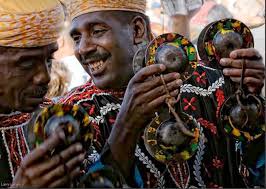
Bura history is largely preserved through oral traditions, folktales, ritual narratives, praise songs, and the memories of elders and lineage custodians.
According to these traditions, the Bura trace their origins to ancient settlements on the Biu Plateau, where they developed stable communities long before colonial contact.
Historically, the Bura were primarily agrarian people, known for terraced farming, effective land management, and communal labour systems adapted to the plateau environment.
Their strategic settlements also brought them into contact with neighbouring groups such as the Marghi, Kanuri, Babur, Kilba, Fulani, and Chibok, allowing for cultural interaction while preserving a distinct Bura identity.
Traditional governance among the Bura revolved around chiefs, councils of elders, lineage heads, and age-grade leaders, whose authority was derived from ancestry, moral integrity, wisdom, and spiritual legitimacy. These institutions regulated land use, conflict resolution, marriage, festivals, and social order. Through pre-colonial autonomy, colonial restructuring, insurgency-related challenges, and post-independence transitions, the Bura have sustained their identity through resilience, kinship, and cultural solidarity.
Culture and Tradition
Bura culture is deeply communal, ethical, and symbolic. Society is organised around extended families, clans, and age-grade systems that define duties, leadership roles, and rites of passage.
The Bura language, part of the Chadic language family, serves as a vital carrier of cultural memory, expressed through proverbs, storytelling, songs, and ritual communication.
Traditional Bura belief systems emphasised ancestral reverence, moral uprightness, communal protection, and respect for nature. Sacred sites, ritual objects, seasonal rites, and ancestral observances played central roles in community life. Although Christianity is now dominant and Islam is also practised, many traditional values continue to shape social conduct, ceremonies, and communal ethics.
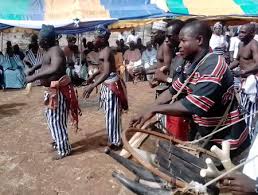
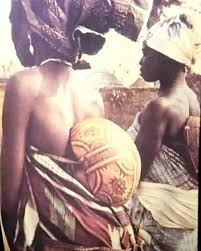
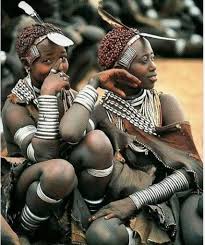
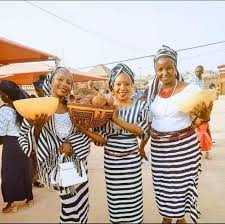
Bura cultural expressions include traditional music, drumming, and communal dances, masquerades and ritual performances, pottery, calabash decoration, and craftwork, traditional attire and symbolic adornment, folktales, proverbs, and moral storytelling.
These expressions reflect a people whose identity is preserved through collective participation, art, and oral heritage.
Marriage Customs
Marriage among the Bura is a highly respected institution symbolizing family continuity, social alliance, and moral responsibility.
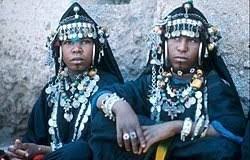
Traditional Bura marriage practices involve formal family introductions mediated by elders, negotiation and payment of bride price, often in the form of livestock, farm produce, and symbolic items, blessings and counsel from elders and lineage heads, communal celebrations with music, dance, and feasting, and rituals emphasising fertility, loyalty, and harmony.
Marriage is viewed not merely as a union between a man and a woman but as a bond between families and clans. Polygamy was traditionally practised, particularly among successful farmers, though it is less common today.
In modern times, Bura marriages often combine traditional rites with Christian, Islamic, or civil ceremonies.
Socio-Economic Life
Agriculture remains the foundation of Bura’s economic life. The Bura are skilled farmers who cultivate crops such as millet, sorghum, maize, rice, groundnuts, beans, yams, and vegetables, benefiting from the fertile soils of the Biu Plateau.
Other traditional economic activities include livestock rearing, hunting (historically), local trade and market exchange, pottery, weaving, and craft production.
In contemporary times, Bura men and women are increasingly involved in education, civil service, healthcare, security services, business, politics, and community development, contributing actively to regional and national growth.
Modern Times
Like many indigenous communities, the Bura face challenges linked to modernisation and insecurity, including declining use of the Bura language among youths, economic pressures and rural underdevelopment, displacement and social disruption due to conflict, cultural erosion through urbanisation and migration.
Despite these challenges, the Bura continue to affirm their identity through cultural festivals, community unions, traditional leadership institutions, faith-based organisations, and renewed efforts at heritage preservation and peacebuilding.
Ceremonies and Cultural Practices
Bura ceremonies reflect deep spirituality, communal solidarity, and reverence for ancestry. Key cultural practices include harvest and seasonal festivals, initiation rites marking adulthood, naming ceremonies integrating children into lineage identity, communal labour and feasting, storytelling, music, and dance, councils of elders and traditional dispute resolution.
Each ceremony reinforces core Bura values of respect for elders, hard work, moral discipline, cooperation, and cultural continuity.
The Bura people remain one of Nigeria’s historically rooted and culturally steadfast communities, resilient, adaptive, and deeply connected to their ancestral heritage.
From their ancient settlements on the Biu Plateau to their growing presence in modern institutions and professions, the Bura continue to uphold a legacy founded on unity, diligence, moral integrity, and respect for tradition.
Follow the Neptune Prime channel on WhatsApp:
Do you have breaking news, interview request, opinion, suggestion, or want your event covered? Email us at neptuneprime2233@gmail.com