Archaeologists’ discovery opens up forgotten chapter in human evolution
In the heart of the African desert, under the relentless sun of the Sahara, in the barren and deserted depths of Takarkori Cave, archaeologists have discovered a mystery that could shake the very foundations of human understanding.
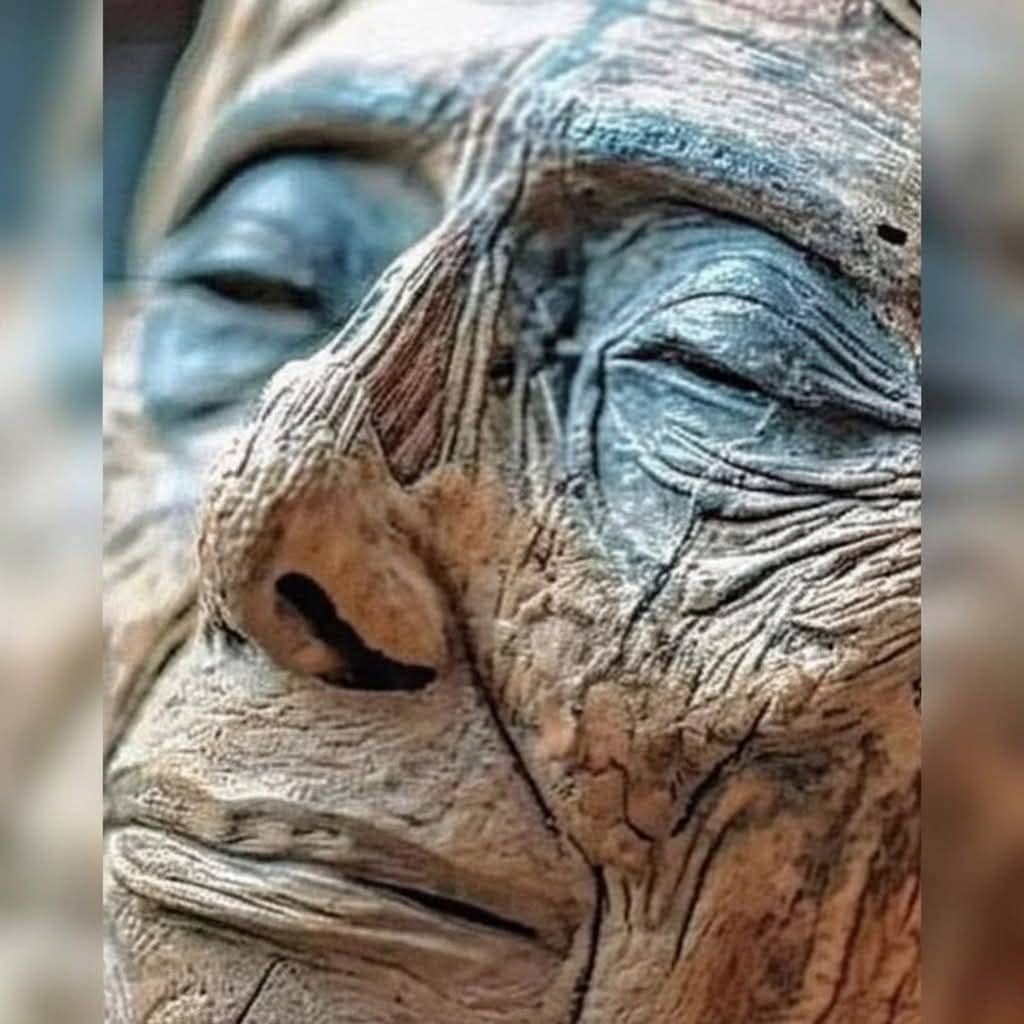
Two mummies, aged over 7,000 years, were discovered in excellent condition of preservation.
But what really surprises the scientific world is not the age of these women, it’s their DNA.
Because this DNA doesn’t match any known human species.
The study, published in Nature Magazine on April 2, 2025, raises a fascinating theory: These women may belong to a forgotten branch of a human family tree, a parallel human genealogy that has been isolated behind the Sahara’s insurmountable natural barriers for thousands of years.
READ ALSO: The Ancient City of Nineveh: From world-ruling empire to ruins of history, by Gift Luckson
Genetic analysis speaks for itself: No kinship links have been found between these individuals and the surrounding people.
This genealogy may have deviated from modern humans some 60,000 years ago.
What’s even more surprising is that their DNA contains traces of Neanderthal—traces of an ancient world where different human species once met, perhaps loved, and mutilated.
READ ALSO: The Ancient City of Agadez in Niger: A tale of resilience and revival, by Gift Luckson
This journey through time was made possible with the exceptional DNA preservation properties of a structure in the inner ear, known as “os pétreux” (fossil bone).
Like a crumpled page sustained by the wind in the desert, a forgotten chapter in human evolution has opened up again.
Follow the Neptune Prime channel on WhatsApp:
Do you have breaking news, interview request, opinion, suggestion, or want your event covered? Email us at neptuneprime2233@gmail.com