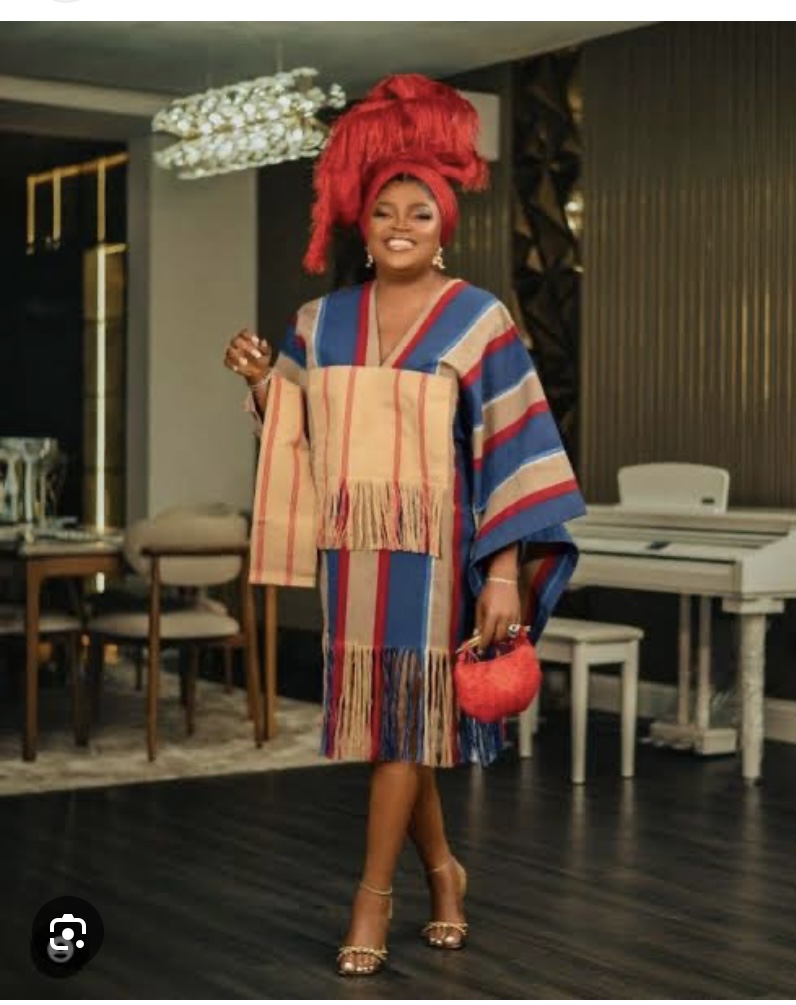
Aso Oke: Weaving tradition into global fashion excellence, by Farida Abba
Aso Oke is a traditional hand-woven fabric that’s a big deal in Nigeria, especially among the Yoruba people.
Origin
The name “Aso Oke” literally means “top cloth” in Yoruba, indicating its value and prestige.
This fabric is known for its intricate designs, vibrant colours, and durability.
Artisans weave Aso Oke on narrow looms, typically using cotton or silk threads.
The process is labour-intensive, requiring great skill and patience. Each piece is unique, reflecting the weaver’s creativity and craftsmanship.
READ ALSO: Adire Fashion Style: A timeless masterpiece of wearable art, by Farida Abba
Cultural Significance
Aso Oke isn’t just a fabric; it’s a symbol of cultural heritage and tradition. It’s often worn on special occasions like weddings, festivals, and coronations.
The fabric is usually paired with traditional attire like agbada (for men) or iro and buba (for women).
Worldwide Popularity
In recent years, Aso Oke has gained popularity beyond Nigeria, with designers incorporating it into modern fashion.
Despite this, it remains deeply rooted in Nigerian culture, representing tradition, craftsmanship, and community.
Modern Aso Oke fashion beautifully merges traditional Nigerian hand-woven fabric with contemporary silhouettes, creating sophisticated and culturally rich outfits for various events, from weddings to casual wear.
Modern Styles
The modern trend has expanded beyond traditional iro and buba to include gowns, suits, jumpsuits, and even modern separates like wide-leg pants and blazers, often incorporating elements like lace-cut designs, unique colour combinations, and patchwork.
READ ALSO: Abaya Gown Hybrid: The rise of modern and modest fashion in Africa, by Farida Abba
Design Techniques
The choice of the colour used in the making of the design for different Aso-Oke is a reflection of aspects of the beliefs and life of the Yoruba people and is usually passed down from one generation to another within family lines.
The patterns represent forms of non-verbal communication with each design telling a story. Traditionally, the materials used in the past were locally sourced and included native cotton, silk from caterpillar cocoons, and threads dyed with indigo.
The fabric design tools for the weaving include the Akata (propeller), Iye (the long wheel), Akawo (short wheel), Gowu and Kikgun (rollers), Aasa (strikers), Omu (extender used in holding the reel), and Sanrin (metallic peg).
The technique involves several steps, which include preparing the yarn, which in most cases is made from dyed cotton or silk, setting the loom, and then weaving the fabric.
The cotton used in making Aso-oke is hand-made into thread, which is combined with other materials in the production.
The yarn is made from natural materials such as onion skin and bark, after which it is made into threads and rolled onto bobbins.
After the yarn is made, the loom is set into two frames consisting of two vertical posts and a horizontal beam. The thread from the warp, which runs vertically, is wound on the beam and threaded through small metal or wooden frames called heddles, which help control the warp thread.
The threads that run horizontally (called the weft) are then woven into the fabric with the controlled use of a shuttle through a technique known as pick and pick, which involves alternating between the two weft threads, thereby making a pattern on the fabric.
Follow the Neptune Prime channel on WhatsApp:
Do you have breaking news, interview request, opinion, suggestion, or want your event covered? Email us at neptuneprime2233@gmail.com