Berom Heritage: A culture of hard work, harvests, and heartfelt hospitality, by Tawheed Yakub
The Berom (Birom) people are one of the oldest and most influential ethnic groups of Plateau State, renowned for their ancestral connection to the Jos Plateau, centuries-old traditions, and deeply rooted communal identity.
They are predominantly found in Jos North, Jos South, Barkin Ladi, and Riyom, the Berom continue to play a defining role in the cultural landscape of North central Nigeria.
Read also: The Bassa Nge People: A showcase of heritage, festivals, and skilled craftsmanship, by Tawheed Yakub
Recognised for their vibrant festivals, agricultural heritage, and historical iron-smelting tradition, the Berom have preserved a cultural worldview shaped by resilience, spirituality, and adaptation to political and social changes across generations.
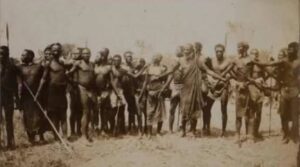
Historical Background
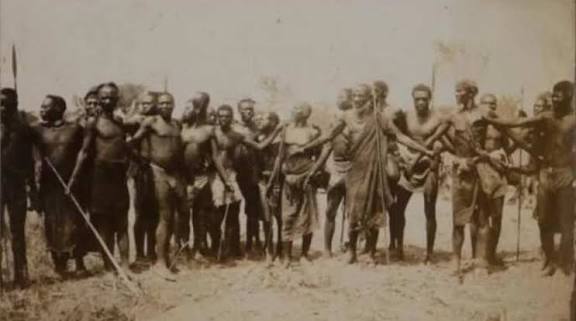
Berom oral history traces their origin to the ancient inhabitants of the Plateau highlands, where they lived as hunters, farmers, and craftsmen long before the onset of colonial contact. Their settlements evolved into independent chiefdoms led by clan heads and respected elders.
While historically decentralised, the creation of the Gbong Gwom Jos chieftaincy during the colonial era unified the Berom under a paramount traditional authority. This institution remains central to the cultural and political identity of the Plateau.
The Berom are known for their historical expertise in iron-smelting, territorial defence, and sustainable farming, which enabled them to thrive in the rugged Jos terrain.
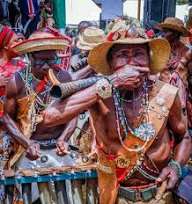
Culture and Identity
Language remains a vital cultural marker. The Berom language, part of the Plateau branch of the Benue-Congo family, preserves centuries of folklore, proverbs, ritual expressions, and ancestral memory.
Read also: The Tiv People: Guarding traditions that stand strong through generations, by Tawheed Yakub
Traditional religion is centred on Dagwi, the Supreme Being, alongside reverence for ancestral spirits. While Christianity is now dominant, elements of traditional spirituality remain evident in festivals, rites of passage, and symbolic rituals.
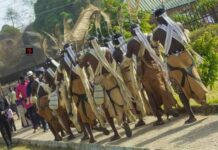
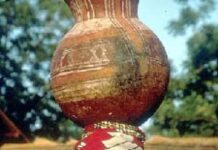
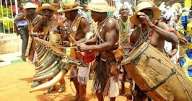
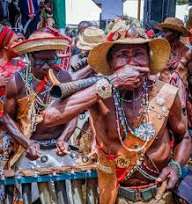
Berom artistic expression is equally rich. Their cultural life includes the Nzem Berom Festival, the largest showcase of cultural unity and harvest thanksgiving, hunting and warrior dances accompanied by drums and horns, masquerade performances with ancestral significance, and crafts such as pottery, weaving, ironwork, and woodcarving.
These artistic forms reflect a community deeply rooted in imagination, history, and spiritual symbolism.
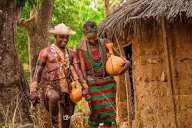
Marriage Customs
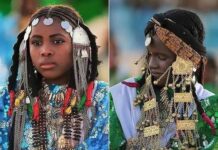
Marriage within Berom society symbolises unity and cooperation between families. The process traditionally involves gift exchanges, blessings from elders, prayers for prosperity, and the presentation of the bride in full Berom attire.
Celebrations are marked by drumming, dance, feasting, and communal participation, underscoring the importance of family bonds and social continuity.
Economic and Social Life
Agriculture remains the foundation of the Berom livelihood. The fertile Plateau uplands support the cultivation of potatoes, acha (fonio), maize, millet, yams, fruits, and vegetables. Livestock rearing, especially goats, cattle, and poultry, complements farming activities.
The Berom also played a significant role in the emergence of tin mining in Jos, which attracted migrants from across Nigeria and reshaped the region’s economy.
Today, Berom sons and daughters excel in politics, education, security services, business, and the creative industries, contributing significantly to the growth and stability of Plateau State.

Contemporary Challenges
Like many indigenous groups in Nigeria, the Berom face a range of challenges, including land disputes and territorial encroachment, security threats in rural communities, declining use of the indigenous language among urban youth, and economic pressures linked to rural underdevelopment.
Despite these obstacles, the Berom continue to safeguard their heritage through cultural organisations, community leadership, and sustained efforts to preserve traditional festivals, language, and arts.
Ceremonies and Community Life
Ceremonies remain central to Berom identity. The Nzem Berom festival, new-harvest celebrations, youth rites of passage, and ancestral dances continue to strengthen social harmony and cultural pride. These gatherings promote unity, reinforce collective memory, and ensure that traditional values are passed from one generation to the next.
The Berom people stand today as custodians of one of Nigeria’s most enduring highland civilisations. From their ancient craftsmanship to their modern achievements, they embody resilience, creativity, and an unbroken connection to their ancestral homeland on the Jos Plateau. Their contributions continue to enrich the social, cultural, and political fabric of Plateau State and Nigeria at large.
Follow the Neptune Prime channel on WhatsApp:
Do you have breaking news, interview request, opinion, suggestion, or want your event covered? Email us at neptuneprime2233@gmail.com