
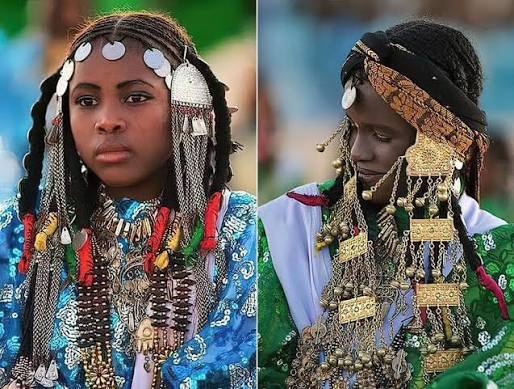
The Mafa People: A legacy of ancestral reverence, unity, and hard work in Northeast Nigeria, by Tawheed Yakub
The Mafa people of Northeastern Nigeria are a resilient and close-knit community, celebrated for their rich cultural heritage, agricultural expertise, and unwavering communal values.
Known for their industriousness and strong social cohesion, the Mafa have preserved their identity despite centuries of migration, inter-ethnic interaction, colonial disruptions, and the pressures of modern life.
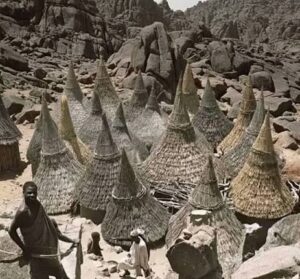
Predominantly residing in Borno State, especially in Mafa, Monguno, Biu, and surrounding areas, their ancestral lands stretch across rugged hills, fertile valleys, and rocky terrains, landscapes that have shaped their farming practices, settlements, and defensive strategies.
Over generations, the Mafa have played a vital role in shaping the socio-cultural and economic fabric of Northeastern Nigeria, holding fast to traditions that emphasise respect for elders, loyalty to kin, and the importance of collective responsibility.
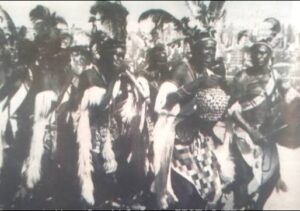
Historical Background and Origin
Mafa history is kept alive through oral traditions, folktales, rituals, and the wisdom of elders. Linguistically, the Mafa language belongs to the Biu-Mandara branch of Chadic languages, connecting them to other Northeastern Nigerian and Cameroonian groups.
Traditionally, the Mafa lived in fortified hilltop and valley communities, structured around clans and extended families. These settlements offered protection and supported subsistence agriculture.
Interactions with neighbouring groups like the Kanuri, Mandara, and Higi allowed cultural exchange while maintaining a distinct Mafa identity.
Leadership was guided by village heads, clan elders, and ritual authorities, respected for wisdom, bravery, and moral standing.
These leaders oversaw land use, marriage negotiations, conflict resolution, farming cycles, and communal duties. While colonial rule altered governance, traditional structures remain influential to this day.
Culture and Tradition
Mafa culture is communal, disciplined, and deeply rooted in shared values. Life revolves around family, clan, and village, with defined roles for men, women, youth, and elders. Cooperation in farming, construction, ceremonies, and crisis management forms the backbone of daily life.
The Mafa language is central to identity, expressed through proverbs, storytelling, songs, and rituals. Oral literature preserves history, ethics, and social norms, while traditional beliefs emphasise ancestral respect, honesty, courage, hospitality, and harmony with nature.
Today, Islam predominates, complemented by Christianity and traditional practices. A local saying captures their philosophy: “A Mafa man’s strength lies in his people.”
Cultural expressions include drumming, string and flute music, communal dances, ceremonial attire, and storytelling, all reinforcing discipline, unity, and moral values.
Marriage Customs
For the Mafa, marriage is more than a union of individuals—it is a bond between families and clans, symbolising continuity, alliance, and honour.
Customs involve family introductions, elder-led negotiations, bride price (often livestock or farm produce), blessings, moral counsel, and communal celebrations with music and dance. Polygamy was traditionally practiced but has declined due to economic and social changes. Today, marriages often blend traditional customs with Islamic rites and civil ceremonies.
Socio-Economic Life
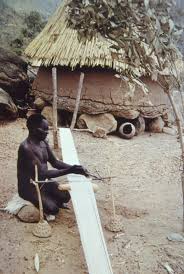
Agriculture forms the backbone of Mafa livelihoods. Skilled farmers cultivate millet, sorghum, maize, beans, groundnuts, and vegetables, thriving on Borno’s fertile soils and seasonal rains. Other traditional trades include livestock rearing, local crafts, pottery, and weaving.
Modern Mafa people actively participate in education, civil service, healthcare, business, politics, and religious leadership, contributing to the region’s development while staying grounded in their heritage.
Modern Times
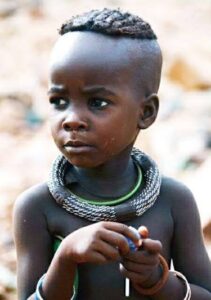
The Mafa, like many indigenous communities, face challenges: language decline among urban youth, economic pressures on farmers, land disputes, migration, population growth, and cultural erosion. Yet they continue to safeguard their identity through festivals, traditional leadership, mosques, community unions, and youth associations, ensuring their heritage endures.
Ceremonies and Cultural Practices
Mafa ceremonies reflect faith, communal cooperation, and reverence for ancestry.
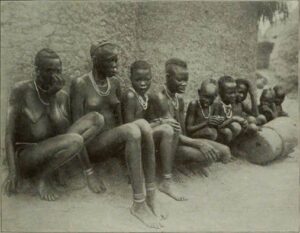
Events such as harvest festivals, naming ceremonies, marriages, funerals, communal labour, music and dance gatherings, and council-led conflict resolution uphold values of respect, hard work, courage, unity, and social responsibility.
From the hills and valleys of Borno to modern towns and institutions, the Mafa demonstrate that tradition and modernity can coexist, preserving a legacy built on community, discipline, and resilience.
Follow the Neptune Prime channel on WhatsApp:
Do you have breaking news, interview request, opinion, suggestion, or want your event covered? Email us at neptuneprime2233@gmail.com