CBN sets sights on banking stability, fintech oversight and inflation control in 2026
Story by Martha Gwary
The Central Bank of Nigeria (CBN) has outlined banking system stability, tighter regulation of financial technology firms, inflation control and the modernisation of payments infrastructure as the core pillars of its reform agenda for 2026.
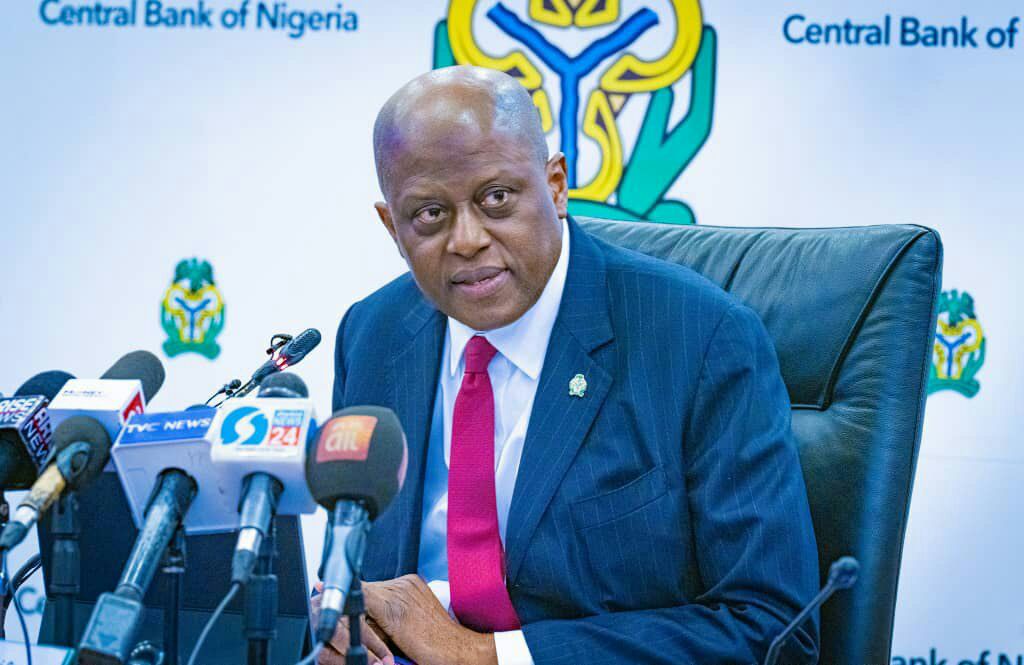
The priorities were disclosed in a statement by the CBN Governor, Mr Olayemi Cardoso, posted on X (formerly Twitter), in which he set out the apex bank’s focus areas for the year ahead.
The agenda underscores a continuation of the Bank’s reform-driven approach, with renewed emphasis on restoring confidence in the financial system, strengthening macroeconomic stability and supporting sustainable economic growth.
According to Cardoso, reinforcing the banking system through rigorous supervision and improved corporate governance remains central to the CBN’s strategy, noting that a resilient banking sector is essential for maintaining public confidence and driving economic expansion.
“As we begin 2026, our priorities are clear: we will continue to strengthen the banking system through rigorous supervision and sound governance; refine our inflation-targeting framework to deliver durable price stability; modernise the payments infrastructure to improve efficiency and inclusion; and foster responsible fintech innovation anchored on consumer protection and financial integrity,” he said.
READ ALSO: CBN instructs banks to reconfigure ATMs, POS terminals for foreign card use
He stressed that inflation control remains at the heart of the CBN’s mandate, adding that the Bank would deploy more disciplined, data-driven monetary policy tools to anchor inflation expectations and stabilise the economy.
On the fast-growing fintech sector, Cardoso said the CBN would encourage responsible innovation while ensuring robust consumer protection and financial integrity, warning that innovation must be balanced with effective regulation to mitigate systemic risks.
The Governor also disclosed plans to deepen strategic partnerships aimed at strengthening Nigeria’s credibility and reinforcing its standing as a trusted, forward-looking central bank.
Nigeria’s financial system has come under increasing strain in recent years, weighed down by elevated inflation, exchange rate volatility and a rising cost of living, developments that have prompted aggressive monetary tightening and regulatory reforms by the CBN.
At the same time, the rapid expansion of fintech firms has broadened access to financial services but has also raised concerns over consumer protection, regulatory arbitrage and potential systemic vulnerabilities.
READ ALSO: CBN revises cash withdrawal limits for individuals, corporates
Against this backdrop, Cardoso said the CBN would modernise Nigeria’s payments infrastructure to deepen financial inclusion, lower transaction costs and improve efficiency, particularly for underserved segments of the population.
He further revealed plans to strengthen the Bank’s internal capacity through the deployment of data analytics and artificial intelligence-enabled tools to enhance decision-making, policy implementation and regulatory oversight.
The CBN’s 2026 agenda points to a sustained preference for stability over short-term stimulus, with policies designed to rebuild trust in the financial system and anchor long-term economic growth.
For banks and fintech operators, the message signals stricter supervision and clearer regulatory expectations, while for the wider economy, sustained inflation control and improved payment systems could help reduce transaction frictions and support economic activity.
Overall, the statement reinforces the CBN’s view that economic reform is a gradual process requiring discipline and consistency, as it seeks to entrench lasting stability in Nigeria’s economy
Follow the Neptune Prime channel on WhatsApp:
Do you have breaking news, interview request, opinion, suggestion, or want your event covered? Email us at neptuneprime2233@gmail.com