


Education Begins at Home: Teaching our daughters about breast health, by Fatima Ma’aji Muhammad
Breast health education should begin at home, not in the hospital. In many Nigerian families, conversations about the female body are treated as embarrassing or inappropriate. But silence does not protect our daughters. Education does.
Parents must create a safe space where young girls feel comfortable talking about changes in their bodies. As puberty begins, mothers should explain what normal breast development looks like and encourage their daughters to report any unusual lump, discharge, or persistent change without fear.
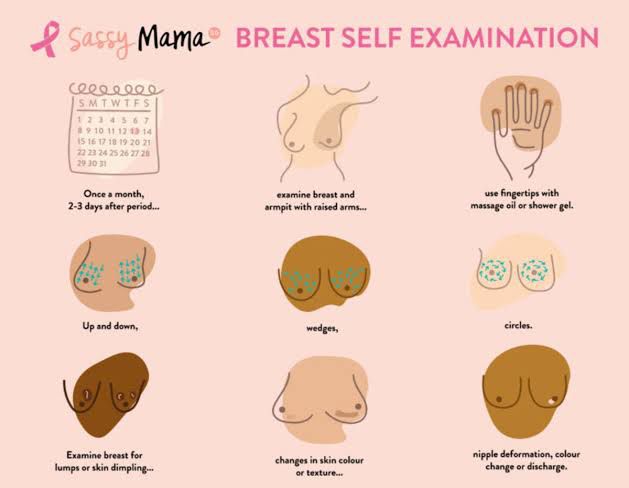
Young women should learn to examine their breasts 7 to 10 days after menstruation by looking for visible changes and gently feeling for lumps. However, it is important to understand that breasts are naturally not completely smooth. Normal breast tissue can feel slightly lumpy or firm, especially during the week leading up to a menstrual period.
So how do you know what is abnormal?
A concerning lump is usually hard, clearly different from the surrounding tissue, persistent after the menstrual cycle, and often painless. Any skin dimpling, nipple inversion, unusual discharge, or swelling that does not go away should also be checked.
READ ALSO: Be Kind to Your Body: Tips for healthy living, by Fatima Ma’aji Muhammad
Most importantly, teach them that seeing a doctor early can prevent complications and save lives. Most breast lumps are not cancer, but only a medical examination can confirm that. Early detection makes treatment easier and more successful.
When we replace shame with knowledge and silence with conversation, we give our daughters power and protection.
By Fatima Ma’aji Muhammad, student at Helwan University, Cairo, Egypt.
Follow the Neptune Prime channel on WhatsApp:
Do you have breaking news, interview request, opinion, suggestion, or want your event covered? Email us at neptuneprime2233@gmail.com