Gambling and the false promise of instant riches among young people, by Martha Gwary
As betting shops and online platforms spread across Nigeria, thousands of young people are being lured by false promises of quick wealth. Behind the bright adverts and jackpot claims lie stories of addiction, debt, broken dreams and, in some cases, death.
Gambling: A Silent Terror
Gambling has quietly become one of the most destructive habits among Nigeria’s youth, thriving on economic hardship, mass unemployment and desperation.
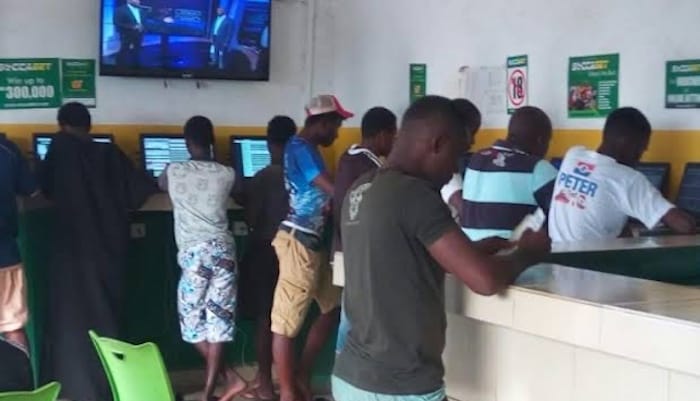
From street-corner betting shops to mobile phone apps, gambling is now available 24 hours a day, offering young people what appears to be an easy escape from poverty.
For many, that escape has turned into a trap.
From Hope to Addiction
What often begins as a harmless wager quickly escalates into addiction. Young gamblers speak of “chasing losses”, placing bigger bets in the belief that one final win will solve all their problems.
In Lagos, a 25-year-old graduate, now unemployed, reportedly lost his NYSC allowance and borrowed money meant for rent to online football betting.
READ ALSO: Homecoming to Death: The tragic fate of Nigerian returnees, by Martha Gwary
Friends said he became withdrawn and anxious, convinced he was “one game away” from recovery.
Instead, his debts mounted, and he reportedly abandoned plans for further studies after slipping into depression.
According to psychologists, this pattern is common.
“Gambling addiction works like substance abuse,” said Dr Tunde Akinwale, a clinical psychologist in Ibadan. “The brain keeps expecting a reward. Losses do not discourage the addict; they push him to gamble more.”
Selling Dreams, Hiding Losses
The gambling industry thrives on illusion. Advertisements celebrate rare jackpot winners, celebrity endorsements and social media testimonials, while ignoring the millions who lose daily.
In Enugu, a final-year polytechnic student reportedly sold his laptop and mobile phone to fund betting after watching online videos of supposed winners. He lost the money, failed to complete his project on time and was forced to repeat the academic year.
A Dangerous Mindset
Experts warn that such stories reflect a dangerous mindset taking root among young Nigerians — the belief that luck, not skills or education, is the fastest route to success.
“Gambling promotes a culture of shortcuts,” said Dr Akinwale. “It destroys discipline, patience and long-term thinking.”
Debt, Crime and Desperation
Financial ruin is one of gambling’s most visible consequences. Many youths lose school fees, business capital and savings, then turn to digital loan platforms with crippling interest rates.
In Ibadan, a young trader reportedly lost over ₦2 million meant for his business after staking heavily on virtual games. When he tried to recover the money through more betting, he sank deeper into debt.
He later shut down his shop and went into hiding as loan app agents allegedly harassed his contacts.
Criminal Compensation
Security analysts say gambling-related debts have pushed some youths into theft, internet fraud and other criminal activities.
READ ALSO: When Online Posts Become Fatal: Exposing the dark side of social media in Nigeria, by Martha Gwary
“When young people are desperate and ashamed, crime becomes an option,” said a senior police officer who asked not to be named.
When Loss Turns Tragic
Recently, a 300-level student of the Ibrahim Babangida University, Lapai, in Niger State, Kelvin Danlami, committed suicide.
Kelvin, a Computer Science student of the institution, was said to have killed himself on Monday after he lost the house rent money kept in his custody to gambling.
Friends and family revealed that the student had been struggling with gambling habits.
Overwhelmed by the financial loss and its consequences, the student reportedly took the drastic step to end their life.
In several parts of the country, gambling has been linked to suicide. Media reports from the South-West and South-South have documented cases of young men taking their own lives after losing large sums and being unable to repay borrowed money.
In some instances, messages left behind cited gambling losses, shame and hopelessness.
“These are preventable deaths,” said Mrs Funke Ojo, a social worker in Abeokuta. “Many of these young people never planned to die; they simply saw no way out.”
The damage extends beyond individuals. Families are forced to cover debts, relationships collapse, and trust is destroyed.
Parents who struggled to educate their children watch helplessly as gambling wipes away years of sacrifice.
Community leaders warn that entire neighbourhoods are being affected as young people abandon productive work for betting shops.
“We are raising a generation that believes money comes from luck, not labour,” said a community leader in Ogbomosho. “That is dangerous for society.”
Weak Regulation and Aggressive Marketing
Despite age restrictions, betting platforms remain easily accessible to minors. Gambling adverts dominate football broadcasts, social media and street billboards, often targeting young men.
Experts argue that regulation has failed to keep pace with the industry’s growth.
“The government is earning revenue, but the social cost is enormous,” said an economist at the University of Lagos. “We are sacrificing our youth to betting taxes.”
The Way Forward
Experts call for urgent action: stricter regulation of betting companies, limits on advertising, enforcement of age restrictions and compulsory responsible-gaming warnings.
They also stress the need for mental health support and public education.
READ ALSO: POS in Nigeria: A lifeline for convenience, and a channel for crime, fraud, by Martha Gwary
More importantly, analysts say tackling unemployment and poverty is key.
“As long as young people feel trapped and hopeless, gambling will flourish,” said the economist.
Until meaningful action is taken, gambling will continue to sell dreams it cannot deliver, quietly ruining lives, families and the future of Nigeria’s youth.
Follow the Neptune Prime channel on WhatsApp:
Do you have breaking news, interview request, opinion, suggestion, or want your event covered? Email us at neptuneprime2233@gmail.com