Lemurs: Fierce-looking yet remarkably social and distinctive, by Gift Luckson
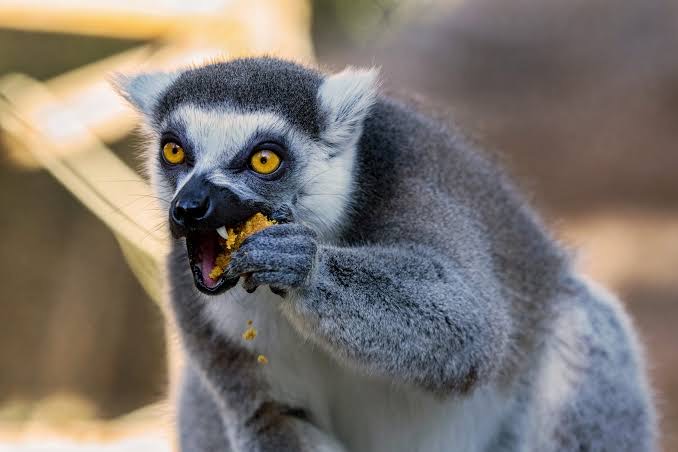
Lemurs are among the most unique primates on Earth, found exclusively on the island of Madagascar and its neighbouring Comoros islands.
Their long isolation from other primate species has allowed them to evolve remarkable traits that set them apart in the animal kingdom.
One of the most distinctive features of lemurs is their extraordinary diversity. There are over 100 known species, ranging from the tiny mouse lemur—one of the smallest primates in the world—to the large and vocal indri. Each species has adapted to a different ecological role, showcasing wide variation in size, behaviour, diet, and appearance.
Lemurs also display unique social structures. Many species have female-dominant societies, a rare trait among mammals. Their communication is equally fascinating; lemurs rely on a combination of vocal calls, scent marking, and facial expressions to maintain social bonds and mark territory.
READ ALSO: Nafisa al-Bayda’s journey from servitude to remarkable wealth and power, by Gift Luckson
Another hallmark of lemurs is their highly specialised behaviours. Some species, like the sifakas, are famous for their incredible leaping ability, propelling themselves from tree to tree with powerful hind legs.
Others show unusual feeding habits, such as the aye-aye, which uses an elongated middle finger to tap on wood and extract insects—a behaviour not seen in any other primate.
Lemurs highlight the importance of conservation. They are among the most endangered mammals in the world, threatened by habitat loss, hunting, and environmental changes. Because of these threats and their declining numbers, the International Union for Conservation of Nature (IUCN) considers lemurs to be the world’s most endangered mammals, noting that as of 2013, up to 90% of all lemur species are threatened with extinction in the wild within the next 20 to 25 years.
Their distinctiveness makes them not only biologically valuable but also powerful symbols of Madagascar’s rich but fragile biodiversity.
READ ALSO: The Ancient City of Agadez in Niger: A tale of resilience and revival, by Gift Luckson
Lemurs are generally the most social of the strepsirrhine primates, living in groups known as troops. Lemurs have a relatively low basal metabolic rate, and as a result, may exhibit dormancy such as hibernation or torpor. Most eat a wide variety of fruits and leaves, while some are specialists. Two species of lemurs may coexist in the same forest due to different diets.
Follow the Neptune Prime channel on WhatsApp:
Do you have breaking news, interview request, opinion, suggestion, or want your event covered? Email us at neptuneprime2233@gmail.com