Nigeria’s Tuberculosis Emergency: Time to close the funding gap and turn commitment into action
A woman in rural Northern Nigeria coughs through the night.
She has been coughing for weeks. Not because she does not care. Not because she refuses treatment. But because the nearest diagnostic facility is far. Because transport fares compete with feeding her children. Because stigma often speaks louder than science. By the time she is diagnosed, the infection has advanced and may already have spread within the crowded household.
Every day in Nigeria, an estimated 1,200 to 1,300 people develop tuberculosis — more than 50 every hour. These cases rarely make headlines or trigger breaking news alerts. Instead, they unfold quietly in homes, markets, schools and remote communities where access to testing remains limited.
Nigeria remains among the highest TB-burden countries globally and ranks first in Africa. Hundreds of thousands fall ill each year. Although notification and treatment coverage have improved, many people with the disease are still missed, allowing transmission to continue and progress toward global End TB targets to lag behind expectations.
READ ALSO: Harsh Realities: The triple threat of sun exposure, climate change, tuberculosis in the workplaces
Behind the statistics lie structural weaknesses. World Health Organization estimates show a severe financing shortfall, with domestic resources covering only a fraction of national needs while the majority of the programme budget depends on donors. Such dependence threatens sustainability and leaves lifesaving services vulnerable whenever external priorities change.
The consequences are immediate. Funding gaps slow the expansion of modern diagnostics, weaken community case-finding, and limit outreach to people who live far from health facilities. When technologies such as GeneXpert machines are absent across many local government areas, delays become deadly.
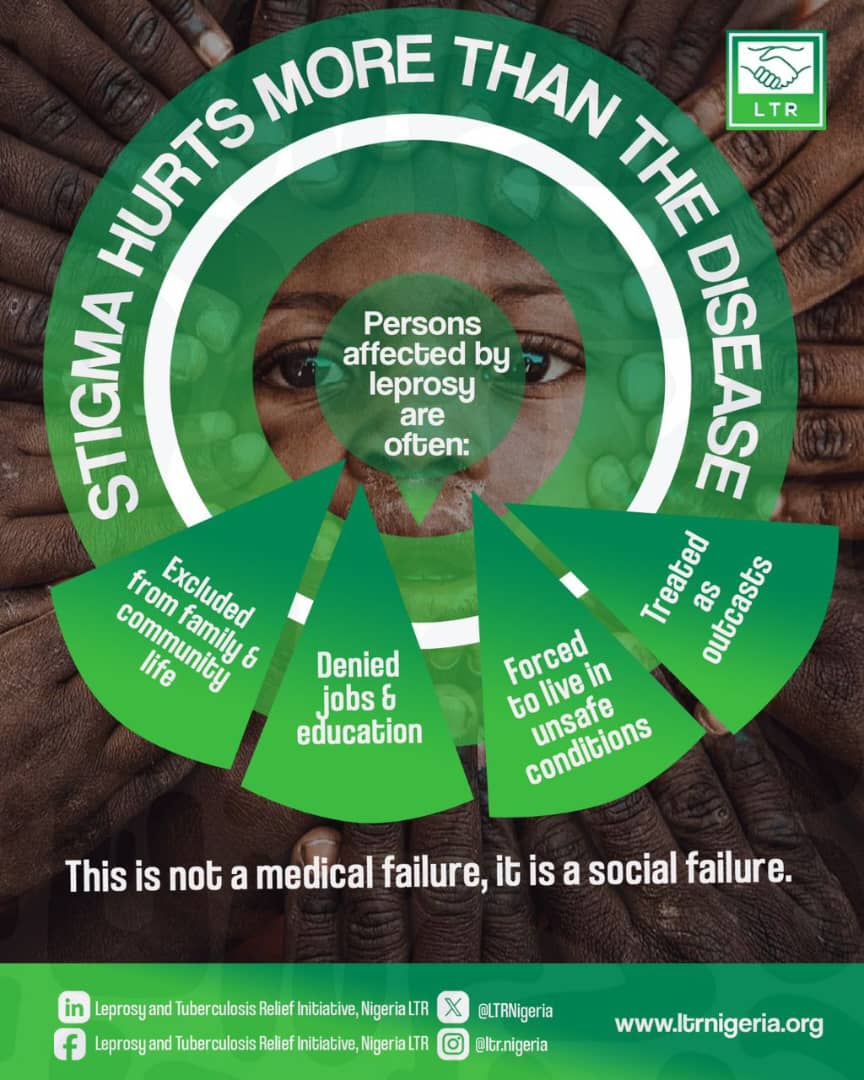
Beyond money, tuberculosis is sustained by silence. Myths and stigma discourage people from seeking care, prolong infectious periods, and trap families in cycles of fear. One untreated individual can infect many others within a year, quietly widening the epidemic.
READ ALSO: World TB Day: Tuberculosis among most deadliest diseases in history— WHO
Yet amid the challenge, there are rays of hope. Leprosy and Tuberculosis Relief Initiative Nigeria is working at the frontline where science meets humanity. Through community mobilisation, myth-busting campaigns, patient support and advocacy, the organisation is narrowing the distance between national policy and everyday reality. Where accurate information replaces fear and solidarity replaces shame, people come forward earlier and outcomes improve.
Still, community passion cannot replace decisive national leadership.
Nigeria already has the medicines, the knowledge and the preventive tools required to end TB. What remains is the choice to treat the epidemic with the urgency reserved for more visible crises; to strengthen health systems so detection and treatment become routine; and to embed TB services firmly within universal health coverage.
READ ALSO: 73% Nigerians ignorant of high-burden tuberculosis – Official
Tuberculosis is preventable.
Tuberculosis is treatable.
Tuberculosis is curable.
But each day of delay allows avoidable suffering and continued spread.
READ ALSO: World Leprosy Day 2026: LTR urges Nigeria to tackle stigma, boost funding, restore dignity
Nigeria has the talent and capacity to change the trajectory. The real test is whether commitments will be matched with sustained financing, inclusive policies and relentless implementation.
Because defeating TB is more than a medical ambition — it is a moral obligation. And with partners like LTR Nigeria helping communities find their voice, that obligation can be transformed into lasting progress.
Follow the Neptune Prime channel on WhatsApp:
Do you have breaking news, interview request, opinion, suggestion, or want your event covered? Email us at neptuneprime2233@gmail.com