Oil climbs above $100 as Iran war disrupts supply
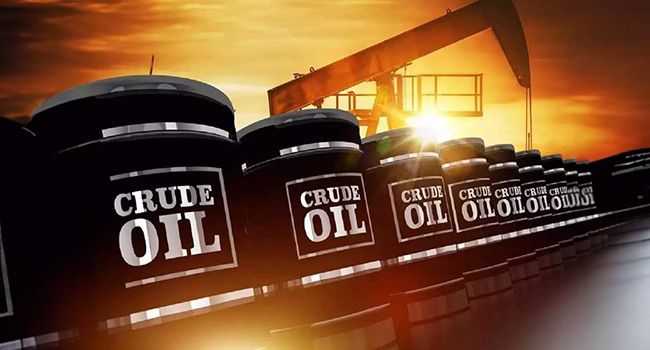
Global oil prices climbed further above $100 per barrel on Monday as the conflict involving Iran entered its third week, raising concerns about disruptions to energy supplies and the security of key shipping routes.
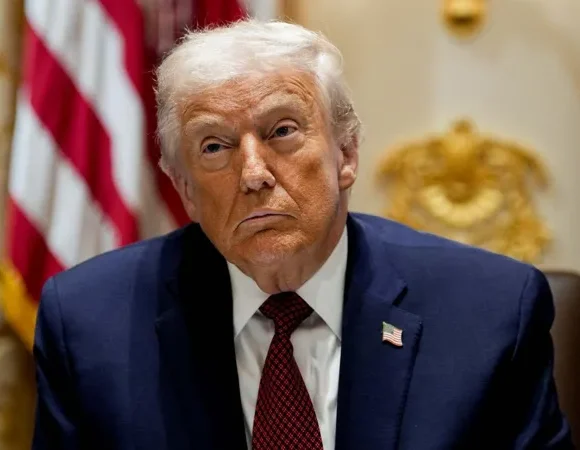
Crude prices surged in early trading after Donald Trump said at the weekend that United States forces struck military targets on Kharg Island — a key export hub that handles most of Iran’s oil shipments in the Gulf.
The escalation comes amid heightened tensions in the region following joint operations by the United States and Israel that began on February 28. Since then, the strategic Strait of Hormuz — through which a large portion of the world’s oil supply passes — has been effectively closed.
Iran’s semi-official Fars News Agency reported that no oil infrastructure was damaged in the strikes.
Trump Urges Global Naval Support
Trump urged major oil-importing nations to deploy naval forces to help keep the Strait of Hormuz open, calling on countries including China, France, Japan, South Korea, and the United Kingdom to participate in protecting tanker routes.
“This should have always been a team effort, and now it will be,” Trump wrote on his Truth Social platform.
However, Japan said it is not currently considering a maritime security mission, while Australia announced it would not send naval ships to the region.
Iran Rejects Talks With Washington
Iran’s Foreign Minister Abbas Araghchi said Tehran has no interest in negotiating with Washington.
“We don’t see any reason why we should talk with Americans because we were already talking when they decided to attack us,” Araghchi said during an interview on the television programme “Face the Nation”.
He added that Iran had not requested a ceasefire or negotiations but remained open to discussions with countries seeking safe passage for their vessels through the Strait of Hormuz.
Oil Markets React
Amid the rising tensions, benchmark crude prices rallied sharply.
• Brent crude jumped about three percent to as high as $106.50 before easing to around $104.
• West Texas Intermediate hovered just above $99 per barrel.
In response to supply concerns, members of the International Energy Agency agreed to release a record 400 million barrels from strategic reserves to stabilise markets.
Japan has already begun releasing part of its emergency oil stockpile.
Markets Under Pressure
The geopolitical tensions have also rattled global financial markets, with stocks falling across several Asian markets including Tokyo, Shanghai, Sydney, Taipei, Manila, and Jakarta.
Analysts say the key factor for markets will be when shipping through the Strait of Hormuz resumes.
Michael Brown of Pepperstone said the longer the waterway remains blocked, the tighter global oil supply will become — potentially pushing prices higher and increasing inflation risks worldwide.
Economic concerns have also been amplified by weaker data from the Federal Reserve showing US economic growth slowed to 0.7 percent in the fourth quarter, down from an earlier estimate of 1.4 percent.
Investors are now closely watching upcoming policy meetings by major central banks including the Bank of England and the European Central Bank, where officials are expected to assess the economic impact of the ongoing war.