Nigeria, UK sign deportation deal targeting failed asylum seekers, offenders
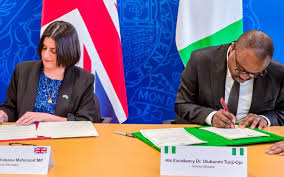
Nigeria has entered into a new agreement with the United Kingdom that will allow British authorities to deport failed asylum seekers, visa overstayers and convicted criminals to the West African nation.
The deal was signed by Nigeria’s Minister of Interior, Olubunmi Tunji-Ojo, and UK Home Secretary, Shabana Mahmood, during the official visit of President Bola Ahmed Tinubu to the UK, according to the Home Office.
Under the agreement, the Nigerian government will, for the first time, accept UK-issued identification letters for individuals without valid passports, easing a major administrative barrier to deportations. Previously, Nigeria relied on emergency travel documents as supplementary identification for undocumented returnees.
The arrangement gives the UK broader flexibility to return individuals who have exhausted their legal rights to remain in the country, although details on the start date, duration and possible financial incentives were not disclosed.
Reports indicate that about 961 Nigerian failed asylum seekers and 1,110 foreign national offenders of Nigerian origin are currently awaiting deportation, and the new deal is expected to accelerate their removal.
Tunji-Ojo said Nigeria’s participation reflects its commitment to fulfilling international obligations and maintaining strong bilateral relations.
“For us to sustain that relationship, we must be as open and as fair as possible,” he said.
UK Minister for Border Security and Asylum, Alex Norris, described Nigeria as a key partner in tackling illegal migration, noting that it remains the UK’s largest visa market in Africa.
He stressed that individuals who abuse immigration systems or violate UK laws would be identified and removed.
The agreement also includes plans for joint operations and intelligence sharing to combat organised immigration crime, including fake job sponsorships, sham marriages and forged financial documents.
Additionally, both countries agreed to strengthen collaboration against online fraud, including romance scams, investment fraud and cryptocurrency-related crimes. A new “fusion cell” model will bring together government agencies, financial institutions, technology firms and telecom companies to share intelligence and respond swiftly to emerging threats.
Nigeria is also expected to review its legal framework to impose tougher penalties on immigration-related offences as part of the broader partnership.