Silent Eid: How hardship and insecurity are dimming Nigeria’s Sallah spirit, by Martha Gwary
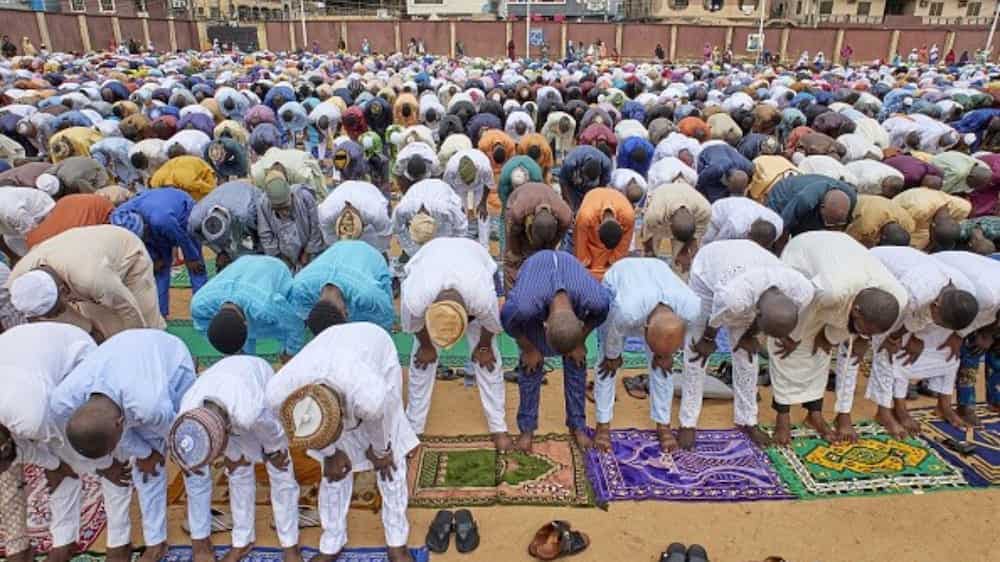
Once a season of joy and abundance, Sallah celebrations across Nigeria are increasingly defined by restraint, anxiety and economic struggle.
What was once a season of colour, abundance and communal joy is increasingly becoming a subdued affair across Nigeria, as economic hardship and rising insecurity force millions to mark Sallah on a markedly lower scale.
From Festivity to Frugality
In years past, the Eid celebrations—whether Eid al-Fitr or Eid al-Adha—were synonymous with bustling markets, lavish feasts and vibrant gatherings. Families travelled across states to reunite with loved ones, children donned new clothes with pride, and neighbourhoods echoed with laughter, prayers and the aroma of richly prepared meals. Today, that familiar rhythm has been disrupted.
Economic Crisis Bites Hard
At the heart of the shift lies a deepening economic crisis. Spiralling inflation, high food prices and dwindling purchasing power have left many households struggling to meet basic needs, let alone fund festive traditions.
The cost of rams, a central feature of Eid al-Adha, has soared beyond the reach of average Nigerians. For many families, the symbolic sacrifice has been replaced with modest meals—or, in some cases, none at all.
“I used to buy at least one ram every year,” said a civil servant in Abuja. “Now, even feeding my family daily is a challenge. Sallah has become just another day of survival.”
Markets Lose Their Buzz
Markets that would ordinarily witness a frenzy of last-minute shopping now record low patronage. Traders lament poor sales, while buyers haggle desperately, often leaving empty-handed. New clothes, once a staple of the celebration, have become a luxury item for many, with parents opting to make do with old garments.
Insecurity Dampens Movement and Gatherings
Compounding the economic strain is the persistent threat of insecurity in several parts of the country. From banditry and kidnappings in the North-West to insurgency in the North-East and communal clashes in other regions, fear has replaced festivity.
Travelling long distances for family reunions—once a cherished Sallah tradition—has become a risky undertaking.
Security concerns have also affected communal prayers and outdoor festivities. In some areas, attendance at Eid grounds has thinned, with worshippers wary of potential attacks. Recreational outings, durbar festivals and large gatherings have either been scaled down or cancelled altogether.
Children Feel the Change
Parents, too, are growing increasingly cautious. Children who once roamed freely during the festivities are now kept close to home, limiting the sense of communal bonding that defined past celebrations.
Faith Amid Hardship
Religious leaders have urged Nigerians to focus on the spiritual essence of Sallah rather than its material aspects. Yet, even they acknowledge the emotional toll of the current realities. “Sallah is about sacrifice, gratitude and unity,” one cleric noted. “But it is difficult to ignore the hardship people are facing. The joy is no longer as it used to be.”
Pockets of Resilience
Despite the gloom, there are pockets of resilience. Some communities have embraced modest, collective celebrations, pooling resources to support the less privileged. Acts of charity, though constrained, continue to offer glimmers of hope.
A Muted Celebration
Nevertheless, the broader picture remains sobering. The transformation of Sallah from a grand cultural and religious spectacle into a muted observance underscores the weight of Nigeria’s present challenges. Until economic stability is restored and security improved, the echoes of past celebrations may remain just that—memories of a more vibrant time.
For many Nigerians, this Sallah celebration has given way to contemplation, and festivity to frugality—a quiet reflection of a nation navigating difficult times.