Fans drag FIFA to EU Court over skyrocketing 2026 World Cup ticket prices
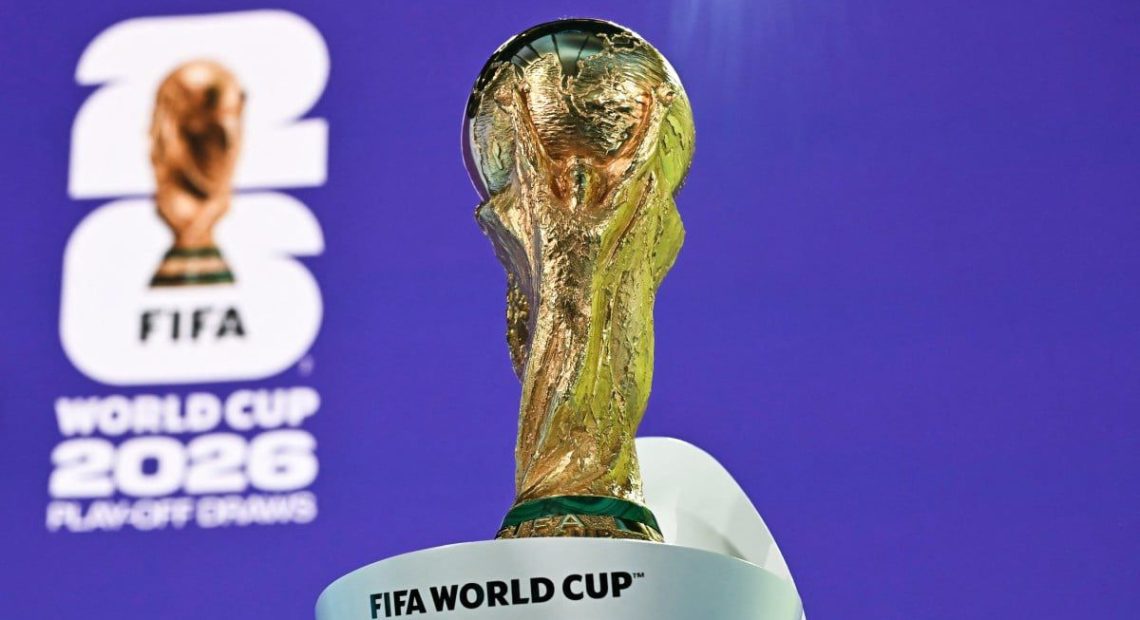
A European supporters’ group has filed a lawsuit against FIFA, accusing the global football body of inflating ticket prices for the 2026 World Cup and exploiting its control over ticket sales.
The complaint, submitted to the European Commission by Football Supporters Europe (FSE) and Euroconsumers, alleges that FIFA abused its monopoly to impose excessive pricing and unfair purchasing conditions on fans.
According to the groups, ticket prices for the tournament — scheduled from June 11 to July 19 across the United States, Canada, and Mexico — have surged far beyond initial projections. The cheapest available tickets for the final reportedly start at $4,185, more than seven times higher than the lowest-priced ticket for the 2022 final in Qatar.
They also noted that FIFA’s original bid documents estimated an average ticket price of $1,408, a figure now significantly exceeded.
The 2026 tournament, the first to feature 48 teams and 104 matches, will see nearly seven million tickets made available. However, demand for high-profile fixtures has driven prices sharply upward, with many tickets for top matches costing at least $200.
FSE further criticized FIFA’s use of “dynamic pricing,” a system where ticket costs fluctuate based on demand. While FIFA President Gianni Infantino defended the model as market-driven, the group argued that the lack of transparency and price caps allows costs to spiral uncontrollably.
In extreme cases, resale prices have reached staggering levels. One Category 3 ticket for the final at MetLife Stadium was listed at $143,750 — more than 40 times its original value.
Although FIFA introduced a limited number of lower-cost tickets priced at $60, these were largely restricted to fans of qualified teams and represented only a small fraction of total allocations. Critics say such tickets were nearly impossible for the general public to obtain.
The lawsuit also highlights concerns over the largely unregulated resale market in North America, where ticket holders can freely set prices. While Mexico has stricter rules against reselling above face value, enforcement depends on where and how tickets are purchased.
The case now puts FIFA under increasing scrutiny as fans and consumer groups push for greater fairness and transparency ahead of the world’s biggest football tournament.