FG launches ₦20m annual prize for outstanding student Researchers
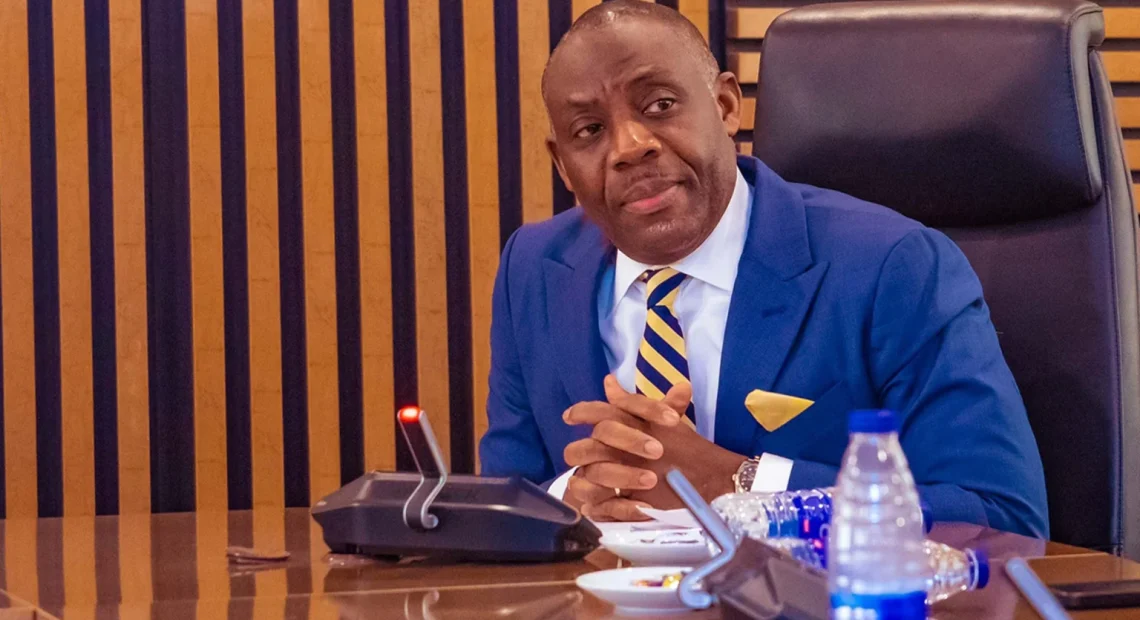
The Federal Government has unveiled a new national laureate prize programme that will reward exceptional student researchers, with PhD candidates set to receive up to ₦20 million annually for outstanding academic work.
Minister of Education, Tunji Alausa, announced the initiative, describing it as a bold step toward promoting academic excellence and positioning research as a driver of national development.
Under the scheme, doctoral graduates will receive ₦20 million, while master’s degree winners will get ₦10 million, and outstanding undergraduate dissertations will attract prizes of at least ₦5 million.
According to a statement by the ministry’s Director of Press and Public Relations, Folasade Boriowo, the programme aims to elevate the value of academic research and place it on par with other high-impact sectors.
Alausa said the initiative reflects a shift in national priorities, with intellectual achievement and innovation taking centre stage. He added that research outputs from students could provide practical solutions to Nigeria’s economic and industrial challenges.
The programme will be funded by the Nigeria Education Repository and Databank (NERD) and its partners, ensuring sustainability without placing additional financial pressure on government resources.
A 10-member National Laureate Prize Committee, chaired by Abubakar Sambo, has been inaugurated to oversee submissions, screening, and selection of winners.
The maiden edition is expected to open for entries in May 2026, with evaluations scheduled between June and September, while winners will be honoured at a National Laureate Gala in November in Abuja.
Meanwhile, the government has also adopted a results-driven model for its ₦12 billion National Digital Economy Research Clusters programme.
Minister of Communications, Innovation and Digital Economy, Bosun Tijani, said the initiative would link funding to measurable outcomes and policy relevance.
He explained that the three-year programme would allocate about ₦1.5 billion to each thematic cluster, with participating institutions expected to generate research that directly informs national policy.
Tijani added that each cluster would be supported by postdoctoral fellows and PhD students, while collaborations with international researchers would help expand capacity and funding opportunities.
The government said both initiatives signal a new direction for Nigeria’s education sector, where research is not only a graduation requirement but a pathway to innovation, national recognition, and economic growth.