Fali Tribe of Adamawa State: Preserving ancient traditions in a changing world, by Tawheed Yakub
Fali Tribe of Adamawa State: Preserving ancient traditions in a changing world, by Tawheed Yakub
The Fali people of Nigeria are a culturally distinct and historically resilient ethnic group, known for their unique mountain heritage, strong communal traditions, and deeply preserved ancestral identity passed down through generations.
Renowned for their independence, courage, and deep attachment to their highland homeland, the Fali people have maintained their cultural identity despite external pressures from dominant groups, colonial administration, religious influence, and the forces of modernisation.
They are predominantly found in Adamawa State and parts of Borno State, often inhabiting mountainous regions near the Nigeria-Cameroon border.
Read also: Inside the rich heritage of the Yandang people of North-East Nigeria, by Tawheed Yakub
Their homeland is characterised by rugged hills, rocky highlands, and elevated terrain features that historically provided natural defence and shaped their unique settlement patterns, agricultural systems, and cultural independence.
Over time, the Fali people have contributed to the cultural diversity of North-Eastern Nigeria, upholding values centred on resilience, self-reliance, communal unity, and respect for tradition.
Historical Background and Origin
Fali history is largely preserved through oral traditions, clan narratives, and ancestral accounts transmitted across generations.
Linguistically, the Fali language belongs to the Afro-Asiatic language family (Chadic branch), reflecting historical ties with other ethnic groups in the region.
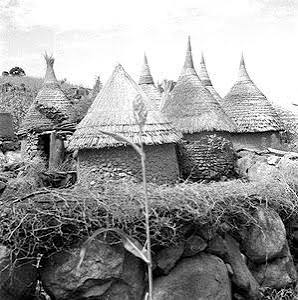
Traditionally, the Fali lived in hilltop settlements organised around clans and extended families. These settlements were deliberately located in mountainous areas as a defence strategy against slave raids and external domination in earlier centuries.
This geographical isolation contributed to the preservation of their cultural practices and relative independence over time.
The Fali maintained limited but strategic interactions with neighbouring groups such as the Higi (Kamwe), Fulani, and other Adamawa communities through trade and occasional cultural exchange while preserving a distinct identity.
Leadership was structured around clan heads and councils of elders responsible for governance, land matters, conflict resolution, and spiritual practices.
Colonial administration introduced changes, but due to their terrain and resistance, many traditional systems remained intact longer than in lowland communities.
Culture and Tradition
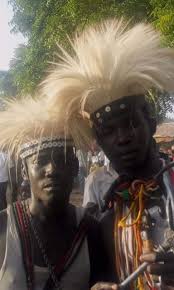
Fali culture is deeply communal and strongly rooted in tradition. Elders serve as custodians of knowledge, customs, and spiritual life, while younger generations are expected to uphold discipline, bravery, and respect for ancestral values.
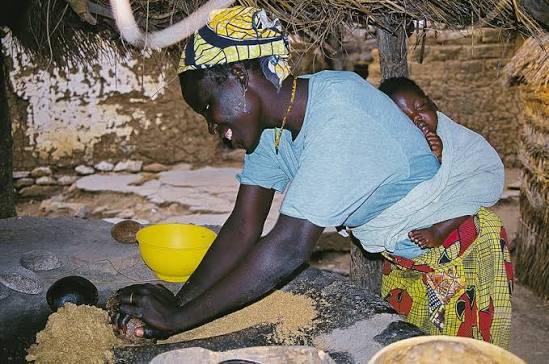
Communal cooperation is evident in farming, construction, and social activities, reinforcing unity within the community.
The Fali language remains central to identity and is expressed through oral storytelling, proverbs, songs, and ritual expressions that pass down history and moral teachings.
Unlike many neighbouring groups, traditional religious beliefs have remained more prominent among the Fali, though Christianity and Islam have also gained influence in recent times.
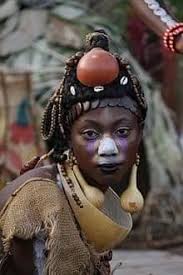
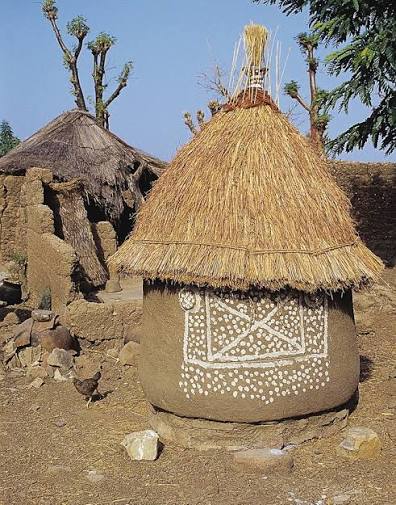
Their cultural expressions, particularly dances, body adornment, and traditional architecture are distinct and reflect their highland heritage.
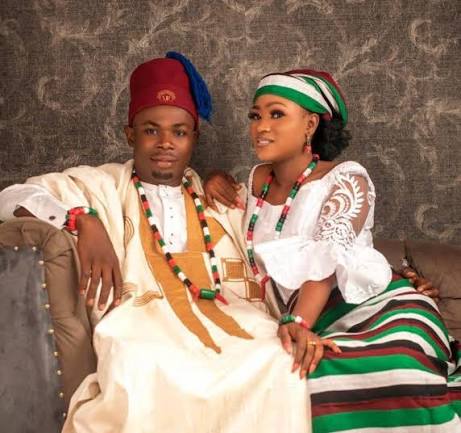
Marriage Customs
Marriage among the Fali is regarded as a vital institution that strengthens family and clan relationships.
The traditional process involves family negotiations, agreement on bride price, and approval from elders.
Ceremonies are often simple but culturally rich, involving communal gatherings, music, and symbolic rites.
Marriage reinforces social bonds and continuity of lineage within the community.
Socio-Economic Life
Agriculture is the backbone of Fali livelihood, adapted to their mountainous environment.
The people practice terrace farming, cultivating crops such as millet, sorghum, maize, and vegetables suited to highland conditions.
Animal rearing, hunting, and small-scale trading also contribute to their economy.
In modern times, some Fali individuals have ventured into education, civil service, and trade, though many still maintain traditional livelihoods tied to their environment.
Modern Times
Like many minority groups, the Fali face challenges including cultural assimilation, limited infrastructure in remote areas, youth migration, and language preservation concerns.
However, their strong attachment to tradition continues to serve as a foundation for cultural survival.
Community structures, elders, and cultural practices remain central in maintaining identity, even as modern influences gradually reshape aspects of daily life.
Ceremonies and Cultural Practices
Fali ceremonies symbolise unity, spirituality, and ancestral reverence. Important cultural events include initiation rites, marriage ceremonies, harvest celebrations, and rituals tied to their traditional belief system.
These practices reinforce values of courage, discipline, respect, and communal responsibility.
From the rugged highlands along the Nigeria–Cameroon border to emerging urban spaces, the Fali people remain a powerful symbol of cultural resilience demonstrating that even in isolation, identity can endure, adapt, and thrive across generations.