Buni’s covenant and the crisis of political betrayal, by Engr. Bello Gwarzo Abdullahi, FNSE
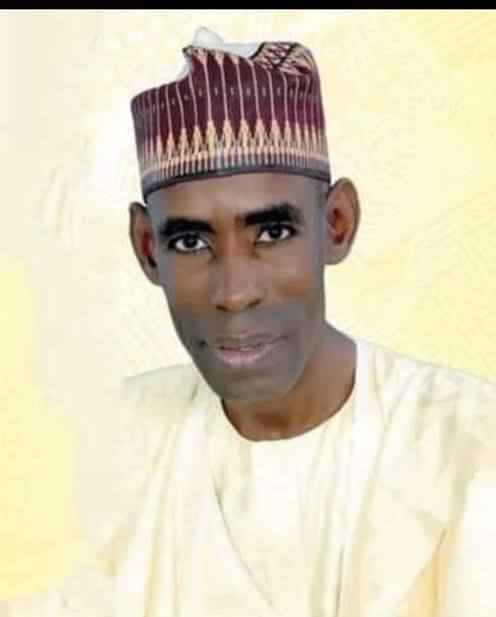
“There is no faith for one who cannot be trusted, and there is no religion for one who cannot keep a promise.” — Hadith recorded in Musnad Ahmad
This Hadith serves as a powerful ethical foundation in Islamic thought. It reminds us that trust (amana) and the keeping of covenants (alkawari) are not merely commendable virtues or social courtesies. Rather, they are essential conditions for the existence of faith (iman) itself. In other words, a society where trust collapses cannot easily sustain moral order.
It is therefore not surprising that religion and culture have historically formed the moral backbone of society. For generations, they have shaped values of loyalty, gratitude, and responsibility—values that sustain social stability and collective progress. Against this backdrop, the reaffirmation of these principles by Yobe State Governor Mai Mala Buni on March 3, 2026, deserves recognition. Speaking at the APC State Congress in Damaturu, Buni publicly declared his unwavering loyalty to his predecessor, Ibrahim Gaidam, while addressing the growing culture of cin amana—betrayal of trust—within the political space.
By declaring he would “rather die” than betray the man who mentored him, Buni made more than a political statement. He highlighted the enduring importance of honour, gratitude, and loyalty in leadership. His own political journey—from Special Adviser under Gaidam to governor—reflects a relationship built on trust and mutual respect. In an era where political alliances are often temporary and driven by expediency, such a declaration stands out as a reminder that leadership should remain anchored in principle.
Yet the political landscape across parts of Northern Nigeria tells a more troubling story. In Kano, the once-celebrated relationship between Rabiu Musa Kwankwaso and Abba Kabir Yusuf has shown signs of strain. The long-standing rivalry between Abdullahi Umar Ganduje and Kwankwaso further illustrates how mentor–protégé conflicts can fracture political systems and slow governance. In Kaduna, tensions between Uba Sani and Nasir El‑Rufai reveal how quickly relationships built on mentorship can deteriorate when trust begins to erode.
Such political ruptures rarely remain confined to the corridors of power. They gradually weaken the moral fabric of society. When leaders abandon those who helped shape their rise, the message transmitted to younger generations is deeply troubling—that loyalty is a weakness and gratitude unnecessary. Over time, the traditional values of tarbiyya—the disciplined upbringing that teaches respect, integrity, and fidelity to one’s word—lose their influence, replaced by a culture where ambition overrides principle.
For societies shaped by strong religious and cultural traditions, this trend should raise serious concern. In Islamic teachings and long-standing northern customs, trust (amana) is sacred. Betrayal is not simply a political tactic; it is a moral failing that undermines the bonds holding communities together. When leaders treat relationships and promises as disposable, trust begins to erode not only in politics but also in business, public service, and even family life.
The way forward therefore lies in a deliberate return to the enduring values that have guided communities for generations. Loyalty, gratitude, and integrity must once again become the standards by which leadership is measured. These principles are not relics of a bygone era; they remain essential foundations for social stability and national cohesion.
In this context, Buni’s declaration carries significance beyond the moment. It reminds society of a moral compass that once guided leadership and public life. Without such grounding, political power easily becomes a temporary possession pursued for personal advantage. With it, however, leadership can once again be understood as a trust—one that carries responsibility not only to the present generation but also to the future of society itself.
By Engr. Bello Gwarzo Abdullahi, FNSE.
Email: bgabdullahi@gmail.com