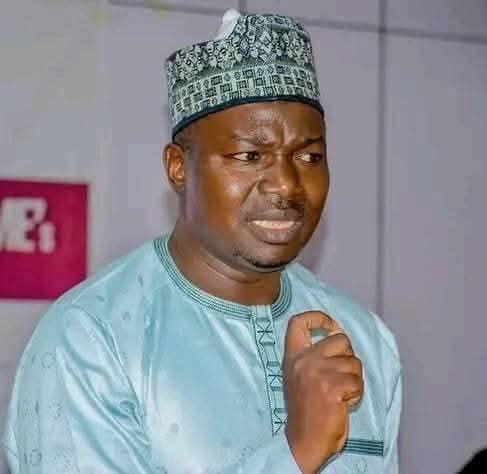
Security Is Not a Slogan: 2,000 guards, 88 hilux, 740 motorcycles, by Hassan Yakubu
For some time now, voices across Kano, including committed Kwankwasiyya supporters, have raised sustained concerns about insecurity within the metropolitan area. While incidents like phone snatching and the theft of personal valuables may appear small on the surface, they often exist alongside deeper problems such as youth unemployment, drug abuse, and prolonged idleness. These issues do not automatically lead to banditry, but when ignored, they create a pool of vulnerable young people who can easily be recruited into more organised and violent criminal networks.

Having grown up moving through villages and forests across the Northwest as a young truck mechanic, I have seen how insecurity evolves. It rarely begins with sophisticated weapons or large-scale attacks. It often starts quietly, with neglected communities, young men without work or direction, the spread of drugs, and the gradual weakening of social control. When early warning signs are dismissed, criminal activities gain confidence, connect across locations, and eventually grow into something far more dangerous.

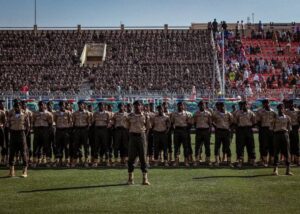
In response to these realities, the commissioning of 2,000 Kano State Neighbourhood Watch Guards is not just a routine security exercise; it is a timely and strategic intervention. What makes this rapid response especially reassuring is that it goes beyond numbers on paper. The corps is supported with 88 Hilux patrol vehicles and 740 motorcycles, ensuring mobility across urban centres, rural communities, and difficult terrain. The inclusion of a good number of women in the corps is also important, strengthening community trust, intelligence gathering, and inclusive participation in security efforts.
This step is important not only for Kano but for the wider North. History has shown that once insecurity gains a foothold in one state, it easily spills into neighbouring areas. Stopping the wave early is always cheaper, safer, and wiser than chasing it after it spreads.
No state, regardless of the quality of its leadership or the ambition of its development plans, can record meaningful progress when insecurity is allowed to fester or when non-state actors are free to operate without restraint. Investors, both local and foreign, pay close attention to safety. The moment insecurity takes root, capital withdraws, businesses slow down, and opportunities quietly move elsewhere. Development does not survive in an atmosphere of fear.
READ ALSO: Kano State Civil Service Commission Clarifies: No sale of employment application forms
One quality that separates effective leadership from reactive leadership is the ability to listen to advice and complaints without reducing every issue to the politics of we versus them. On this score, Governor Abba Kabir Yusuf has shown first-class judgment by responding to what the people have been saying rather than dismissing it as noise. At a time when Kano is receiving major developmental attention, strengthening security is not optional; it is foundational.

This is also why I hope the Federal Government will support this initiative rather than frustrate it, especially at a time when many stakeholders across the country are calling for community policing and stronger local participation in security. A safer Kano benefits not just the state, but the entire region.
This recruitment sends a clear signal that Kano is paying attention, learning from the Northwest’s painful experiences, and choosing prevention over excuses. That decision deserves recognition and sustained support from all who want a safer Kano and a more stable Northern Nigeria.
Follow the Neptune Prime channel on WhatsApp:
Do you have breaking news, interview request, opinion, suggestion, or want your event covered? Email us at neptuneprime2233@gmail.com