The Bison: A powerful, iconic giant of the grasslands, by Gift Luckson
The bison is one of the most powerful and iconic land animals in the world.
Known for its massive size, shaggy appearance, and strength, the bison has played an important role in nature, history, and human culture for centuries.
Often mistaken for buffalo, the bison is a distinct species native mainly to North America and parts of Europe.
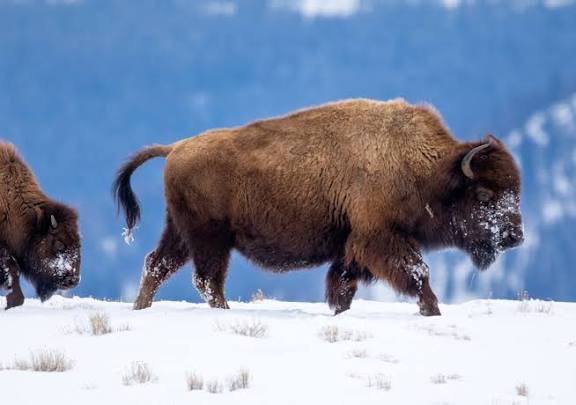
Bison are among the largest mammals on land. Adult males can weigh up to 900 kilograms (about 2,000 pounds) and stand over 1.8 meters tall at the shoulder.
Giraffes: Nature’s gentle giants and extraordinary wonders, by Gift Luckson
They are easily recognised by their large hump, thick fur around the head and shoulders, short curved horns, and broad bodies.
Their dense coat helps them survive harsh winters, especially in cold regions.
There are two main types of bison: the American bison and the European bison (also called wisent).
American bison are mostly found in North America, especially in national parks and protected reserves in the United States and Canada.
European bison live mainly in forests of Eastern Europe and are rarer.
Bison typically inhabit grasslands, plains, and open woodlands, where they can graze freely.
Bison are herbivores, meaning they feed on grasses, herbs, and shrubs. They spend most of their day grazing and resting.
Despite their calm appearance, bison can be very fast and dangerous when threatened, capable of running up to 55 km/h.
They usually live in herds, which helps protect them from predators.
Bison are known as a keystone species because they play a crucial role in maintaining healthy ecosystems.
Their grazing helps prevent overgrowth of grasses, and their movement enriches the soil, supporting plant and animal diversity. Many other species depend indirectly on bison for survival.
For Indigenous peoples of North America, the bison was a vital source of food, clothing, tools, and spiritual meaning. Sadly, excessive hunting in the 19th century nearly drove the species to extinction.
Conservation efforts have since helped bison populations recover, making them a symbol of wildlife preservation.
Today, bison are protected in many areas, but they still face challenges such as habitat loss and limited genetic diversity. Conservation programmes continue to work toward ensuring their long-term survival.
Follow the Neptune Prime channel on WhatsApp:
Do you have breaking news, interview request, opinion, suggestion, or want your event covered? Email us at neptuneprime2233@gmail.com