The Convergence of Diplomacy and Development: Yobe as a model for durable solutions, by Suleiman Dauda
The recent visit of a high-level United Nations delegation to Yobe State, led by three Assistant Secretaries-General (ASGs) representing UNDP, IOM, and UNHCR, alongside the UN Nigeria Resident and Humanitarian Coordinator, Mr Mohamed Malick Fall, was far more than a diplomatic courtesy call. It represented a moment of reckoning in Nigeria’s humanitarian-development landscape, and a case study in how subnational leadership can align with global frameworks to advance the United Nations agenda on internal displacement.
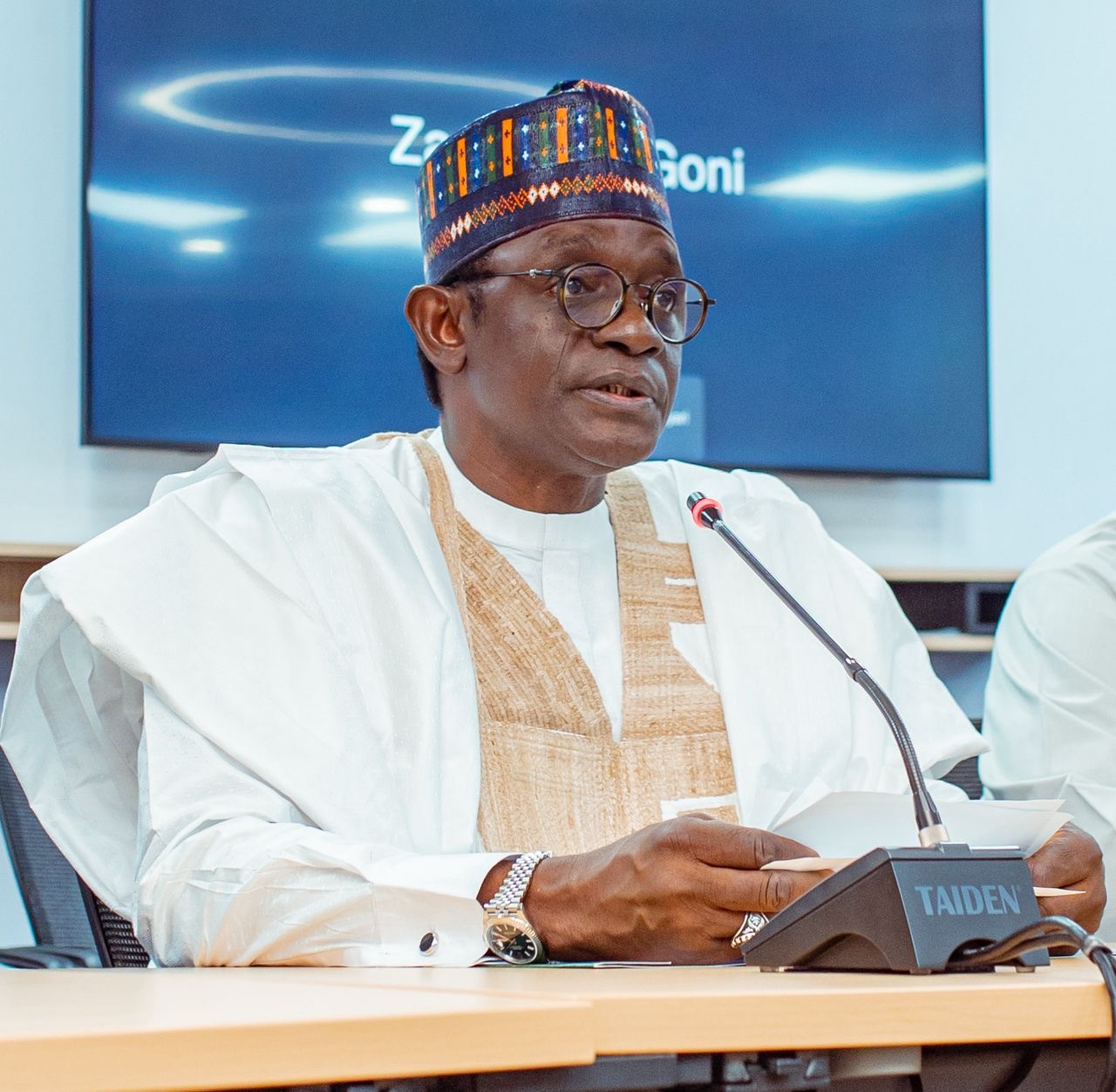
Described by Mr Fall as “one of the biggest delegations I have led to the field in my career,” the mission was a symbolic and substantive validation of Governor Mai Mala Buni’s approach to governance, one rooted in fiscal commitment, institutional coherence, and political vision.

It reaffirmed that Yobe’s post-conflict journey is not driven by external prescriptions but by state-led ownership and a deliberate transition “from crisis to stability, and from recovery to sustainable development.”
Yobe’s experience underscores a fundamental principle in the UN Secretary-General’s Action Agenda on Internal Displacement, that durable solutions require government leadership at the forefront. Governor Buni’s administration has done more than articulate this principle; it has institutionalised it.
The state provided a structured platform through which humanitarian response, peacebuilding, and development programming are harmonised. The established structures function as the connective tissue linking short-term stabilisation with long-term resilience, a model that many subnational governments in fragile contexts still struggle to achieve.
Where Yobe’s story becomes particularly exemplary is in its fiscal governance. With over 12% of the 2025 State Budget dedicated to the implementation of the State Action Plan (SAP) on Durable Solutions, Yobe demonstrates what fiscal leadership looks like in practice. This allocation is not merely a budgetary line; it is a political statement that the state has moved from donor dependency to state-led investment in recovery and sustainable development.
This fiscal commitment represents a new logic of governance in conflict-affected regions: where humanitarian financing is no longer treated as a substitute for state responsibility but as a complement to domestic resource mobilisation. It also establishes Yobe as a credible partner for international organisations, one that brings political will and financial commitment to the table.
The visiting ASGs commended Yobe for embodying the principles of the UN’s Action Agenda on Internal Displacement; leadership, inclusivity, and sustainability. Their joint statement captured the essence of this alignment: “What we have seen today goes beyond promises; it is evidence of leadership, partnership, and progress. We are now more prepared to speak to donors and mobilise greater support.”
This observation situates Yobe within the global discourse on durable solutions, not as a beneficiary but as a case study in subnational actionable commitment. It also highlights an emerging paradigm where states like Yobe are not passive recipients of humanitarian aid but co-creators of resilience, shaping outcomes through policy innovation and resource discipline.
Central to Yobe’s resilience architecture is the recognition that human security drives durable solutions. In this sense, Yobe’s approach blurs the traditional boundary between humanitarian relief and development planning; health, education, and livelihoods become instruments of stabilisation.
For the United Nations, the visit was both symbolic and diagnostic, a chance to witness how effective subnational governance can operationalise global frameworks. For Yobe, it was an opportunity to reaffirm its readiness for deeper donor engagement, technical cooperation, and international visibility.
The delegation’s interaction with displaced persons and host communities reinforced what Yobe’s transformation represents: not a temporary recovery, but a sustained trajectory of resilience. The state’s progress embodies what the UN system often advocates but rarely witnesses at the local level; that durable solutions must be built, not delivered.
As the UN delegation departed Damaturu following a day working visit, their reflections distilled a simple but profound truth, Yobe is a proof of concept for the kind of leadership envisioned in the UN’s global agenda on displacement: a polity where humanitarian relief evolves into development.
Through fiscal commitment, institutional stability, and global partnership, the Buni administration has elevated Yobe from the margins of crisis to the forefront of recovery. The state’s narrative is no longer defined by insecurity or aid dependency; it is defined by courage, conviction, and continuity, a blueprint for how post-conflict societies can shape their futures through a strategic shift from humanitarian to development.
Suleiman Dauda writes from Damaturu, Yobe State.
Follow the Neptune Prime channel on WhatsApp:
Do you have breaking news, interview request, opinion, suggestion, or want your event covered? Email us at neptuneprime2233@gmail.com