Tula People of Gombe: Celebrating a heritage of bravery and enduring traditions, by Gift Luckson
The Tula people are an ethnic group located primarily in Kaltungo Local Government Area of Gombe State, northeastern Nigeria. They are known for their rich history, strong cultural identity, and distinct language known as Tula (a member of the Chadic branch of the Afro-Asiatic language family).

History and Origin
The Tula trace their ancestry to ancient migrations from the central African region or possibly the Chad Basin area. Oral tradition suggests that they settled on the rugged Tula Plateau, a strategic highland that provided natural defence against invasions. Before colonial times, the Tula were known as fierce warriors who resisted external domination, including attempts by the powerful Sokoto Caliphate to conquer them in the 19th century.
READ ALSO: Ancient Idanre Hill: Nature’s masterpiece in Ondo State, by Gift Luckson
Culture and Traditions
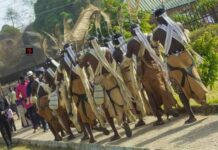
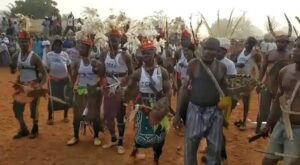
The Tula people have a vibrant culture marked by traditional dances, music, and festivals that celebrate harvests, unity, and ancestral spirits. Their traditional attire features colourful fabrics and beadwork, often worn during ceremonies.
The Tula have deep respect for elders and community leadership, with traditional rulers such as the Mai Tula playing key roles in governance and conflict resolution.
Language and Religion
The Tula language is widely spoken within their communities, though many also speak Hausa and English due to interaction with neighbouring ethnic groups. Religiously, the Tula people practice Islam and Christianity, while some still observe traditional beliefs centred on ancestral worship and nature.
READ ALSO: Ability in Disability: The entrepreneurial spirit of Persons with Disabilities, by Gift Luckson
Economy and Livelihood
The Tula are largely farmers and traders, cultivating crops like millet, sorghum, maize, and groundnuts. Livestock rearing is also common. Their mountainous terrain supports both farming and hunting activities.

Modern Development
Today, the Tula people are integrated into the broader socio-political framework of Gombe State, contributing to education, politics, business, and public service. Despite modernisation, they continue to preserve their language, customs, and traditional leadership system.
Follow the Neptune Prime channel on WhatsApp:
Do you have breaking news, interview request, opinion, suggestion, or want your event covered? Email us at neptuneprime2233@gmail.com