Wurkum: Discover one of Nigeria’s most historically rich and culturally enduring tribes, by Tawheed Yakub
The Wurkum are one of Nigeria’s oldest and culturally resilient ethnic groups, celebrated for their deep respect for tradition, their enduring communal spirit, and their historical ties to the wider Kwararafa civilisation that shaped much of the Middle Belt region.
Predominantly found in present day Taraba State, particularly in Landan, Ussa, Takum, Bali, and neighbouring communities, the Wurkum people have played a significant cultural role within the Benue – Taraba corridor.
They are known for their symbolic masquerade traditions, sacred forest-based spirituality, rich oral heritage, and their harmonious yet autonomous clan-based leadership systems. The Wurkum embody a heritage shaped by migration from the ancient Kwararafa confederacy, inter-ethnic diplomacy, warfare resilience, and a strong agricultural backbone.
Despite the impacts of modern religions, colonial restructuring, and social changes, the Wurkum continue to uphold a worldview anchored in ancestral honour, collective responsibility, and stewardship of land, identity, and tradition.
Link to the Kwararafa Civilisation
Wurkum history is deeply connected to the ancient Kwararafa (Jukun) Kingdom, a powerful confederacy whose influence extended across the Middle Belt for centuries.
According to oral traditions, the early Wurkum ancestors migrated from regions influenced by the Jukun, gradually settling in the forest–savannah plains of present-day Taraba State.
By the 1500s–1600s, Wurkum communities had established their early settlements with strong clan identities, sacred groves, ritual centres, and well-defined territorial boundaries. Unlike centralised monarchies, Wurkum governance was rooted in councils of elders, lineage heads, and spiritual custodians who derived authority from wisdom, ritual purity, and ancestral legitimacy.
The Wurkum became known for strategic inter-ethnic relations, defensive warfare abilities, mastery of forest survival skills, and the cultivation of fertile farmlands across their territory.
These traditions carried the Wurkum through eras of slave raids, trade expansion, colonial reorganisation, and evolving socio-political systems of the Middle Belt.

Culture and Tradition
Wurkum culture is vibrant, deeply symbolic, and grounded in ancestral reverence. Social organisation revolves around clans, lineages, and age grade systems that guide identity, duties, and social order.
The Wurkum language, part of the Benue-Congo family, is a powerful storehouse of cultural memory expressed through proverbs, praise poetry, chants, folklore, and ceremonial speech.
Traditional Wurkum religion emphasised ancestral veneration and nature-based spirituality, with sacred forests and shrines serving as centres of moral and spiritual authority. While Islam and Christianity are widespread today, many traditional values remain embedded in rituals, festivals, and social etiquette.
Read also: Berom Heritage: A culture of hard work, harvests, and heartfelt hospitality, by Tawheed Yakub

Wurkum artistic heritage includes:
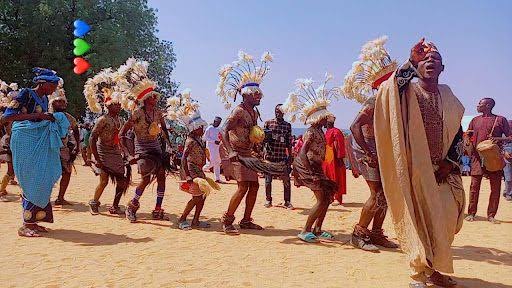
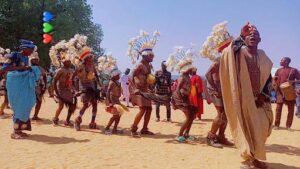
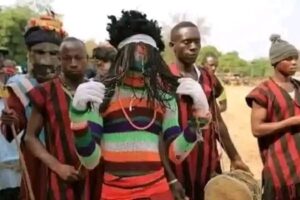
Masquerades: symbolising ancestral presence and spiritual guardianship, drumming, chanting, and dance performances, traditional body markings and symbolic decorations, wood carvings, ritual objects, and craftwork
These elements highlight a people whose creativity, spirituality, and identity remain deeply intertwined.
Marriage Customs
Marriage among the Wurkum is a respected cultural institution symbolising unity, continuity, and alliance between families.
Traditional Wurkum marriage rituals involve formal introduction and dialogue between families through elders, presentation of symbolic gifts such as kolanuts, livestock, drinks, and farm produce, spiritual blessings from elders and custodians, cultural dances, drumming, singing, and night-long celebrations, ritual purification and fertility rites for the bride.
Wurkum marriages emphasise respect, loyalty, fertility, and communal harmony. Although polygamy was more common in the past, it has declined considerably in modern times. Wedding ceremonies remain colourful, spiritual, and socially significant.
Socio-Economic Life
Agriculture lies at the heart of Wurkum livelihood. Blessed with fertile land, the Wurkum cultivate crops such as yam, cassava, millet, maize, and rice.
Other economic activities include hunting and forest-based gathering, fishing in streams and seasonal rivers, craft production, basket weaving, pottery, blacksmithing, carving, trade in farm produce and forest products.
In contemporary times, Wurkum men and women increasingly excel in education, civil service, security forces, business, and politics, expanding their influence within and beyond Taraba State.
Modern Times
Like many indigenous communities, the Wurkum face challenges linked to rapid social and economic change.
Declining use of the Wurkum language among youths, land disputes and territorial pressure, rural economic hardship and infrastructural limitations, reduction in traditional skills due to migration, and religious changes affecting indigenous practices.
Despite these challenges, the Wurkum continue to preserve their heritage through cultural festivals, oral history, communal leadership, and growing cultural awareness movements.
Ceremonies and Cultural Practices
Wurkum ceremonies express deep spirituality, unity, and reverence for ancestry. Their cultural events include harvest and planting rituals seeking divine blessing, initiation rites for youth marking entry into adulthood, naming ceremonies welcoming newborns into lineage identity, wrestling contests, night drumming, storytelling, and communal feasts.
Each celebration reinforces Wurkum values of respect, unity, courage, and cultural continuity.
The Wurkum people remain one of Nigeria’s most historically rooted and culturally enduring communities, resilient, expressive, and deeply connected to their ancestral origins.
From their ancient settlements in Taraba forests and plains to their evolving roles in modern society, the Wurkum continue to honour a heritage built on unity, identity, spirituality, and an unwavering respect for their ancestors.
Follow the Neptune Prime channel on WhatsApp:
Do you have breaking news, interview request, opinion, suggestion, or want your event covered? Email us at neptuneprime2233@gmail.com