


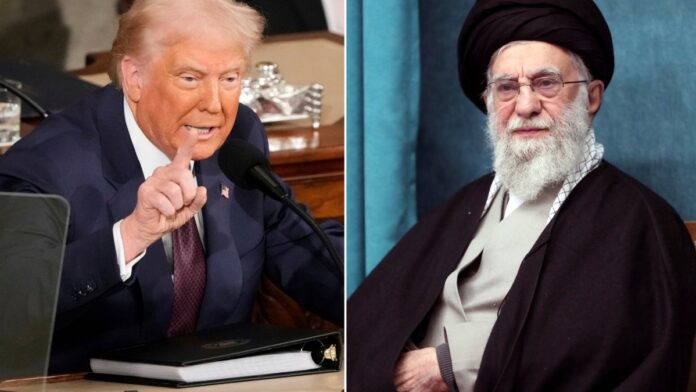
Arab, Muslim nations intensify diplomatic push to prevent U.S.–Iran war as tensions soar
Arab and Muslim powers are urgently stepping up diplomatic efforts to avert a potential military confrontation between the United States and Iran, as regional tensions escalate over nuclear, military and political disputes.
Officials from countries including Qatar, Oman, Saudi Arabia, Egypt and Turkey have been engaged in intense back-channel diplomacy, seeking to persuade both Washington and Tehran to return to the negotiating table and defuse mounting threats of conflict.
Arab nations decline US invitation to join Red Sea operation against Houthi rebels
These efforts come amid heightened rhetoric, large military deployments in the Middle East and deep mistrust between the U.S. and Iranian leadership.
With tensions rising after recent U.S. warnings to Iran and reports of potential military action, regional states have intensified diplomatic outreach. Qatar and Oman have taken a lead role, holding direct talks with Iranian officials and urging both sides to pursue de-escalation and dialogue rather than force.
Saudi Arabia — traditionally a strategic partner of the United States — has also engaged diplomatically, seeking to reduce the risk of a wider regional war that could severely disrupt economic and security stability across the Gulf.
Despite these mediation efforts, neither Washington nor Tehran has agreed to new bilateral negotiations, and both sides remain entrenched in their positions. U.S. demands have included strict limits on Iran’s nuclear and missile capabilities, which Tehran views as unacceptable without reciprocal concessions.
Iran’s Foreign Minister has travelled to Ankara, Turkey for talks, where Turkish leaders have proposed a trilateral virtual conference between President Donald Trump and Iranian President Masoud Pezeshkian in hopes of launching direct dialogue.
However, Iran has expressed caution about negotiating from a perceived position of weakness.
Meanwhile, Washington has reinforced U.S. forces in the region — including the deployment of aircraft carriers and warships — signalling readiness for military action if diplomacy fails.
The diplomatic push reflects broader wariness among Arab and Muslim governments about being drawn into a direct U.S.–Iran confrontation. Gulf states have emphasised that they will not allow their territories or airspace to be used for military strikes against Iran, a stance that has complicated U.S. operational planning.
Leaders in Riyadh, Doha, Cairo and elsewhere are also keen to avoid the devastating humanitarian and economic fallout a wider conflict could trigger — including threats to oil supplies, regional security, and the stability of fragile economies.
Saudi Arabia becomes 1st nation to evacuate citizens from war-torn Sudan
Despite active mediation, the situation remains volatile. Both Washington and Tehran have signalled determination to defend their core interests, and without a breakthrough in talks, the risk of miscalculation — or a wider clash — persists.
Follow the Neptune Prime channel on WhatsApp:
Do you have breaking news, interview request, opinion, suggestion, or want your event covered? Email us at neptuneprime2233@gmail.com