Iran signals readiness to limit enrichment if US removes sanctions
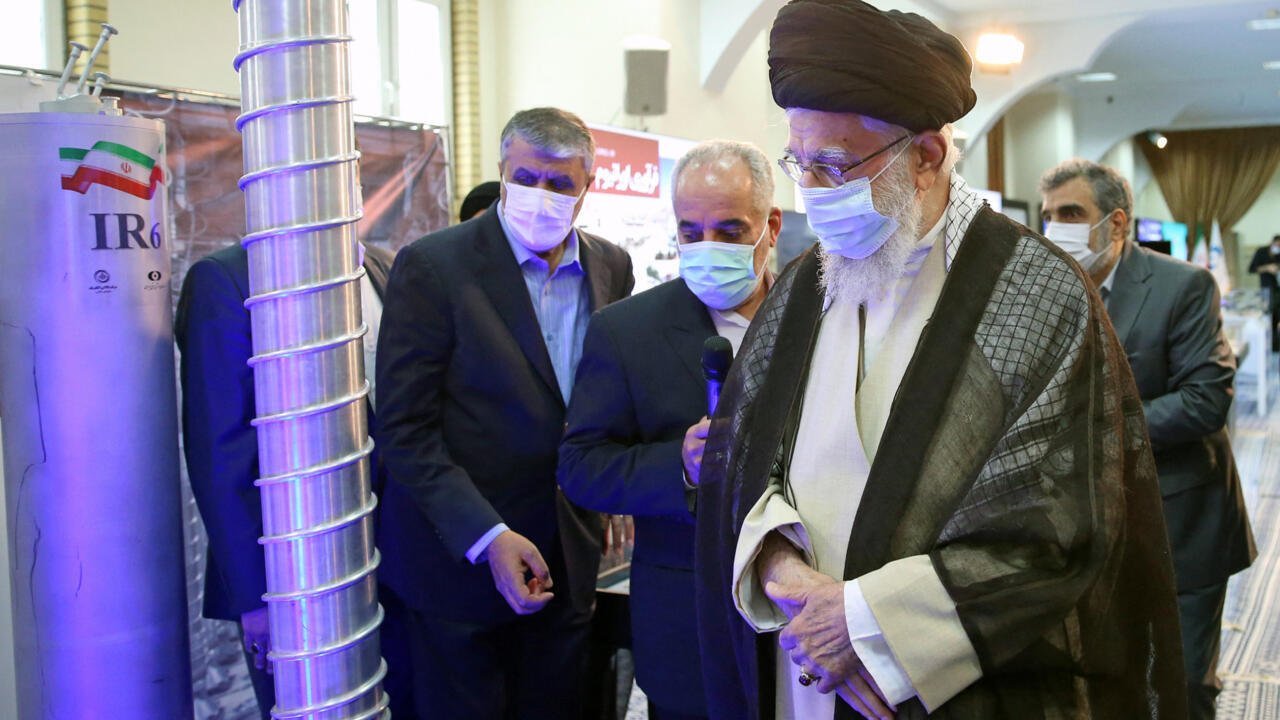
Iran’s nuclear chief, Mohammad Eslami, said on Monday that Tehran could consider placing limits on its uranium enrichment activities, but only if the United States lifts all sanctions imposed on the Islamic Republic.
Speaking on 9 February, the head of the Atomic Energy Organization of Iran (AEOI) stressed that any discussion about reducing enrichment levels is directly tied to sanctions relief. Iran currently enriches uranium up to 60 percent purity.
“This issue depends on whether they lift all sanctions in return,” Eslami said, referring to the potential dilution of the country’s existing stockpile. “The possibility of reducing the concentration of 60 percent enriched uranium, through the dilution process, is linked to whether or not all sanctions are lifted.”
READ ALSO: Iran defies U.S. pressure, vows to continue uranium enrichment even if It leads to war
However, Washington has reportedly pushed for far stricter terms, including a halt to enrichment altogether and the transfer of Iran’s enriched material to a third country.
Eslami dismissed suggestions that moving the stockpile abroad was on the table. “Such a thing was not discussed in the negotiations,” he said.
He confirmed that contacts between Tehran and the International Atomic Energy Agency (IAEA) are continuing, despite tensions between the two sides. Iranian authorities have accused the UN watchdog of failing to adequately respond to attacks on nuclear facilities that are under its safeguards.
“Our relations with the Agency are ongoing, but the Agency has an unfinished task regarding a military attack on facilities under safeguards supervision that it cannot escape from,” Eslami said, arguing that the body should not remain silent about incidents affecting sites it monitors.
READ ALSO: Iran, Beware the Fangs of January, the Scourge of February, the Ides of March (3), by Hassan Gimba
Tehran has long maintained that the IAEA did not properly condemn Israeli and U.S. strikes on its nuclear infrastructure last year. Iranian officials have also criticized a report released shortly before hostilities in mid-2025 that alleged non-compliance with nuclear commitments.
The latest remarks come only days after indirect talks between Iranian and U.S. representatives mediated by Oman in Muscat. Soon after the first round, Washington announced additional sanctions targeting Iran’s oil sector, further straining prospects for compromise.
The United States, alongside regional ally Israel, is seeking sweeping concessions that go beyond the nuclear file, including limits on Iran’s ballistic missile program and an end to support for allied groups across the region. Iranian leaders have repeatedly rejected those demands.
Foreign Minister Abbas Araghchi recently described the conditions as “impossible,” and on Sunday reiterated that uranium enrichment would continue regardless of threats.
READ ALSO: Iran, US resume nuclear diplomacy with talks scheduled in Oman
Iran had previously accepted restrictions under the 2015 nuclear agreement, but that pact collapsed after the U.S. withdrawal during President Donald Trump’s earlier term, when sanctions were reinstated.
Eslami’s comments coincided with a speech by Supreme Leader Ayatollah Ali Khamenei, who said the resolve of the Iranian people outweighs military pressure. Khamenei has warned that further escalation by Washington could ignite a broader regional conflict.
Negotiations are unfolding amid a significant U.S. military presence in the region and repeated warnings from Tehran that any attack would be met with retaliatory strikes against American assets and Israel.
READ ALSO: Iran formally allows women to ride motorcycles
Despite the sharp rhetoric, diplomats say channels of communication remain open, even as both sides hold firm to positions that appear far apart.
Follow the Neptune Prime channel on WhatsApp:
Do you have breaking news, interview request, opinion, suggestion, or want your event covered? Email us at neptuneprime2233@gmail.com