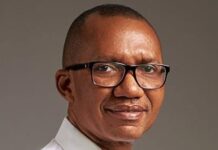
Nigeria in Crisis: Unite or falter, by Engr. Bello Gwarzo Abdullahi, FNSE
Nigeria is reeling once again. Within days, two communities—Maga in Kebbi State and Papiri in Niger State—were thrown into chaos as armed groups abducted schoolchildren with a boldness that has become disturbingly routine. The incidents blur into one another, leaving the country with a heavy sense of déjà vu and deep national fatigue. Nigerians are not just tired; many are quietly resigning themselves to a fate that should never be accepted.
Fear now stretches across the entire country. The question communities ask is no longer if an attack will happen, but when. Areas once considered safe, like Shanono and Rimin Gado in Kano, have already been targeted, raising fears that neighbouring communities bordering Katsina could be next. Villages are on edge, towns brace for strikes, and millions face a daily test of resilience.
Politically, the nation is distracted. Rather than confronting this emergency, the ruling party appears preoccupied with establishing a one-party state. Leadership is absent where it is needed most. Rivalries, shifting alliances, and power plays dominate the stage, while institutions that should anchor stability are weakened or sidelined. Trust in the political class is eroding as citizens question whether their leaders grasp the severity of the crisis.
READ ALSO: A Republic on Edge: The slow march toward a one-party Nigeria, by Engr. Bello Gwarzo Abdullahi, FNSE
Economic pressures compound the insecurity. Inflation steadily chips away at incomes. Food prices rise, transport costs climb, and salaries remain stagnant. Nigerians are not only struggling—they are feeling the ground shift beneath them.
Yet insecurity remains the nation’s most urgent challenge. Frequent attacks, organised criminal networks, and the ease with which vulnerable communities are targeted reveal a system that has lost critical ground. Parents now send their children to school with quiet fear. In Katsina, that fear prompted the government to close schools. Communities often rely on makeshift protections because official security rarely arrives in time.
None of this should be accepted as normal. Nigeria has too much at stake—its people, culture, influence, and future—to settle for complacency or political theatre.
READ ALSO: A Nation in Peril: Wike’s shadow over Abuja, by Engr. Bello Gwarzo Abdullahi, FNSE
What the country needs now is no more speeches or blame-shifting. It needs alignment and urgency. The government must overhaul its security strategy with seriousness, transparency, and coordination. Security agencies must be empowered to act decisively, not just respond. Citizens also play a role—rebuilding trust within communities and resisting division.
The stakes are clear: continue down the current path, and Nigeria risks losing far more than it already has. But if Nigerians choose unity—not as rhetoric, but as practical, collective action—there remains hope.
Nigeria has survived hard moments before. The question now is whether we can summon the discipline, courage, and shared purpose required to survive this one.
Written by Engr. Bello Gwarzo Abdullahi, FNSE.
Email: bgabdullahi@gmail.com
Follow the Neptune Prime channel on WhatsApp:
Do you have breaking news, interview request, opinion, suggestion, or want your event covered? Email us at neptuneprime2233@gmail.com