Hairstyles: A powerful expression of identity, fashion, and culture, by Gift Luckson
Hairstyles have long been more than just a way to groom or beautify the hair—they are powerful expressions of identity, culture, and fashion. Across different societies, the way people style their hair often reflects their beliefs, social status, and connection to tradition.
Symbolic Styles
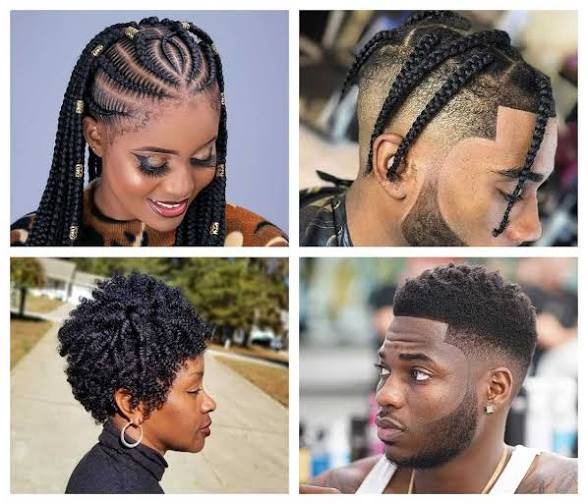
In many cultures, especially in Africa, hairstyles carry deep cultural significance. Styles such as braids, cornrows, and locs are not only aesthetically pleasing but also symbolic.
They can represent age, marital status, tribe, or even social rank. Traditionally, hairdressing was also a social activity, bringing people together and strengthening community bonds.
At the same time, hairstyles play a major role in shaping fashion trends. Modern fashion constantly evolves, and hair is a key part of personal style. Celebrities, influencers, and designers often introduce new hairstyles that quickly become popular.
For example, natural hairstyles and protective styles have gained global recognition, influencing both runway fashion and everyday looks.
New Ideas and Dynamic Creativity
The relationship between hairstyles and fashion is dynamic. While fashion introduces new ideas and creativity, traditions help preserve cultural identity. Today, many people blend both—wearing traditional styles with modern twists. This fusion allows individuals to stay fashionable while still honouring their roots.
However, hairstyles can also spark conversations about identity and acceptance. In some societies, certain traditional hairstyles have faced discrimination in schools or workplaces. This has led to growing awareness and movements advocating for the acceptance of natural and cultural hairstyles as part of one’s identity.
A Form of Self-Expression
Hairstyles are a powerful form of self-expression that connects fashion with tradition. They tell stories of heritage, reflect changing trends, and continue to influence how people present themselves in society.
The fashioning of hair remains an aspect of personal grooming, fashion, and cosmetics, with practical, cultural, and popular considerations influencing some hairstyles.
Hairstyles for men
During the 15th and 16th centuries, European men wore their hair cropped no longer than shoulder-length, with very fashionable men wearing bangs or fringes.
In Italy, it was common for men to dye their hair. In the early 17th century male hairstyles grew longer, with waves or curls being considered desirable in upper-class European men.
The male wig was supposedly pioneered by King Louis XIII of France (1601–1643) in 1624 when he had prematurely begun to go bald. This fashion was largely promoted by his son and successor Louis XIV of France (1638–1715), who contributed to its spread in European and European-influenced countries. The beard had been in a long decline and now disappeared among the upper classes.
Perukes or periwigs for men were introduced into the English-speaking world with other French styles when Charles II was restored to the throne in 1660, following a lengthy exile in France.
These wigs were shoulder-length or longer, imitating the long hair that had become fashionable among men since the 1620s. Their use soon became popular in the English court. The London diarist Samuel Pepys recorded the day in 1665 that a barber had shaved his head and that he tried on his new periwig for the first time, but in a year of plague he was uneasy about wearing it.