Kano Cleric sentenced to death petitions CJN, alleges obstruction of appeal
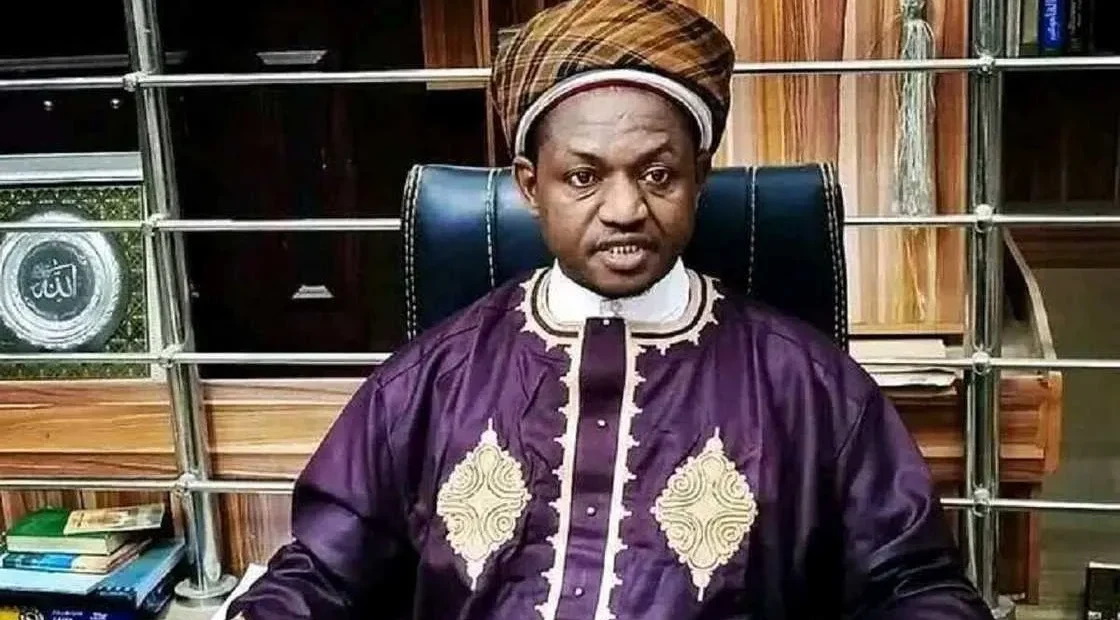
A Kano-based Islamic cleric, Abduljabbar Kabara, has petitioned the Chief Justice of Nigeria, Kudirat Kekere-Ekun, accusing judicial and government authorities of frustrating his attempt to appeal his death sentence.
In a 14-page complaint received by the Supreme Court on March 26, the cleric described his conviction as unjust and politically motivated, claiming it was intended to silence him.
Kabara was sentenced to death by hanging in December 2022 by a Kano Upper Sharia Court over remarks deemed blasphemous against Prophet Muhammad (PBUH).
In his petition, he alleged that despite filing a notice of appeal shortly after the judgment and submitting further motions in 2024, the process had been deliberately stalled. He also claimed that some appellate judges altered dates and misrepresented his filings to favour the Kano State Government.
The cleric argued that his trial violated Section 38(1) of the Nigerian Constitution, which guarantees freedom of thought, conscience, and religion.
Responding to the allegations, the Kano State Judiciary, through its spokesperson Baba Jibo, dismissed the claims, insisting that Kabara was given adequate opportunity to pursue his appeal within the legal timeframe.
According to the judiciary, the cleric’s legal team had regular access to him during his detention and ensured he was fully informed of all procedural steps, adding that filing decisions were made with his consent.
In a dramatic twist, Kabara also alleged that his legal troubles began after he refused to cooperate with influential figures who allegedly sought to position him as a revolutionary religious leader similar to Ruhollah Khomeini.
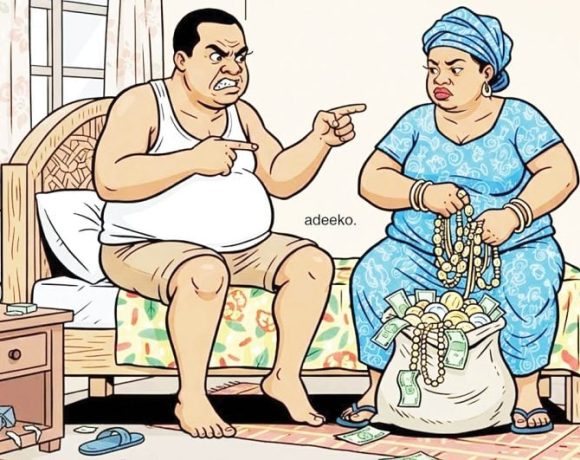
He claimed he was approached by Iranian envoys and Nigerian officials with offers worth up to ₦500 million and was once deceived into consuming a substance as part of the alleged plot.
Now held at the Medium Security Custodial Centre in Kuje, Abuja, the cleric urged the Chief Justice to intervene, maintaining his innocence and describing his conviction as a miscarriage of justice.
The prosecution, however, based its case on audio recordings of Kabara’s teachings, which the court ruled contained interpretations of Islamic texts considered offensive. Prior to his arrest, a state-backed debate held in July 2021 concluded that he failed to defend his positions, paving the way for his trial and eventual conviction.